Last Updated on June 1, 2024
Yes, you can eat jelly beans while pregnant, but it is important to consume them in moderation due to their high sugar content and the presence of artificial ingredients that may not be beneficial for you or your baby.
Pregnancy often brings about cravings for various foods, including sweets like jelly beans. While indulging in these sugary treats occasionally is generally safe, it is crucial to be aware of their nutritional content and potential risks. This article will explore whether it is safe to eat jelly beans during pregnancy, their nutritional value, associated risks, and safer alternatives.
What is Jelly Beans?
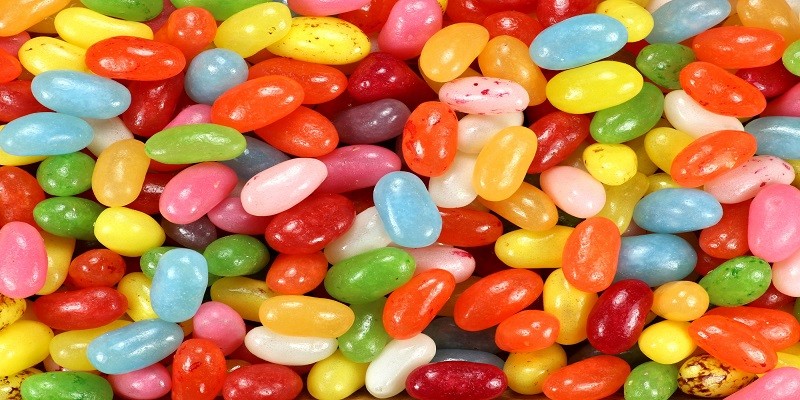
Jelly beans are small, bean-shaped candies with a hard outer shell and a soft, chewy interior. They are primarily made from sugar, corn syrup, and starch, and come in a variety of flavors and colors. These candies are popular during holidays like Easter and are enjoyed by people of all ages.
Nutritional Value of Jelly Beans
| Nutritional Value | Details |
|---|---|
| Calories | 4.1 per piece |
| Carbohydrates | 28.1g per 10 pieces |
| Sugars | 21g per 10 pieces |
| Fat | 0g |
| Protein | 0g |
| Sodium | 15mg per 10 pieces |
Risks of Eating Jelly Beans During Pregnancy
| Risks | Details |
|---|---|
| High Sugar Content | Can lead to gestational diabetes and excessive weight gain |
| Artificial Ingredients | May contain food dyes and preservatives that are not beneficial for fetal development |
| Lack of Nutrients | Provides empty calories without essential nutrients needed during pregnancy |
Safe Ways to Eating Jelly Beans During Pregnancy
To safely enjoy jelly beans during pregnancy, consume them in moderation and as part of a balanced diet. Pairing them with healthy snacks like nuts or fruits can help balance blood sugar levels. Always check the ingredient list for any harmful additives and opt for organic or natural versions when possible.
Alternatives to Jelly Beans During Pregnancy
| Alternatives | Precautions |
|---|---|
| Fresh Fruits | Ensure they are washed thoroughly to remove pesticides |
| Dark Chocolate | Choose varieties with at least 70% cocoa to reduce sugar intake |
| Yogurt with Honey | Opt for plain yogurt to avoid added sugars |
Experts Tips
- Moderation is Key: Limit your intake of jelly beans to avoid excessive sugar consumption.
- Check Ingredients: Opt for organic jelly beans to avoid artificial additives.
- Balance Your Diet: Pair sweets with protein or healthy fats to stabilize blood sugar levels.
FAQs
Can I eat jelly beans if I have gestational diabetes?
It is best to avoid high-sugar foods like jelly beans if you have gestational diabetes. Consult your healthcare provider for personalized advice.
Are organic jelly beans a better option during pregnancy?
Yes, organic jelly beans are a better option as they typically contain fewer artificial ingredients and preservatives.
How many jelly beans can I safely eat while pregnant?
It is recommended to limit your intake to a small handful (about 10 pieces) to avoid excessive sugar consumption.
Can jelly beans cause any allergic reactions during pregnancy?
While rare, some individuals may be allergic to certain food dyes or ingredients in jelly beans. Always check the ingredient list and consult your doctor if you have concerns.
What are some healthy alternatives to jelly beans during pregnancy?
Healthy alternatives include fresh fruits, dark chocolate, and yogurt with honey, which provide essential nutrients without excessive sugar.
Conclusion
While it is safe to eat jelly beans during pregnancy, moderation is crucial due to their high sugar content and potential artificial ingredients. Opt for healthier alternatives when possible and always consult your healthcare provider for personalized dietary advice. Enjoying jelly beans occasionally as part of a balanced diet can help satisfy cravings without compromising your health or that of your baby.