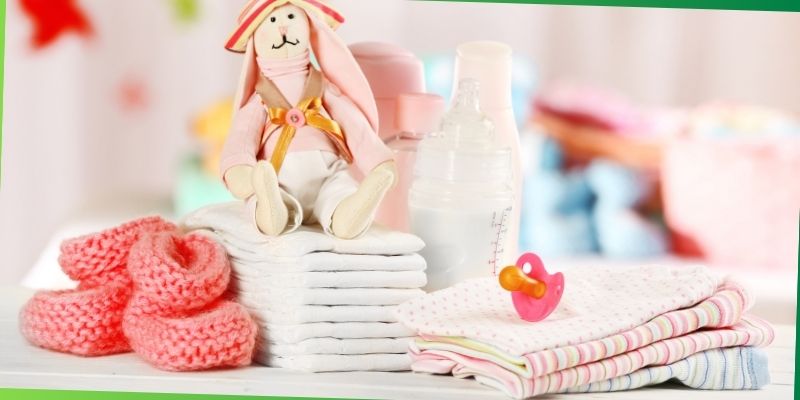
Welcoming a new baby is one of life’s most exciting moments, but it can also feel overwhelming. You want to make sure your home is safe, comfortable, and ready for your little one’s arrival.
Getting everything set up now can save you stress later and help you focus on what really matters—bonding with your baby. In this guide, you’ll discover simple, practical steps to prepare your home so it’s a calm and cozy place for your new family member.
Keep reading, and you’ll be ready to welcome your baby with confidence and peace of mind.
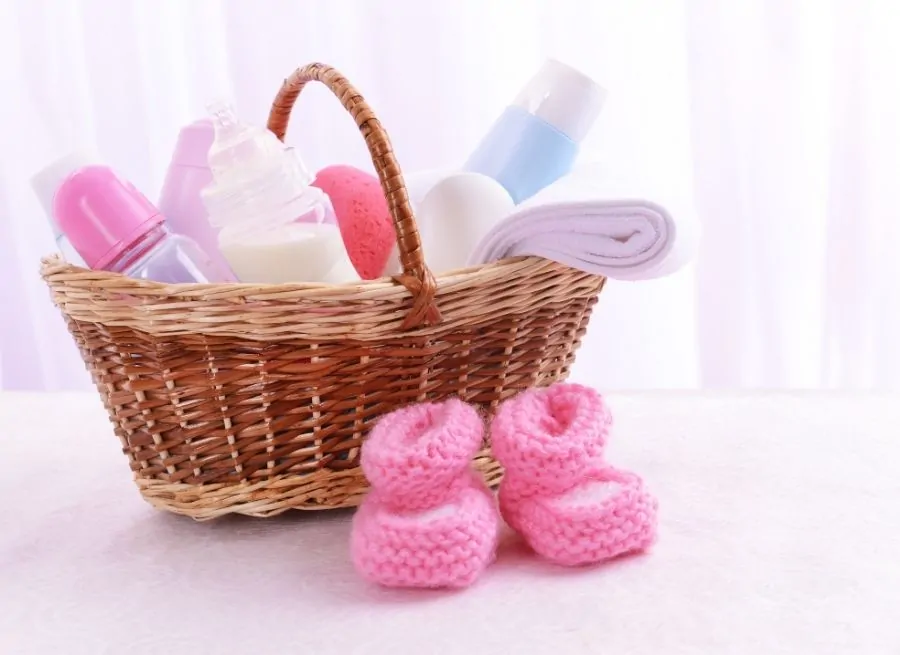
Baby-proofing Essentials
Preparing your home for a new baby means making it safe. Baby-proofing is a key step. It protects your little one from common dangers around the house.
Focus on places where your baby will spend time. Take steps to prevent accidents. Safety starts with small changes and careful checks.
Securing Furniture And Appliances
Furniture can tip over if a baby pulls on it. Use brackets or straps to secure heavy items to walls. Keep appliances closed and locked. This stops babies from opening doors or drawers.
Check for sharp corners on tables and shelves. Add corner guards to soften edges. Make sure all furniture is stable and won’t wobble.
Installing Safety Gates
Safety gates help keep babies out of dangerous areas. Place gates at stairways and doorways. Choose gates that fit well and are hard to open for toddlers.
Install gates according to the instructions. Regularly check that they stay firmly in place. Gates create safe zones for your baby to explore.
Covering Electrical Outlets
Babies often put fingers and objects in outlets. Use outlet covers or plates to block access. These covers are easy to install and remove for adults.
Check all outlets in baby’s reach. Replace any damaged covers immediately. This simple step reduces the risk of electric shock.
Setting Up The Nursery
Setting up the nursery creates a safe and cozy space for your baby. It helps parents feel ready and calm. Planning the room carefully keeps everything organized and easy to use. Focus on comfort, safety, and convenience.
Choosing The Right Crib And Mattress
Pick a crib that meets safety standards. Avoid cribs with drop sides or loose parts. Choose a sturdy crib with adjustable mattress heights. A firm mattress fits snugly inside the crib. It supports your baby’s growing body well. Use a waterproof cover to protect the mattress. This keeps the sleeping area clean and dry.
Organizing Baby Clothes And Supplies
Sort clothes by size and type. Use bins or drawers to keep things tidy. Place frequently used items within easy reach. Label storage containers for quick access. Keep diapers, wipes, and creams in one spot. This saves time during diaper changes. Rotate clothes as your baby grows to avoid clutter.
Creating A Comfortable Sleep Environment
Keep the nursery temperature between 68 and 72 degrees. Use soft, breathable fabrics for bedding. Avoid pillows, stuffed animals, and heavy blankets in the crib. Use blackout curtains to block light during naps. A white noise machine can help soothe your baby. Soft lighting creates a calm atmosphere for bedtime.
Stocking Up On Baby Gear
Getting ready for a new baby means gathering all the right gear. This helps you feel calm and ready. Having everything on hand makes daily care easier. It saves time and stress during those first weeks. Focus on key items that your baby needs every day.
Feeding Supplies And Accessories
Babies need special feeding supplies. Bottles, nipples, and formula are basics for bottle feeding. Breastfeeding mothers need nursing bras and pads. A breast pump can help with milk storage. Burp cloths keep clothes clean after feeding. Small bottle brushes make cleaning easier. Choose supplies that fit your feeding plan.
Diapering Essentials
Diapers are a must-have for every baby. Stock up on the right size diapers and wipes. A changing pad keeps your baby safe and clean. Diaper rash cream helps prevent irritation. A small trash bin with a lid controls odors. Keep extras in easy-to-reach places. This keeps diaper changes quick and smooth.
Bath Time Necessities
Bath time needs special items too. A baby bathtub makes bathing safe and easy. Gentle baby soap and shampoo protect delicate skin. Soft washcloths help clean without hurting. A hooded towel keeps your baby warm after baths. Bath toys can make the time fun. Organize these items near the bath area.
Preparing For Nighttime
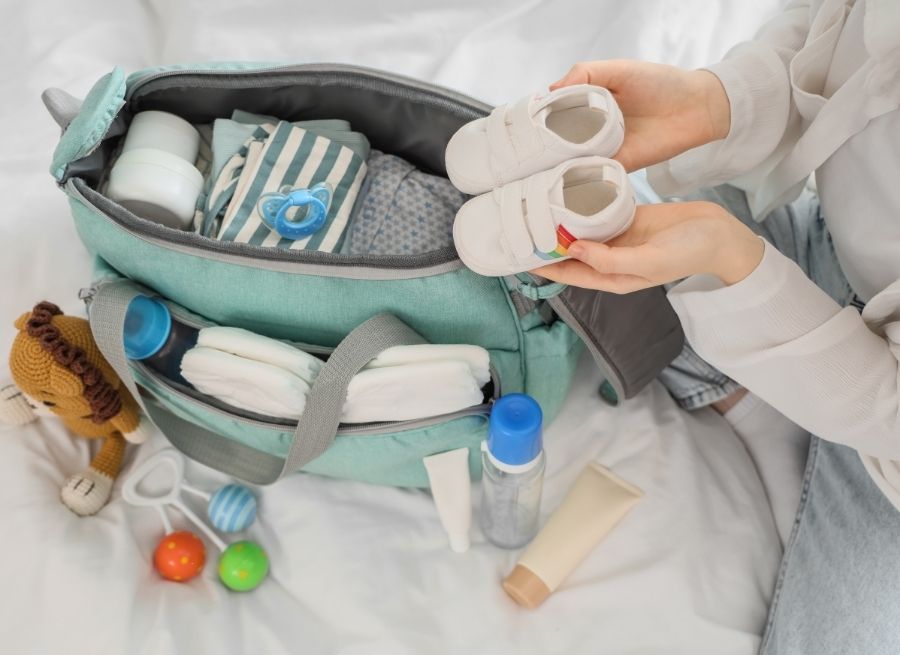
Preparing for nighttime with a new baby needs calm and simple steps. Nights can be long and tiring. Setting up your space and habits helps both you and your baby sleep better. Comfort and ease are key for late-night care. Small changes make a big difference during those quiet hours.
Setting Up A Nightlight
A soft nightlight keeps the room dim but visible. Bright lights can wake your baby fully. Choose a warm-colored light with low brightness. Place it where you can see without disturbing sleep. This helps you check on your baby easily at night.
Creating A Soothing Routine
A calm routine signals sleep time to your baby. Gentle rocking, soft singing, or quiet reading works well. Keep noise and light low to avoid excitement. Do the same steps each night to build comfort and trust. A soothing routine helps your baby relax and fall asleep faster.
Arranging A Changing Station
Set up a changing station near your baby’s sleeping area. Keep diapers, wipes, and clothes within arm’s reach. This saves time and keeps things calm at night. A clean and organized space lets you change your baby quickly and quietly. Prepare extra blankets and creams to handle any surprises.
Maintaining Cleanliness And Hygiene
Keeping your home clean and hygienic is vital when preparing for a new baby. Babies have delicate immune systems. They need a safe, germ-free environment to stay healthy. Clean surroundings reduce the risk of infections and allergies. This helps your baby grow strong and happy.
Focus on areas your baby will touch often. Toys, clothes, and floors must be spotless. Regular cleaning creates a fresh and safe space. It also gives peace of mind to parents and caregivers.
Sanitizing Baby Items
Sanitize baby bottles, pacifiers, and toys daily. Use warm water and baby-safe soap. Rinse items thoroughly to remove all soap. Boil bottles and nipples for five minutes to kill germs. For plastic toys, wipe them with a mild disinfectant. Avoid harsh chemicals that can harm your baby.
Managing Laundry Efficiently
Wash baby clothes separately from adult laundry. Use gentle, fragrance-free detergent. Hot water helps kill bacteria on fabrics. Dry clothes completely before storing or using them. Change blankets and bedding often. Keep laundry baskets clean and dry to avoid mold.
Keeping Floors And Surfaces Clean
Vacuum or sweep floors daily to remove dust and dirt. Mop hard floors with a mild disinfectant safe for babies. Wipe down surfaces such as tables, counters, and changing areas. Use soft cloths and gentle cleaners. Avoid using strong chemicals or sprays near your baby’s space.
Organizing Emergency And Health Supplies
Preparing your home for a new baby means setting up a safe and healthy environment. Organizing emergency and health supplies is a key part. It helps you act fast during small injuries or sudden illnesses. A well-prepared home brings peace of mind for parents and caregivers.
Keep your supplies easy to find and well-stocked. Check them often to replace expired or used items. Keep everything out of reach of children but accessible for adults.
First Aid Kit Essentials
A good first aid kit is a must. Include adhesive bandages in various sizes, sterile gauze pads, and adhesive tape. Add baby-safe antiseptic wipes and antibiotic ointment. Keep a digital thermometer and a pair of small scissors. Include tweezers for splinters and a soft-bristle brush for cleaning wounds. Also, pack disposable gloves to keep things clean.
Stocking Baby Medications
Choose medications carefully. Have infant pain relievers like acetaminophen or ibuprofen. Store saline nasal drops and a bulb syringe to clear baby’s nose. Keep teething gels or pain relief medication recommended by your pediatrician. Avoid medicines with aspirin or adult doses. Always check expiration dates and keep medicines in original bottles.
Emergency Contact Information
Write down emergency phone numbers clearly. Include your pediatrician, poison control, and local emergency services. Post the list near your phone or in a visible spot. Teach older children how to dial emergency numbers. Keep a copy in your wallet or phone for quick access outside the home.
Preparing Other Family Members
Preparing your home for a new baby means getting everyone ready. Family members play a big role in welcoming the baby. Their support and understanding help the whole family adjust smoothly. This section covers ways to include siblings, teach caregivers, and set clear routines for all.
Involving Siblings In Preparation
Siblings need to feel part of the change. Let them help set up the baby’s room. Show them how to gently hold the baby. Give them small tasks to do. This builds excitement and reduces jealousy. Talk about how the baby will need lots of care. Encourage questions and listen to their feelings.
Educating Caregivers
Caregivers must know the baby’s needs well. Share feeding schedules and sleep times clearly. Teach safe ways to hold and change the baby. Discuss signs of illness and when to call for help. Make sure they know house rules about visitors and hygiene. Good communication keeps everyone confident and calm.
Setting Expectations And Routines
Clear routines help the family stay organized. Set regular times for meals, naps, and play. Explain changes in parents’ availability to siblings. Prepare family members for noisy nights and quiet days. Keep rules simple and consistent for all. Predictable routines create a peaceful home environment.
Frequently Asked Questions
How Do I Baby-proof My Home Effectively?
Start by securing furniture and covering sharp edges. Install safety gates and outlet covers. Remove choking hazards and lock cabinets. Keep cords and small objects out of reach. Regularly inspect the environment to maintain safety for your baby.
What Essential Baby Items Should I Prepare First?
Focus on a crib, changing station, and car seat. Include diapers, wipes, and baby clothes. Have feeding supplies ready, such as bottles or breastfeeding accessories. Stock up on blankets and a baby monitor for comfort and safety.
When Should I Start Preparing The Nursery?
Begin preparing the nursery around the second trimester. This timing allows you to set up and organize without stress. It also gives time to address any unexpected needs before the baby arrives.
How Can I Ensure A Safe Sleeping Environment?
Use a firm mattress with a fitted sheet only. Keep the crib free of toys, pillows, and blankets. Place the baby on their back to sleep. Maintain a comfortable room temperature to reduce SIDS risk.
Conclusion
Preparing your home for a new baby helps create a safe, calm space. Start early to avoid last-minute stress. Organize baby supplies in easy-to-reach places. Keep the environment clean and free of hazards. Soft lighting and quiet areas can soothe your little one.
Remember, small changes make a big difference. A well-prepared home supports both baby and parents. Enjoy these special moments as you welcome your new family member.