

Last Updated on September 27, 2026
Pregnancy is an amazing time, but it can also bring many changes and challenges for your body and mind. Taking care of yourself now isn’t just important—it’s essential for your health and your baby’s well-being.
You might wonder what simple steps you can take to feel your best every day. This article will guide you through easy and effective pregnancy self-care tips designed just for you. Keep reading to discover how small habits can make a big difference in your pregnancy journey.

Nutrition Essentials
Proper nutrition is key during pregnancy. It supports your baby’s growth and keeps you healthy. Eating the right foods helps your body get vitamins and minerals it needs. This section covers essential nutrition tips for expecting mothers.
Foods To Embrace
Choose foods rich in folate, like leafy greens and beans. These support your baby’s brain development. Eat plenty of fruits and vegetables for vitamins and fiber. Whole grains provide energy and keep digestion smooth. Include lean proteins such as chicken, fish, and tofu. Dairy products offer calcium for strong bones. Small, frequent meals help maintain steady blood sugar.
Foods To Avoid
Stay away from raw or undercooked seafood and eggs. These may contain harmful bacteria. Limit caffeine to reduce risks to your baby. Avoid unpasteurized cheeses and milk to prevent infection. Skip processed foods high in sugar and salt. Steer clear of large fish with high mercury like swordfish. These can harm your baby’s nervous system.
Hydration Tips
Drink plenty of water throughout the day. Aim for eight to ten glasses daily. Water supports digestion and helps prevent swelling. Carry a water bottle to remind yourself to drink. Avoid sugary drinks that add empty calories. Herbal teas can be soothing but check they are pregnancy safe. Proper hydration boosts energy and aids nutrient absorption.
Exercise And Movement
Exercise and movement play an important role during pregnancy. Staying active helps support a healthy body and mind. It can ease common pregnancy discomforts and prepare the body for childbirth. Gentle exercises are best for most expecting mothers. Always listen to your body and avoid pushing too hard.
Safe Workouts
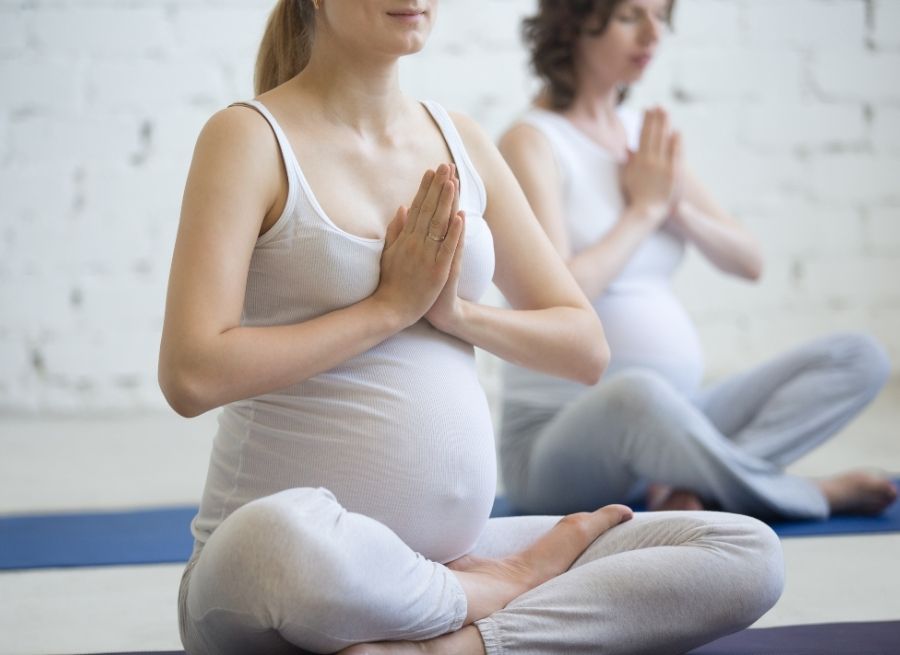
Walking is one of the safest workouts during pregnancy. Swimming and prenatal yoga also work well. These activities improve strength without stressing joints. Avoid heavy lifting and high-impact exercises. Always choose low-risk activities that keep you comfortable. Talk to your healthcare provider before starting any new exercise plan.
Benefits Of Staying Active
Regular movement boosts energy and reduces fatigue. It helps control weight gain in a healthy way. Exercise can improve sleep quality and mood. Staying active also lowers the risk of pregnancy complications. Movement supports better posture and reduces back pain. It helps keep muscles strong for labor and delivery.
When To Rest
Rest is as important as exercise during pregnancy. Stop exercising if you feel pain, dizziness, or shortness of breath. Take breaks if you feel tired or overheated. Rest if your healthcare provider advises it. Balancing activity with rest keeps you and your baby safe and healthy.
Mental Well-being
Mental well-being plays a key role during pregnancy. Emotional health affects both mother and baby. Staying calm and positive helps the body adjust to changes. It also supports healthy development for the child. Expecting mothers need simple ways to care for their minds daily.
Stress Management
Stress can harm pregnancy progress. It raises blood pressure and causes tension. Finding ways to reduce stress is important. Try gentle exercises like walking or stretching. Rest often and avoid heavy workloads. Taking breaks helps clear the mind. Also, keep a journal to express thoughts and feelings. Small steps can make a big difference.
Mindfulness Practices
Mindfulness means paying full attention to the present. It lowers anxiety and improves mood. Simple breathing exercises help focus and calm nerves. Sit quietly and breathe slowly for five minutes. Notice your body and feelings without judgment. This practice builds patience and reduces worry. Doing this daily supports mental clarity and peace.
Seeking Support
Talking to others eases feelings of loneliness. Friends, family, or support groups offer comfort and advice. Sharing your experience builds confidence and trust. Professional counselors or therapists can provide extra help. Don’t hesitate to ask for help when needed. A strong support network boosts emotional strength during pregnancy.
Sleep And Rest
Sleep and rest are very important during pregnancy. Your body works hard to grow a new life. Good sleep helps your baby develop and keeps you healthy. Many women find sleep changes during pregnancy. Hormones, body size, and stress can affect rest. Finding ways to rest well makes pregnancy easier.
Creating A Sleep Routine
Go to bed and wake up at the same time every day. A steady routine helps your body know when to sleep. Avoid screens, bright lights, and loud noises before bed. Try calming activities like reading or gentle stretching. Keep your bedroom cool and dark for better rest.
Comfortable Sleeping Positions
Sleep on your side, especially the left side. This position improves blood flow to your baby. Use pillows to support your belly, back, and knees. Avoid sleeping on your back or stomach. They can cause discomfort and reduce blood flow. Find the position that feels best and keeps you cozy.
Dealing With Insomnia
Insomnia can happen during pregnancy. Try relaxation techniques like deep breathing or meditation. Avoid caffeine late in the day. Keep naps short and early in the afternoon. If sleep problems continue, talk to your doctor. They can offer safe solutions for better rest.
Prenatal Care
Prenatal care is key for a healthy pregnancy. It helps keep both mother and baby safe. Regular visits to the doctor track the baby’s growth. They also spot any issues early. This care guides mothers on good habits and choices. It builds confidence and reduces stress during pregnancy.
Regular Checkups
Seeing the doctor often is essential. These visits check the baby’s heartbeat and size. Doctors measure the mother’s weight and blood pressure. They ask about any symptoms or concerns. Regular checkups help find problems early. This allows timely care and treatment.
Important Screenings
Screenings test for conditions that can affect pregnancy. Blood tests check for anemia and infections. Ultrasounds show the baby’s development inside the womb. Some tests look for genetic conditions. These screenings guide doctors and mothers on next steps. They ensure the baby grows well and safely.
Vaccinations
Vaccines protect mother and baby from serious diseases. Flu shots are safe and recommended during pregnancy. Whooping cough vaccine helps protect newborns after birth. Vaccinations reduce risks of complications. Mothers should discuss vaccines with their healthcare provider. Staying updated on vaccines keeps everyone safer.
Avoiding Harmful Substances
Pregnancy is a delicate time. Protecting your baby starts with avoiding harmful substances. Some things can hurt your baby’s growth and health. Knowing what to avoid helps keep both of you safe.
Alcohol And Tobacco
Alcohol can cause serious problems for your baby. It may lead to birth defects and learning difficulties. No amount of alcohol is safe during pregnancy. Tobacco smoke harms your baby’s lungs and growth. Smoking increases risks of premature birth and low weight. Avoid all alcohol and tobacco to protect your baby.
Medications To Watch
Some medicines can harm your baby. Always check with your doctor before taking any medicine. This includes prescription, over-the-counter, and herbal products. Never stop prescribed medicine without advice. Your doctor will guide you on safe options. Keep a list of medicines and share it at every appointment.
Environmental Risks
Exposure to chemicals and toxins can be harmful. Avoid strong cleaning products and pesticides. Stay away from paint fumes and radiation. Limit contact with animals that carry diseases. Wash hands often and keep your home well-ventilated. Protecting yourself from these risks helps your baby grow healthy.
Skin And Body Care
Pregnancy changes your skin and body in many ways. Hormones rise, causing dryness, itchiness, and sensitivity. Your body stretches to grow your baby. Taking care of your skin and body helps you feel better and stay comfortable during this time.
Managing Stretch Marks
Stretch marks often appear on the belly, breasts, and thighs. They happen because your skin stretches quickly. Using creams or oils can keep your skin soft. Moisturized skin is less likely to crack or itch. Gentle massage improves blood flow and helps skin stay elastic. Remember, stretch marks are normal and fade over time.
Safe Skincare Products
Choose skincare products without harsh chemicals. Avoid anything with retinoids, salicylic acid, or strong fragrances. Look for natural ingredients like aloe vera and shea butter. These soothe sensitive skin and reduce irritation. Always do a patch test before using new products. Cleanse your face with mild soap to avoid dryness.
Dealing With Common Issues
Many women face acne, dryness, or dark spots during pregnancy. Acne can be controlled with gentle cleansers and oil-free moisturizers. Dry skin needs regular hydration with creams or oils. Dark spots may appear on the face or body. Wearing sunscreen daily helps prevent these spots from getting worse. Keeping skin clean and hydrated eases most problems.
Preparing For Baby
Preparing for your baby is an exciting and important part of pregnancy. It helps you feel ready and calm. This time lets you think about what you need before your little one arrives. Taking small steps now can make a big difference later.
Birth Plan Basics
A birth plan explains your wishes for labor and delivery. It helps doctors and nurses understand your choices. Write down where you want to give birth. Note if you want pain relief or natural methods. Mention who you want with you during labor. Keep it clear and simple. Share it with your healthcare team early.
Packing Your Hospital Bag
Pack your hospital bag by the seventh month. Include comfy clothes and slippers. Don’t forget your ID and insurance cards. Bring toiletries and items to relax, like a book or music. Pack clothes for the baby, too. Think about snacks and phone chargers. Keep the bag ready to grab quickly.
Setting Up The Nursery
Create a safe and calm space for your baby. Choose a crib that meets safety standards. Make sure the room is warm and quiet. Organize diapers, clothes, and blankets within easy reach. Add soft lighting for night feedings. Keep the area clean and clutter-free. This helps you and your baby feel comfortable.
Frequently Asked Questions
What Are Essential Self-care Tips During Pregnancy?
Essential self-care tips include eating balanced meals, staying hydrated, getting regular exercise, and attending prenatal checkups. Rest is crucial, and managing stress helps ensure both mother and baby’s health throughout pregnancy.
How Can Expecting Mothers Manage Pregnancy Fatigue?
To manage fatigue, get plenty of sleep and take short naps if needed. Eating small, frequent meals and staying hydrated also boosts energy levels safely.
What Foods Should Pregnant Women Avoid For Self-care?
Pregnant women should avoid raw fish, unpasteurized dairy, and deli meats to prevent infections. Limiting caffeine and steering clear of alcohol are also important for fetal health.
How Does Prenatal Exercise Benefit Expecting Mothers?
Prenatal exercise improves mood, reduces back pain, and boosts stamina. It also helps prepare the body for labor and supports a healthy weight gain during pregnancy.
Conclusion
Taking care of yourself during pregnancy matters a lot. Eat healthy foods and rest often. Stay active with gentle exercises like walking. Drink plenty of water every day. Listen to your body’s needs and feelings. Talk to your doctor if anything feels wrong.
Small steps keep you and your baby safe. Enjoy this special time with calm and care. Your well-being helps your baby grow strong. Keep these simple tips close to your heart. Pregnancy is a journey—treat yourself kindly along the way.