

Last Updated on September 27, 2026
Pregnancy is an exciting time, especially if this is your first experience as a mom. You want to do everything right to keep yourself and your baby healthy.
But with so much advice out there, it can feel overwhelming to know where to start. What if you had simple, proven habits that could make a big difference in your pregnancy? You’ll discover easy steps you can take every day to support your body and prepare for a healthy baby.
Keep reading—your journey to a strong, happy pregnancy begins here.
Nutrition Tips
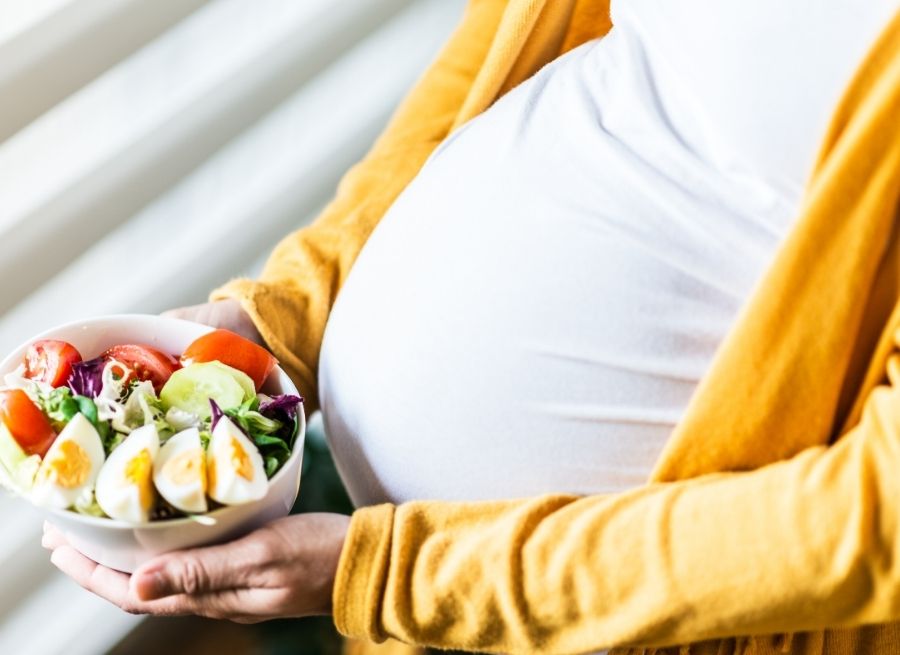
Good nutrition is key for a healthy pregnancy. It supports your baby’s growth and keeps you strong. Eating the right foods helps reduce pregnancy risks and boosts your energy.
Understanding what nutrients you need and how to plan meals makes a big difference. Avoiding certain foods protects you and your baby from harm. Let’s explore important nutrition tips for first-time moms.
Essential Vitamins And Minerals
Folic acid helps prevent birth defects. Aim for 400-600 micrograms daily.
Iron supports your blood supply and prevents anemia. Include lean meats and leafy greens.
Calcium builds strong bones and teeth for your baby. Drink milk or eat yogurt.
Vitamin D helps your body absorb calcium. Spend time outside or take supplements.
Omega-3 fatty acids aid brain development. Eat fish like salmon two times a week.
Balanced Meal Planning
Eat a mix of fruits, vegetables, proteins, and grains every day. Variety gives you all needed nutrients.
Choose whole grains over refined ones for fiber and energy.
Include protein sources like beans, nuts, eggs, and lean meats.
Snack smart with nuts, fruits, or yogurt to keep energy steady.
Drink plenty of water to stay hydrated and support digestion.
Foods To Avoid
Raw or undercooked seafood and meats can carry harmful bacteria.
Unpasteurized cheeses and dairy may cause infections. Stick to pasteurized products.
Limit caffeine to under 200 mg daily, about one 12-ounce coffee.
Avoid alcohol as it can harm your baby’s development.
Skip high-mercury fish like shark, swordfish, and king mackerel to protect your baby’s brain.
Exercise And Fitness
Exercise and fitness play a key role in a healthy pregnancy. Staying active helps reduce stress and builds strength. It also prepares the body for labor and delivery. First-time moms should choose safe and gentle workouts. These activities support both mother and baby.
Safe Workouts During Pregnancy
Walking is a simple and safe way to stay active. Swimming offers a full-body workout without strain. Low-impact aerobics can keep the heart healthy. Always avoid exercises that risk falling or heavy lifting. Listen to your body and rest when needed.
Benefits Of Prenatal Yoga
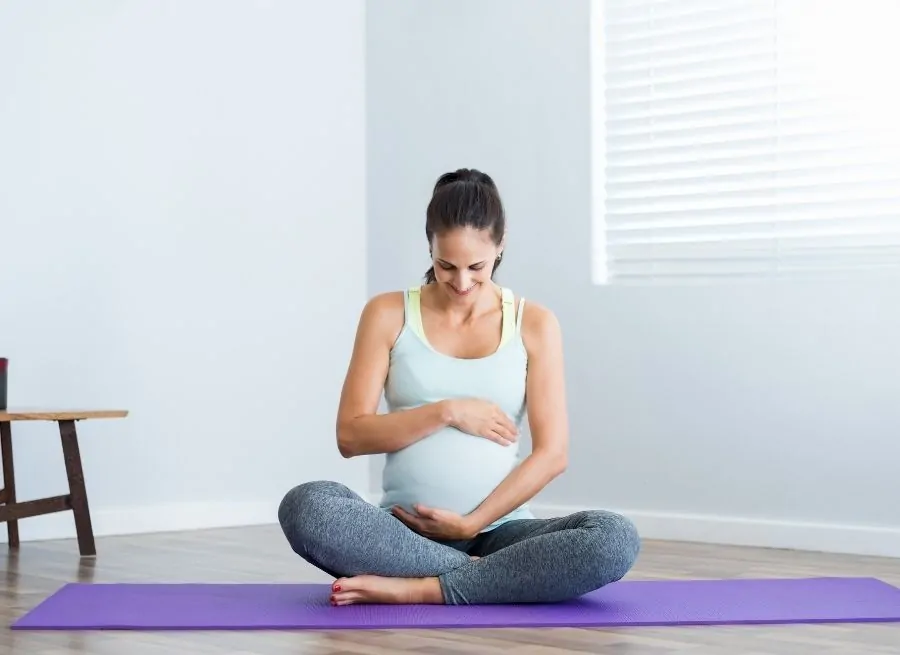
Prenatal yoga improves flexibility and reduces tension. It teaches breathing techniques helpful during labor. Gentle stretches ease common pregnancy aches. Yoga also promotes better sleep and calmness. Many classes focus on safe poses for pregnant women.
Avoiding Overexertion
Overexertion can harm both mother and baby. Keep workouts moderate and avoid high intensity. Drink plenty of water before, during, and after exercise. Stop immediately if feeling dizzy or short of breath. Rest is just as important as activity.
Prenatal Care
Prenatal care is important for a healthy pregnancy. It helps keep both mom and baby safe. Regular visits to the doctor check the baby’s growth and the mom’s health. Early care can find problems before they get worse. It gives moms advice on food, exercise, and what to avoid. This care also prepares moms for labor and delivery. Understanding prenatal care helps moms feel more confident and ready.
Scheduling Regular Checkups
Regular checkups track your pregnancy progress. Doctors check your blood pressure and weight. They listen to the baby’s heartbeat. These visits help spot any health issues early. Appointments usually start monthly, then more often later. Keep all your appointments for the best care.
Important Screening Tests
Screening tests check the baby’s health and growth. Tests can find genetic conditions or infections. Blood tests and ultrasounds are common screenings. Some tests check for diabetes or anemia in moms. Follow your doctor’s advice about which tests to take. These tests help prepare you for a healthy baby.
Tracking Baby’s Development
Doctors use ultrasounds to watch your baby grow. They check the baby’s size and movements. You learn if the baby is healthy and on track. You may feel the baby kick after a few months. Tracking development helps moms connect with their baby. It also helps doctors plan the best care.
Mental Wellbeing
Mental wellbeing plays a big role in a healthy pregnancy. It affects both mother and baby. Feeling calm and happy can make the pregnancy journey smoother. Stress and worry can cause problems for the body and mind. Taking care of mental health helps build strength and peace.
Managing Stress And Anxiety
Stress is common during pregnancy. It can come from many sources. Finding ways to reduce stress is important. Try deep breathing or gentle exercise. Avoid too much caffeine and rest often. Talking about worries can lighten the load. Small steps can help keep anxiety low.
Practicing Mindfulness
Mindfulness means paying attention to the present moment. It helps stop racing thoughts and fear. Simple mindfulness exercises include focusing on breathing or sounds. Spending a few minutes daily can calm the mind. Mindfulness can improve sleep and mood. It teaches patience and self-kindness.
Seeking Support Networks
Support from others makes pregnancy easier. Family, friends, or groups can listen and share advice. Joining a prenatal class or online forum connects you to others. Feeling understood reduces loneliness and stress. Don’t hesitate to ask for help or talk openly. Strong support builds confidence and joy.
Lifestyle Adjustments
Adjusting your lifestyle is key for a healthy pregnancy. Small daily changes can support your baby’s growth and keep you feeling well. Focus on habits that protect your body and prepare you for motherhood. These changes help you stay strong through each trimester.
Avoiding Harmful Substances
Stay away from alcohol, tobacco, and drugs. These substances can harm your baby’s development. Even certain over-the-counter medicines may not be safe. Always check with your doctor before taking any new medication. Choose clean foods and avoid exposure to harmful chemicals at home and work.
Sleep Hygiene Tips
Good sleep supports your health and your baby’s growth. Try to go to bed and wake up at the same times daily. Keep your bedroom cool, dark, and quiet. Avoid screens and caffeine before bedtime. If you have trouble sleeping, try gentle stretches or deep breathing to relax.
Preparing For Maternity Leave
Plan your time off early to reduce stress. Talk with your employer about your leave dates and benefits. Organize your tasks at work to finish important projects before your leave. Set clear boundaries to protect your rest time. This preparation helps you focus on your baby and recovery.
Preparing For Labor
Preparing for labor helps reduce stress and build confidence. Knowing what to expect makes the experience smoother. Planning ahead lets you focus on your health and your baby.
Start by understanding your options and making choices that fit your needs. This preparation supports a calm and positive birth experience.
Birth Plan Basics
A birth plan explains your wishes for labor and delivery. It covers pain relief, positions, and who will be present. Share it with your healthcare team early on. Keep it simple and flexible. Things might change during labor, so stay open to new plans.
Packing A Hospital Bag
Pack your bag about a month before your due date. Include comfortable clothes, toiletries, and important documents. Don’t forget items for the baby, like clothes and blankets. Bring snacks and something to pass time. Pack with easy-to-carry bags to keep things organized.
Choosing A Birth Partner
Pick someone who supports and calms you. This person should respect your birth wishes. They can be a family member, friend, or doula. Their role is to help and encourage you. Talk about your expectations before labor begins.
Frequently Asked Questions
What Are The Best Foods For A Healthy Pregnancy?
Eating fruits, vegetables, whole grains, and lean proteins supports a healthy pregnancy. Avoid processed foods and limit caffeine. Include folic acid-rich foods like spinach and beans to prevent birth defects. Stay hydrated and maintain balanced meals to nourish you and your baby effectively.
How Much Exercise Is Safe During Pregnancy?
Moderate exercise, like walking or prenatal yoga, is safe for most pregnant women. Aim for 150 minutes per week, but listen to your body. Avoid high-impact or risky activities. Always consult your healthcare provider before starting any new exercise routine during pregnancy.
What Prenatal Vitamins Should First-time Moms Take?
Prenatal vitamins with folic acid, iron, calcium, and DHA support baby’s growth and prevent deficiencies. Take them daily as recommended by your doctor. Choose a brand that meets FDA standards and suits your dietary needs to ensure you and your baby get essential nutrients.
How Can I Manage Morning Sickness Effectively?
Eat small, frequent meals and avoid strong smells or spicy foods. Stay hydrated and try ginger or vitamin B6 supplements, after consulting your doctor. Rest when needed and avoid empty stomachs. These tips help reduce nausea and keep you comfortable during early pregnancy.
Conclusion
Healthy habits help both mom and baby stay strong and safe. Eating well, resting often, and staying active make a big difference. Regular checkups catch problems early. Avoiding bad habits protects your health. Trust your body and ask for help when needed.
Every small step counts on this new journey. Enjoy the process and take care of yourself daily. Your baby depends on you, so keep these habits simple and steady. Pregnancy is a special time—embrace it with kindness and care.