
Last Updated on September 27, 2026
Pregnancy is an exciting time filled with many changes, and staying active can help you feel your best. But if you’re new to exercise or unsure what’s safe, it can be confusing.
You want to protect your baby while keeping your body strong and healthy. That’s why knowing the right exercises for beginners during pregnancy is so important. You’ll discover simple, safe moves designed just for you—ones that boost your energy, ease discomfort, and prepare your body for the months ahead.
Keep reading to find out how you can take care of yourself and your baby with confidence through gentle, effective exercise.

Benefits Of Exercise In Pregnancy
Exercise during pregnancy offers many benefits for both mother and baby. It helps keep the body strong and supports a healthy pregnancy. Regular physical activity can improve mood and reduce stress. Staying active also prepares the body for the challenges of labor and delivery.
Physical Health Advantages
Exercise helps control weight gain during pregnancy. It can reduce back pain and swelling. Moving regularly improves circulation and boosts energy levels. Strong muscles support the growing belly. This lowers the risk of injury and discomfort.
Mental Well-being
Physical activity releases natural mood-boosting chemicals. It helps reduce anxiety and feelings of depression. Exercise improves sleep quality, which many pregnant women struggle with. Feeling active can increase confidence and reduce stress.
Preparation For Labor
Exercise strengthens muscles used in childbirth. It improves endurance, helping mothers handle labor better. Staying fit can lead to shorter labor times. Regular activity also promotes faster recovery after delivery.
Exercise Precautions For Beginners
Starting exercise during pregnancy requires care and attention. Beginners must take special precautions to stay safe. Understanding how to protect yourself helps you enjoy the benefits without risks. This section highlights key precautions for safe exercise during pregnancy.
Consulting Your Healthcare Provider
Talk to your doctor before starting any exercise routine. Your provider knows your health history and can suggest safe activities. They can also identify any risks that may affect your workout plan. Getting approval ensures you exercise safely for you and your baby.
Recognizing Warning Signs
Learn to spot signs that mean you should stop exercising. These include dizziness, shortness of breath, chest pain, or bleeding. Feeling too tired or having contractions also signals to pause. Stop immediately and contact your doctor if any warning signs appear.
Adjusting Intensity And Duration
Begin with light exercises and short sessions. Avoid pushing yourself too hard or too fast. As your body adapts, slowly increase time and effort. Keep your breathing steady and take breaks when needed. Listen to your body’s signals and adjust accordingly.
Low-impact Cardio Workouts
Low-impact cardio workouts are great for pregnant beginners. They keep your heart healthy without straining your body. These exercises are gentle and safe for both you and your baby. You can stay active and feel good throughout your pregnancy.
Walking
Walking is simple and easy to do every day. It does not need special equipment or a gym. You can walk around your neighborhood or at a park. Walking improves circulation and helps reduce swelling in your legs. It also boosts your mood and energy levels.
Swimming
Swimming supports your body and reduces joint pressure. The water helps you move freely without pain or discomfort. It works your muscles and improves breathing. Swimming cools your body and lowers the risk of overheating. Try gentle strokes like breaststroke or backstroke for best results.
Stationary Cycling
Stationary cycling is safe and easy to control. You can adjust the speed and resistance to suit your comfort. It strengthens your legs and improves heart health. Since you stay seated, it reduces fall risk. Use a bike with a backrest for extra support during pregnancy.
Strength Training Tips
Strength training during pregnancy helps keep muscles strong and supports a healthy body. It can improve posture, reduce back pain, and prepare the body for childbirth. Beginners should follow simple tips to stay safe and feel good.
Start slow and focus on correct techniques. Avoid pushing too hard or lifting too much weight. Listen to your body and stop if you feel pain or discomfort.
Safe Weight Choices
Choose light weights that feel easy to lift. This helps avoid strain on muscles and joints. Use dumbbells, resistance bands, or water bottles to start. Increase weight only if you feel comfortable and strong.
Proper Form And Breathing
Keep your back straight and shoulders relaxed during exercises. Breathe out as you lift and breathe in as you lower the weight. Good form prevents injuries and helps muscles work better. Take slow, steady breaths to keep calm.
Avoiding Heavy Lifting
Skip heavy lifting to protect your body and baby. Heavy weights can cause too much strain and increase injury risk. Focus on more repetitions with lighter weights for safe strength building. Always stop if you feel tired or uncomfortable.
Prenatal Yoga And Stretching
Prenatal yoga and stretching offer gentle ways for pregnant women to stay active. These exercises help improve flexibility and ease pregnancy discomforts. They also support better posture and calm the mind. Starting with simple moves can build strength without strain. Always listen to your body and move slowly. Breath control is a key part of prenatal yoga, helping with relaxation and stress relief.
Benefits For Flexibility
Stretching in pregnancy helps keep muscles loose and soft. It reduces stiffness and prepares the body for childbirth. Improved flexibility lowers the risk of injury during daily activities. Gentle yoga poses stretch hips, back, and legs. These areas often feel tight as the body changes. Better flexibility also supports balance and coordination. It helps pregnant women move more easily and feel less tired.
Poses To Avoid
Certain yoga poses can harm during pregnancy. Avoid deep twists that compress the belly. Stay away from strong backbends and intense stretches. Lying flat on your back for long can reduce blood flow. Skip poses that cause pain or discomfort. Balance poses may be risky without support. Use props like chairs or walls for safety. Always stop if a pose feels wrong or causes dizziness.
Guided Breathing Techniques
Breathing exercises calm the mind and body. Focus on slow, deep breaths through the nose. Try counting while inhaling and exhaling. This helps control breath and reduce stress. Practice belly breathing by expanding the abdomen gently. Avoid holding your breath during stretches. Breathing deeply improves oxygen flow to you and the baby. It also prepares you for labor and delivery.
Pelvic Floor Exercises
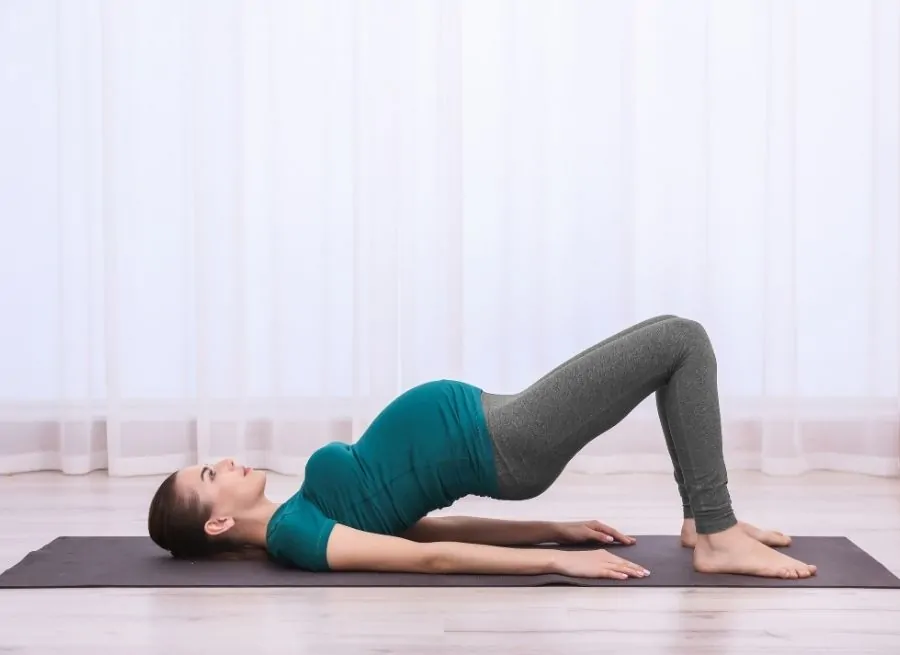
Pelvic floor exercises are important during pregnancy. They help strengthen muscles that support the bladder, uterus, and bowels. These exercises can reduce the risk of leaks and help with childbirth recovery. Beginners can easily learn these simple moves. Practicing regularly brings the best results.
Kegel Basics
Kegel exercises target the pelvic floor muscles. To find these muscles, try stopping urine mid-flow. That squeezing feeling is the right muscle group. Tighten these muscles for 5 seconds, then relax for 5 seconds. Repeat 10 times for one set. Aim for three sets a day.
Improving Muscle Control
Start slowly and focus on proper muscle control. Avoid tightening stomach or leg muscles. Breathe normally while doing exercises. Over time, increase the hold time to 10 seconds. Consistency is key to strengthening these muscles well.
Incorporating Into Daily Routine
Pelvic floor exercises fit easily into daily life. Try doing them while sitting, standing, or lying down. Practice during activities like watching TV or brushing teeth. This helps build a habit without extra effort. Regular practice supports a healthier pregnancy experience.
Creating A Safe Workout Routine
Creating a safe workout routine during pregnancy is very important. It helps keep both mother and baby healthy. Exercise can improve mood, energy, and sleep. It also prepares the body for labor. But safety must always come first. A well-planned routine avoids risks and supports overall wellness.
Start slow and focus on gentle activities. Pay attention to your body’s signals. Adjust the routine as your pregnancy progresses. This way, you stay strong without overdoing it.
Setting Realistic Goals
Set small, clear goals for each workout. Aim for consistency, not intensity. For example, plan to walk 10 minutes daily. Increase time gradually based on comfort. Avoid pushing too hard or too fast. Realistic goals keep motivation high and prevent injury.
Scheduling Regular Sessions
Choose specific times for exercise every week. Try to keep sessions short and frequent. Three to five times a week works well. Regular sessions help build a healthy habit. Pick times when you feel most energetic. This makes sticking to the routine easier.
Listening To Your Body
Always pay close attention to your body’s signals. Stop exercising if you feel pain, dizziness, or breathlessness. Mild discomfort is normal but sharp pain is a warning. Rest when tired and drink plenty of water. Your body knows what is safe and what is not.
Frequently Asked Questions
What Are The Safest Exercises For Pregnant Beginners?
Safe exercises include walking, swimming, prenatal yoga, and stationary cycling. These low-impact activities improve fitness without risking injury or strain. Always consult your doctor before starting any new exercise routine during pregnancy.
How Often Should Pregnant Beginners Exercise Weekly?
Aim for 150 minutes of moderate exercise per week. Spread sessions over most days, such as 30 minutes five days a week. This helps maintain health and energy safely during pregnancy.
Can Pregnant Beginners Do Strength Training Safely?
Yes, light strength training is safe with proper form. Focus on low weights and high repetitions. Avoid heavy lifting or straining to protect your body and baby.
When Should Pregnant Beginners Avoid Exercising?
Avoid exercise if you have bleeding, dizziness, chest pain, or contractions. Also skip workouts if your doctor advises due to complications. Always listen to your body and seek medical advice if unsure.
Conclusion
Staying active during pregnancy helps keep both mother and baby healthy. Choose exercises that feel comfortable and safe for you. Always listen to your body and rest when needed. Gentle activities like walking, swimming, and stretching work well. Consult your doctor before starting any new exercise routine.
Small steps can lead to a stronger, happier pregnancy. Enjoy the journey and take care of yourself every day.