
Finding out you’re pregnant is an exciting moment, but it can also bring a flood of questions and worries. You want to do everything right for your baby’s health and your own well-being, but where do you start?
This article is here to guide you through the most important early pregnancy tips that every expecting mom should know. By following these simple, practical steps, you’ll feel more confident and in control during this amazing time. Keep reading to discover how you can take care of yourself and your little one from the very beginning.

Healthy Eating Habits
Eating well during early pregnancy helps both mother and baby stay healthy. Good food choices provide energy and support baby’s growth. Simple, balanced meals make a big difference in how you feel every day.
Focus on foods that give you important vitamins and minerals. Avoid items that might harm your baby. Drink enough water to keep your body working well. These habits build a strong foundation for a healthy pregnancy.
Essential Nutrients For Early Pregnancy
Folate is key for baby’s brain and spine. Find it in leafy greens, beans, and fortified cereals. Iron helps carry oxygen to you and your baby. Lean meats, spinach, and lentils are great sources. Calcium builds strong bones and teeth. Dairy products and broccoli contain calcium. Protein supports growth and repair. Eggs, fish, and nuts provide protein. Vitamin D helps calcium absorb. Sunlight and fortified milk add vitamin D.
Foods To Avoid
Raw fish and undercooked meat can carry germs. Skip unpasteurized cheeses and milk to prevent infections. Limit caffeine to small amounts daily. Avoid high-mercury fish like shark and swordfish. Cut back on sugary snacks and drinks. They add empty calories and little nutrition.
Hydration Tips
Drink plenty of water throughout the day. It helps digestion and keeps skin healthy. Carry a water bottle for easy access. Herbal teas without caffeine can add variety. Avoid sugary drinks that cause energy crashes. Drink before feeling thirsty for best results.
Managing Morning Sickness
Morning sickness is a common issue in early pregnancy. Many moms feel nausea and vomiting, especially in the first trimester. It can be tough but managing it well can ease daily life. Simple steps and care can help reduce discomfort and keep you healthy.
Natural Remedies
Ginger is a popular natural remedy. Drinking ginger tea or chewing ginger candies may reduce nausea. Small, frequent meals help keep your stomach from getting empty. Avoid spicy, greasy, or strong-smelling foods that can trigger sickness. Staying hydrated is key. Sipping water or clear fluids often can prevent dehydration. Fresh air and light exercise might also ease symptoms. Rest when you feel tired. Stress and fatigue can make nausea worse.
When To Seek Medical Help
Morning sickness usually improves by week 12 to 14. Seek medical help if vomiting is severe or lasts longer. Signs like dizziness, weight loss, or inability to keep fluids down need attention. Your doctor can offer treatments to ease symptoms safely. Do not ignore severe symptoms. Early care helps protect you and your baby.
Safe Exercise Routines
Exercise during early pregnancy is very important for both mom and baby. It helps keep the body strong and prepares it for the changes ahead. Safe exercise routines can improve mood and energy. It also reduces stress and helps with better sleep. Choosing the right activities is key to staying healthy and avoiding injury.
Benefits Of Staying Active
Staying active helps control weight gain during pregnancy. It can lower the risk of gestational diabetes and high blood pressure. Exercise strengthens muscles and improves posture. This can ease common pregnancy aches and pains. Being active also boosts mood and reduces anxiety. It helps prepare the body for labor and delivery. Plus, it may lead to faster recovery after birth.
Recommended Activities
Walking is a simple and safe way to stay active. Swimming supports the body and reduces joint stress. Prenatal yoga improves flexibility and promotes relaxation. Stationary cycling offers a low-impact cardio option. Light strength training with proper form can build muscle. Always avoid exercises that risk falling or abdominal injury. Listen to your body and stop if you feel pain or dizziness. Consult your doctor before starting any new routine.
Prenatal Care Essentials
Taking care of your health in early pregnancy is very important. Prenatal care helps you and your baby stay healthy. It involves regular visits to your doctor and some tests. These steps check how your baby grows and catch any problems early. Knowing what to expect can make this time less stressful and more joyful.
Scheduling Your First Appointment
Book your first prenatal visit soon after you find out you are pregnant. This visit usually happens around 8 weeks of pregnancy. Your doctor will ask about your health history and any medicines you take. They will check your weight, blood pressure, and may do a physical exam. This visit sets the stage for all future care. It is a good time to ask questions.
Important Screenings And Tests
Doctors perform several tests to ensure your pregnancy is going well. Blood tests check for anemia and infections. Urine tests look for signs of diabetes or kidney problems. Ultrasounds show how your baby is growing. Some tests screen for genetic conditions. Each test helps your doctor plan the best care for you and your baby.
Emotional Well-being
Early pregnancy brings many changes, not just physically but emotionally too. Hormones can cause feelings to swing quickly. Understanding and caring for your emotional well-being is very important during this time.
Coping With Mood Swings
Mood swings are normal in early pregnancy. You might feel happy one moment, sad the next. Try to accept these feelings without judging yourself. Talk to someone you trust about how you feel. Rest and sleep help balance emotions. Avoid making big decisions when emotions run high.
Stress Reduction Techniques
Stress can affect both you and your baby. Take time to relax every day. Deep breathing exercises calm the mind and body. Gentle walks or light stretching release tension. Listening to soft music can soothe your nerves. Small breaks from work or chores refresh your energy. Remember, caring for your mind is as important as caring for your body.
Avoiding Harmful Substances
Avoiding harmful substances is crucial during early pregnancy. The baby’s development starts quickly, making this time very sensitive. Harmful substances can cause serious health problems for both mother and baby. Staying clear of these risks helps ensure a safer pregnancy and a healthier baby.
Alcohol And Smoking Risks
Alcohol can harm the baby’s brain and organs. Even small amounts can cause lifelong problems. Smoking reduces oxygen flow to the baby, leading to low birth weight. It also raises the chance of miscarriage and preterm birth. Avoiding alcohol and tobacco protects your baby’s growth and health.
Medications To Watch
Some medicines can harm the baby during early pregnancy. Always talk to your doctor before taking any medication. This includes prescription drugs, over-the-counter pills, and herbal supplements. Your doctor can suggest safer options. Never stop medicine without medical advice, but do get guidance to protect your baby.
Preparing For Lifestyle Changes
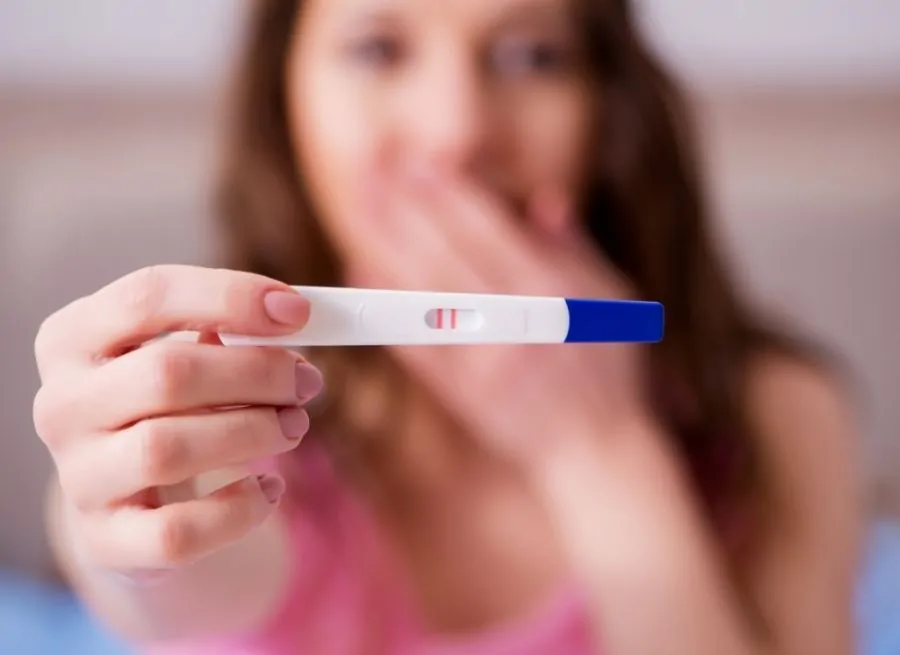
Expecting a baby brings many changes to daily life. Preparing early helps ease this transition. Small adjustments improve comfort and health during pregnancy. Focus on key lifestyle areas to support your well-being.
Sleep Adjustments
Sleep needs often increase during early pregnancy. Rest helps your body support the growing baby. Try to create a quiet, dark sleeping space. Use pillows to support your belly and back. Avoid screens at least one hour before bed. A regular sleep schedule can improve rest quality. Short naps during the day may also help if you feel tired.
Work And Travel Considerations
Pregnancy might require changes at work. Share your condition with your employer early for support. Avoid heavy lifting and stressful tasks. Take regular breaks to rest and stretch. Travel plans may need adjustment to stay safe. Choose comfortable transport options and avoid long trips. Always carry water and snacks to stay hydrated and energized. Consult your doctor before making any travel decisions.
Frequently Asked Questions
What Are The First Signs Of Early Pregnancy?
Early pregnancy signs include missed periods, nausea, fatigue, and breast tenderness. Spotting and mood swings are also common. These symptoms vary for each woman but often start within weeks of conception.
How Can I Manage Morning Sickness Effectively?
To manage morning sickness, eat small, frequent meals and avoid strong smells. Stay hydrated and try ginger or vitamin B6 supplements. Rest and fresh air can also help reduce nausea during early pregnancy.
What Foods Should I Avoid During Early Pregnancy?
Avoid raw fish, unpasteurized dairy, and deli meats to reduce infection risks. Limit caffeine and steer clear of alcohol and high-mercury fish. Focus on balanced, nutrient-rich foods for healthy fetal development.
How Much Weight Should I Gain In Early Pregnancy?
In early pregnancy, aim for a gradual weight gain of 1 to 4. 5 pounds. This supports your baby’s growth without excessive strain. Consult your healthcare provider for personalized guidance based on your health.
Conclusion
Early pregnancy can feel overwhelming. Simple steps help keep you and baby healthy. Eat well, rest often, and stay hydrated. Talk to your doctor about any concerns. Avoid stress and listen to your body. Every small choice makes a big difference.
Enjoy this special time and take it slow. You are doing a great job already. Keep these tips close as you prepare for motherhood.