
Becoming a new parent is exciting, but it can also feel overwhelming. You want to give your baby the best care possible, but where do you start?
This guide is here to help you with essential baby care tips that are simple and easy to follow. Whether it’s feeding, sleeping, or keeping your little one safe, you’ll find practical advice that makes your daily routine smoother. Keep reading to discover how you can confidently care for your baby and enjoy these precious moments without stress.

Preparing For Baby’s Arrival
Preparing for your baby’s arrival is an exciting and important time. It helps create a calm and safe space for your newborn. Getting ready early reduces stress and allows you to focus on your baby once they arrive. This stage includes setting up the nursery, gathering essentials, and planning the birth. Each step ensures you feel confident and ready.
Setting Up The Nursery
Choose a quiet room with good lighting. Keep the nursery simple and safe. Use a crib that meets safety standards. Add soft bedding and a cozy blanket. Include storage for clothes, diapers, and toys. Make sure the room is easy to clean. A calm space helps your baby sleep well.
Gathering Baby Essentials
Start with basics like diapers, wipes, and clothes. Choose soft fabrics that are gentle on skin. Buy a baby bath, thermometer, and nail clippers. Stock up on feeding supplies, such as bottles or nursing pads. Have a first aid kit ready. These items make daily care easier and safer.
Planning A Birth Plan
Write down your birth preferences clearly. Decide on who will be present during labor. Discuss pain relief options with your doctor. Choose a hospital or birthing center that feels right. Plan how to get to the hospital quickly. A clear plan helps reduce anxiety and keeps things smooth.
Feeding Your Newborn
Feeding your newborn is a vital part of baby care. It helps your baby grow strong and stay healthy. Babies need special attention during feeding to meet their nutritional needs. Every parent wants to give the best start to their little one. Understanding feeding basics makes this task easier and more enjoyable.
Breastfeeding Basics
Breastfeeding provides perfect nutrition for newborns. It contains all essential vitamins and antibodies. Start breastfeeding soon after birth if possible. Hold your baby close, skin-to-skin, to encourage feeding. Watch for hunger signs like sucking or lip movements. Feed on demand to support your baby’s needs. Keep your baby latched properly to avoid pain. Breastfeed until your baby seems full and relaxed. Stay hydrated and eat healthy foods to support milk supply.
Bottle Feeding Tips
Use formula recommended by your baby’s doctor. Always sterilize bottles and nipples before use. Warm the milk to body temperature for comfort. Hold your baby upright during feeding to prevent choking. Watch your baby’s cues to avoid overfeeding. Burp your baby regularly to release trapped air. Clean bottles thoroughly after every feed. Follow the feeding schedule suggested by your healthcare provider.
Introducing Solid Foods
Start solids at about six months of age. Begin with soft, mashed foods like rice cereal or pureed vegetables. Offer one new food at a time to spot allergies. Use a small spoon and feed in a calm place. Keep breast milk or formula as the main food source. Gradually increase variety and texture as your baby grows. Avoid honey and cow’s milk in the first year. Encourage self-feeding to develop motor skills and independence.
Diapering And Hygiene
Diapering and hygiene are key parts of caring for a newborn. Keeping your baby clean and comfortable helps prevent rashes and infections. It also keeps your baby happy and healthy. Understanding the basics of diapering and hygiene makes daily care easier for new parents.
Choosing The Right Diapers
Select diapers that fit your baby well. Too tight or too loose diapers cause leaks or discomfort. Consider your baby’s skin type. Sensitive skin needs gentle, hypoallergenic diapers. Disposable diapers offer convenience, while cloth diapers are eco-friendly. Change diapers often to keep the baby dry and clean.
Changing Diapers Safely
Prepare your supplies before changing a diaper. Use a clean, flat surface to avoid accidents. Clean the baby’s bottom with gentle wipes or warm water. Wipe from front to back to prevent infections. Allow the skin to dry fully before putting on a new diaper. Dispose of diapers properly and wash your hands after.
Bathing Your Baby
Bathing keeps your baby clean and refreshed. Use lukewarm water and mild baby soap. Support your baby’s head and neck at all times. Wash gently, focusing on creases and folds. Avoid getting soap in the eyes. Dry your baby carefully, especially in skin folds. Bathing two to three times a week is enough.
Sleep Tips For Babies
Sleep is very important for your baby’s growth and health. New parents often find it hard to manage their baby’s sleep. Good sleep habits help babies feel calm and happy. Here are some simple tips to make sleep time easier for your baby and you.
Creating A Sleep Routine
Babies thrive on routine. Try to put your baby to sleep at the same time every night. Use calming activities before bed, like a warm bath or gentle lullabies. This helps your baby know it is time to rest. A consistent routine makes falling asleep easier and quicker.
Safe Sleep Practices
Always place your baby on their back to sleep. Use a firm mattress with a fitted sheet. Keep the crib free from pillows, blankets, and toys. This lowers the risk of sudden infant death syndrome (SIDS). Keep the room cool and quiet for better sleep.
Dealing With Sleep Challenges
Babies may wake often or have trouble settling. Stay calm and soothe your baby with soft words or gentle rocking. Avoid bright lights and loud noises at night. If your baby resists sleep, try to be patient and keep the routine steady. Over time, sleep will improve.
Health And Safety
Keeping your baby healthy and safe is a top priority for new parents. Babies are delicate and need special care to avoid illnesses and accidents. Understanding health and safety basics helps you protect your little one effectively.
Early attention to health signs and a safe environment make a big difference. Simple steps can prevent many problems. Being prepared gives you peace of mind and keeps your baby comfortable.
Recognizing Common Illnesses
Babies can catch colds, fevers, or rashes. Watch for signs like unusual fussiness, coughing, or feeding trouble. A slight fever or skin changes might mean an infection. Quick action helps your baby recover faster.
Learn to spot symptoms early. Know when to call your doctor. Trust your instincts if something feels wrong. Early care prevents complications.
Babyproofing Your Home
Babies explore by touching and crawling. Remove sharp objects and cover electrical outlets. Use safety gates near stairs and locks on cabinets. Keep small items out of reach to avoid choking hazards.
Check floors for loose rugs or toys. Create a safe play area with soft surfaces. Babyproofing lowers the risk of accidents at home. Safety starts with careful preparation.
Scheduling Pediatric Visits
Regular check-ups track your baby’s growth and health. Vaccines protect against serious diseases. Your doctor answers questions and offers advice. Keep a record of all visits and shots.
Schedule appointments on time. Early visits catch issues before they grow. Consistent care builds a healthy start for your baby.
Soothing And Comforting
Soothing and comforting your baby helps build trust and calm their mind. Newborns often feel overwhelmed by new sounds and sensations. Gentle care creates a safe space. It helps them feel secure and loved.
Understanding simple ways to calm your baby reduces stress for both of you. Small actions can make a big difference. Learning these tips early supports your baby’s emotional growth.
Calming Crying Babies
Crying is a baby’s way to communicate. Check for hunger, tiredness, or a wet diaper first. Soft rocking or gentle swaying often helps. Singing or playing quiet music can soothe. Sometimes, a calm voice is enough to ease fussiness.
Swaddling Techniques
Swaddling wraps your baby snugly in a blanket. It mimics the womb and helps them feel safe. Use a lightweight cloth and ensure it’s not too tight. Leave room for hip movement to avoid discomfort. Stop swaddling as soon as your baby starts rolling over.
Using Pacifiers Safely
Pacifiers can calm babies by satisfying their sucking reflex. Choose one that is the right size for your baby’s age. Clean pacifiers regularly to keep them safe. Never tie a pacifier around your baby’s neck. Limit use after six months to prevent dental issues.
Supporting Emotional Bonding
Supporting emotional bonding with your baby builds trust and comfort. This connection helps your baby feel safe and loved. Early bonding also supports your baby’s brain growth and emotional health. Simple actions can create strong bonds between you and your newborn.
Skin-to-skin Contact
Hold your baby close against your bare skin. This warms your baby and calms their heartbeat. Skin-to-skin contact helps your baby feel secure. It also supports breastfeeding and reduces stress for both of you. Try this after birth or during quiet times.
Responsive Parenting
Pay attention to your baby’s signals. Crying means they need something—comfort, food, or a diaper change. Respond quickly and gently to build trust. Your baby learns you care and will meet their needs. This helps them feel safe and loved every day.
Encouraging Early Communication
Talk, sing, and smile at your baby often. Your baby listens and starts to understand sounds and feelings. Imitate their coos and facial expressions. This teaches your baby to communicate and connect with you. Early talking helps your baby’s language skills grow strong.
Self-care For New Parents
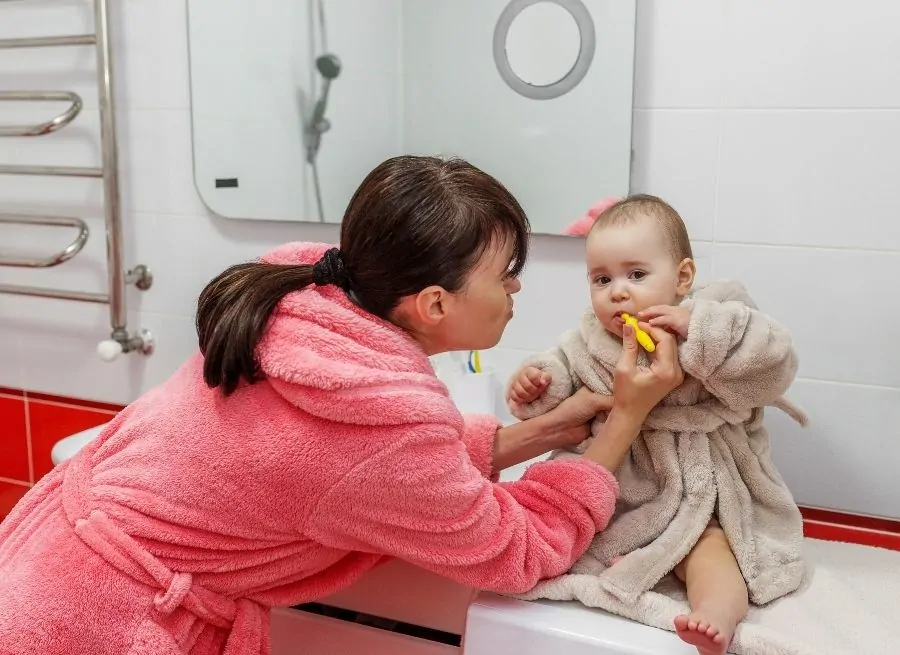
Taking care of a new baby is joyful but tiring. New parents often forget to care for themselves. Self-care is important to stay healthy and happy. It helps parents care better for their baby. Simple steps can reduce stress and make life easier.
Managing Stress And Fatigue
New parents face many sleepless nights. Stress and tiredness can build quickly. Try short naps whenever the baby sleeps. Deep breathing or quiet moments help calm the mind. Avoid too much caffeine or sugar. Gentle exercise like walking can boost energy and mood.
Seeking Support Networks
Talking to other parents can ease worries. Join local parent groups or online communities. Sharing experiences helps parents feel less alone. Ask family or friends for help. Accepting support is a sign of strength, not weakness.
Balancing Parenting And Personal Time
Parents need time away from baby duties. Even a few minutes alone can refresh the mind. Schedule small breaks for hobbies or relaxation. Share baby care tasks with a partner or helper. Balance keeps parents happy and better able to care.
Frequently Asked Questions
What Are The Basic Baby Care Essentials For New Parents?
Basic baby care essentials include diapers, wipes, baby clothes, feeding bottles, and a safe sleeping area. New parents should also have a thermometer, baby lotion, and gentle soap. These items help ensure the baby’s comfort, hygiene, and safety from day one.
How Often Should I Feed My Newborn Baby?
Newborns typically need feeding every 2 to 3 hours, about 8 to 12 times daily. Watch for hunger cues like lip-smacking or rooting. Feeding frequency may vary, so consult your pediatrician to ensure your baby receives proper nutrition.
What Is The Safest Sleeping Position For Infants?
The safest sleeping position for infants is on their backs. This reduces the risk of sudden infant death syndrome (SIDS). Always place your baby on a firm mattress without loose bedding or toys in the crib to ensure a safe sleep environment.
How Can New Parents Soothe A Crying Baby Quickly?
To soothe a crying baby, try gentle rocking, swaddling, or soft singing. Check if the baby is hungry, needs a diaper change, or feels uncomfortable. Sometimes, a pacifier or a warm bath can help calm your baby effectively.
Conclusion
Caring for a baby takes patience and love every day. Small steps build a strong bond with your child. Trust your instincts and learn as you go. Keep routines simple and stay calm during challenges. Remember, every parent makes mistakes and grows.
Your baby needs your care and attention most. Enjoy these precious moments—they pass quickly. Stay confident—you are doing a great job.