
Last Updated on September 3, 2026
Your home should be the safest place for your kids to play, learn, and grow. But accidents can happen in the blink of an eye, and often, we don’t realize the hidden dangers around us.
What if you could spot those risks before they cause harm? Imagine the peace of mind you’d feel knowing your home is truly child-proof. You’ll discover simple, effective steps to make your home safer for your children—without turning your space into a fortress.
Keep reading to protect your little ones and create a secure environment they deserve.
Identify Common Hazards
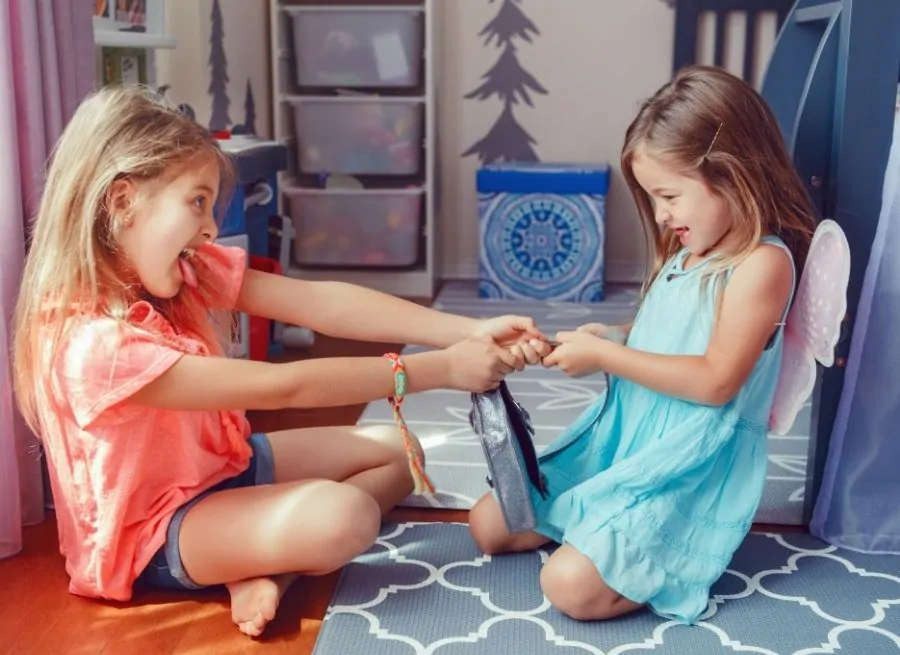
Making your home safe for kids starts with spotting risks. Many accidents happen because of hidden dangers. These risks often hide in plain sight. Knowing what to look for helps you protect your children better.
Check your home room by room. Look carefully at places where kids play and spend time. Small changes can stop many accidents. Focus on common hazards that cause injuries.
Check Sharp Edges And Corners
Sharp edges on furniture can hurt children easily. Tables, counters, and shelves often have pointed corners. Kids can bump into them while running or playing. Use corner guards or soft covers to protect these areas. Padding sharp edges reduces the chance of cuts and bruises.
Inspect Electrical Outlets
Electrical outlets are dangerous for curious kids. They may try to stick fingers or objects inside. This can cause shocks or burns. Use outlet covers to block access. Regularly check outlets for damage or loose covers. Keep cords out of reach to avoid pulling or chewing.
Assess Furniture Stability
Unstable furniture can tip over and injure children. Bookcases, dressers, and TVs need to be secure. Anchor heavy pieces to the wall. Check that furniture legs and bases are strong. Teach kids not to climb on furniture. Stability prevents falls and serious accidents.
Secure Furniture And Appliances
Keeping your home safe for kids means focusing on furniture and appliances. These items can cause accidents if not secured properly. Small children often pull or climb on furniture, which may tip over. Appliances like ovens and refrigerators can also be dangerous if children access them.
Securing furniture and appliances helps prevent injuries. It keeps kids away from sharp edges, hot surfaces, and heavy objects. Taking simple steps can create a safer space for your little ones to explore.
Anchor Heavy Furniture
Heavy furniture like bookshelves and dressers should be anchored to walls. Use brackets or straps to fix them firmly. This stops furniture from tipping over if a child climbs or pulls. Anchoring saves lives and prevents serious injuries.
Lock Cabinets And Drawers
Cabinets and drawers often hold sharp or dangerous items. Use childproof locks to keep them closed. This blocks access to knives, cleaning supplies, or medicines. Locks give peace of mind and protect curious hands.
Use Appliance Locks
Appliance locks prevent children from opening ovens, microwaves, or refrigerators. These locks are easy to install and use. They keep kids away from hot surfaces and food that might harm them. Appliance locks add an extra layer of safety at home.
Create Safe Play Areas
Creating safe play areas helps protect children from accidents at home. These spaces give kids freedom to explore and play. Safety should be the top priority in these zones.
Setting up a safe play area encourages healthy and happy childhood moments. It also gives parents peace of mind.
Choose Child-friendly Spaces
Pick rooms or corners with little traffic and low hazards. Avoid areas near stairs, kitchens, or sharp furniture. Clear the space of anything dangerous or breakable.
Well-lit, ventilated spaces work best. Kids feel comfortable and secure in such spots. Make sure the area is easy to supervise.
Use Soft Flooring Options
Soft floors cushion falls and reduce injuries. Use foam mats, rugs, or carpet tiles to cover hard surfaces. Check mats for secure edges to prevent tripping.
Choose materials that are easy to clean and non-toxic. Soft flooring helps protect children during active play.
Remove Small Objects And Choking Hazards
Keep tiny items out of reach. Toys with small parts can cause choking. Regularly scan the play area for loose buttons, coins, or beads.
Store small objects in sealed containers or high shelves. Teach kids not to put small things in their mouths.
Improve Kitchen Safety
The kitchen is a busy place in any home. It holds many items that can be harmful to children. Making the kitchen safer helps prevent accidents and injuries. Small changes can protect your kids while you cook or clean.
Store Chemicals Out Of Reach
Keep all cleaning products and chemicals high and locked up. Use cabinets with childproof locks. Never leave these items on counters or low shelves. Store them in a place your child cannot open or reach. This reduces the risk of poisoning or burns.
Use Stove Guards
Install stove guards around burners to stop little hands from touching hot surfaces. These guards create a barrier between your child and the stove. They also help prevent pots and pans from tipping over. Stove guards are easy to fit and remove for cleaning.
Keep Sharp Tools Secured
Store knives and scissors in a drawer with a safety lock. Use knife blocks or magnetic strips placed high up. Avoid leaving sharp tools on counters or in sinks. Always teach children that these tools are not toys. Securing sharp objects cuts down on cuts and injuries.
Enhance Bathroom Safety
The bathroom can be one of the most dangerous rooms for kids. Wet floors and sharp edges cause many accidents. Small hands can reach harmful items easily. Making the bathroom safer helps parents feel calm. It also protects children from injuries and hazards.
Install Non-slip Mats
Wet floors become slippery fast. Non-slip mats stop kids from falling. Place these mats inside and outside the tub. Choose mats with strong grips underneath. This keeps them from sliding around. A small step like this prevents many accidents.
Use Faucet Covers
Sharp metal faucets can hurt little heads. Soft faucet covers cushion any bumps. They also prevent burns from hot water. Covers are easy to install and remove. They come in fun shapes to make kids smile.
Keep Medicines Locked Away
Medicines look like candy to children. Keep all pills and liquids in a locked cabinet. Use childproof locks for extra safety. Teach kids not to touch medicine without help. This simple step saves lives every day.
Prevent Falls And Injuries
Falls cause many injuries in young children. Taking steps to prevent falls helps keep your home safe. Simple changes can protect kids from harm.
Focus on areas where children play and move often. Make sure these spaces have extra safety measures. This effort lowers the risk of accidents.
Install Safety Gates
Safety gates block stairs and risky rooms. Choose gates that are sturdy and fit the space. Always lock gates securely to stop children from opening them.
Place gates at the top and bottom of stairs. This prevents falls down the steps. Use gates near fireplaces or kitchens for added protection.
Use Window Guards
Windows can be dangerous for curious kids. Window guards stop children from falling out. Install guards that allow easy exit during emergencies.
Check window guard strength regularly. Replace any that show signs of wear or damage. Keep windows locked when guards are not enough.
Secure Rugs And Cords
Loose rugs cause slips and trips. Use non-slip pads under rugs to keep them steady. Remove small rugs in high-traffic areas.
Keep cords from blinds and electronics out of reach. Tie up or hide cords to avoid strangling risks. Check cords often to ensure they stay secured.
Manage Fire And Poison Risks
Keeping your home safe from fire and poison risks is crucial for protecting children. Fires can start quickly and cause serious harm. Poisoning can happen if children access harmful substances. Taking simple steps reduces these dangers and keeps kids safe.
Install Smoke Detectors
Smoke detectors warn you early about fires. Place them in every bedroom, hallway, and living area. Test detectors monthly to ensure they work. Change batteries twice a year or when low battery alerts sound. Smoke detectors save lives by giving you time to act.
Store Cleaning Supplies Safely
Cleaning products often contain toxic chemicals. Store them in high cabinets or locked cupboards. Keep products in their original containers with labels intact. Never transfer chemicals into food or drink containers. Teach children that these products are not toys or food.
Create An Emergency Plan
Have a clear plan for emergencies like fire or poisoning. Teach children how to exit the house quickly and safely. Practice the plan regularly so everyone remembers it. Know emergency phone numbers and keep them visible. A plan helps reduce panic and saves lives.
Promote Safe Outdoor Spaces
Creating a safe outdoor space helps children play freely and parents feel at ease. Outdoor areas can be fun and healthy places for kids. Safety checks and regular care lower the risk of accidents. Some simple steps make your yard safer for children.
Inspect Play Equipment
Check swings, slides, and climbing frames often. Look for rust, loose bolts, or cracks in plastic. Make sure the equipment is steady and well fixed to the ground. Remove or repair anything broken. Soft ground surfaces like mulch or rubber mats reduce injuries from falls.
Secure Pools And Water Features
Fences with locked gates keep children away from pools. Always cover pools when not in use. Water features like ponds or fountains need barriers too. Empty buckets or small containers quickly to avoid water buildup. Never leave children unsupervised near water.
Maintain Yard Cleanliness
Clear sharp tools, chemicals, and trash from the yard. Keep plants trimmed and remove harmful ones. Watch out for thorny bushes or poisonous berries. Clean up fallen branches and leaves to prevent trips. A tidy yard reduces many risks for kids.
Frequently Asked Questions
How Can I Childproof Sharp Corners At Home?
Use corner guards or padding on furniture edges. This prevents injuries from accidental bumps and falls. Check regularly for secure attachments and replace worn guards promptly. Childproofing sharp corners creates a safer play environment for kids.
What Are The Best Safety Gates For Stairs?
Choose sturdy, pressure-mounted or hardware-mounted gates for stairs. Ensure gates fit securely and have a locking mechanism. Regularly test gates for stability. Safety gates prevent falls and keep children away from stair hazards.
How Do I Secure Cabinets From Kids?
Install childproof locks or latches on cabinets. Use magnetic or adhesive locks for easy access by adults. Store harmful items like cleaning supplies out of reach. Securing cabinets reduces poisoning and injury risks for children.
What Electrical Safety Tips Protect Children?
Use outlet covers or safety plugs on unused outlets. Keep cords out of reach and away from water. Educate kids on electrical dangers. These measures prevent shocks and electrical accidents in the home.
Conclusion
Making your home safe for kids protects their health and happiness. Simple steps can prevent many accidents at home. Check for sharp edges, cover outlets, and store chemicals out of reach. Teach children about dangers in a gentle way. Regularly review safety measures as kids grow and explore more.
A safer home gives peace of mind for the whole family. Small changes today lead to big benefits tomorrow. Keep safety a daily habit to protect your little ones.