Last Updated on June 1, 2024
Yes, you can eat rhubarb when pregnant, according to the NHS, but it should be consumed in moderation. The stalks are safe to eat, while the leaves should be avoided due to their high oxalic acid content, which is toxic.
Rhubarb is a popular vegetable known for its tart flavor and is often used in desserts like pies and crumbles. During pregnancy, it is crucial to be cautious about dietary choices to ensure the health and safety of both the mother and the baby. This article explores whether rhubarb is safe to eat during pregnancy, its nutritional benefits, potential risks, and safe consumption methods.
What is Rhubarb?
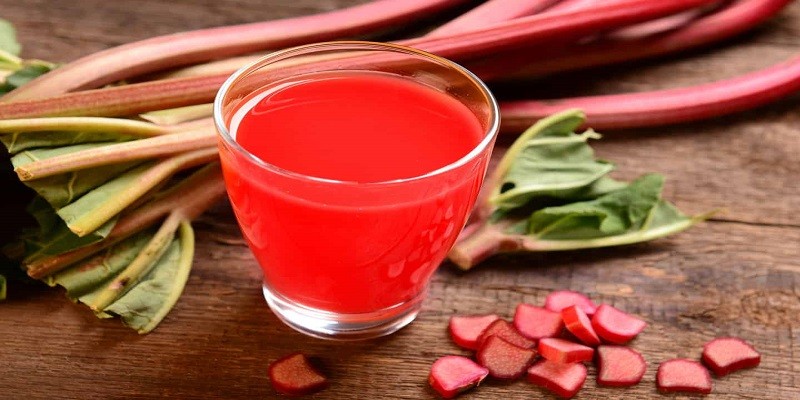
Rhubarb is a hardy perennial plant belonging to the buckwheat family (Polygonaceae). It is characterized by its large, edible stalks, which are typically red or green and have a sour taste. The leaves of the rhubarb plant are toxic and should never be consumed. Rhubarb is often used in cooking and baking, particularly in sweet dishes, due to its tart flavor.
Nutritional Value of Rhubarb
| Nutritional Value | Details |
|---|---|
| Vitamin K1 | 26-37% of the Daily Value (DV) per 100 grams |
| Vitamin C | 6% of the DV per 100 grams |
| Fiber | 2 grams per 100 grams |
| Calcium | 15% of the DV per 100 grams |
| Antioxidants | High in polyphenols, anthocyanin, and lycopene |
Risks of Eating Rhubarb During Pregnancy
| Risks | Details |
|---|---|
| Oxalic Acid | High levels in leaves can cause kidney issues and toxicity |
| Emodin | Can cause fetal abnormalities in animal studies |
| Laxative Effect | Excessive consumption can lead to digestive issues |
| Kidney Stones | High oxalate content can contribute to kidney stone formation |
Safe Ways to Eat Rhubarb During Pregnancy
To safely enjoy rhubarb during pregnancy, it is essential to consume it in moderation and ensure it is thoroughly cooked. Cooking rhubarb reduces its oxalic acid content, making it safer to eat. Avoid consuming rhubarb leaves entirely, as they are toxic. Incorporate rhubarb into balanced meals, such as in crumbles or jams, to enjoy its nutritional benefits without overconsumption.
Alternatives to Rhubarb During Pregnancy
| Alternatives | Precautions |
|---|---|
| Strawberries | Ensure they are thoroughly washed to remove pesticides |
| Chard | Consume in moderation due to its oxalate content |
| Kale | Rich in nutrients but should be cooked to reduce oxalates |
Experts Tips
- Moderation is Key: Consume rhubarb in small amounts to avoid potential risks.
- Cook Thoroughly: Always cook rhubarb to reduce oxalic acid content.
- Avoid Leaves: Never consume rhubarb leaves due to their high toxicity.
FAQs
Can I eat rhubarb stalks during pregnancy?
Yes, rhubarb stalks are safe to eat during pregnancy when consumed in moderation and thoroughly cooked. Avoid the leaves as they are toxic.
What are the benefits of eating rhubarb during pregnancy?
Rhubarb is low in calories and high in vitamins C and K, fiber, and antioxidants, which can support immune function, digestion, and overall health during pregnancy.
Are there any risks associated with eating rhubarb while pregnant?
Yes, consuming large amounts of rhubarb can lead to kidney issues due to its oxalic acid content. Always avoid the leaves and consume the stalks in moderation.
How should I prepare rhubarb to make it safe during pregnancy?
Cook rhubarb thoroughly to reduce its oxalic acid content. Avoid raw rhubarb and never consume the leaves. Incorporate it into balanced meals like crumbles or jams.
Can rhubarb cause any harm to my baby during pregnancy?
In moderation, rhubarb is unlikely to harm your baby. However, excessive consumption or eating the leaves can pose risks. Always consult your healthcare provider before making dietary changes.
Conclusion
Rhubarb can be a nutritious addition to a pregnant woman’s diet when consumed in moderation and properly prepared. It offers several health benefits, including vitamins and antioxidants, but it is crucial to avoid the toxic leaves and not overconsume the stalks. Always consult with a healthcare provider to ensure the safety of both mother and baby during pregnancy.