

Last Updated on September 27, 2026
Parenting can be one of the most rewarding yet challenging parts of your life. You want the best for your children, but sometimes it feels like you’re juggling too much at once.
What if there were simple, positive ways you could bring more calm, connection, and confidence into your daily family moments? You’ll discover easy tips that help you build stronger bonds and create a happier home. Keep reading to find out how small changes in your approach can make a big difference for you and your family every day.
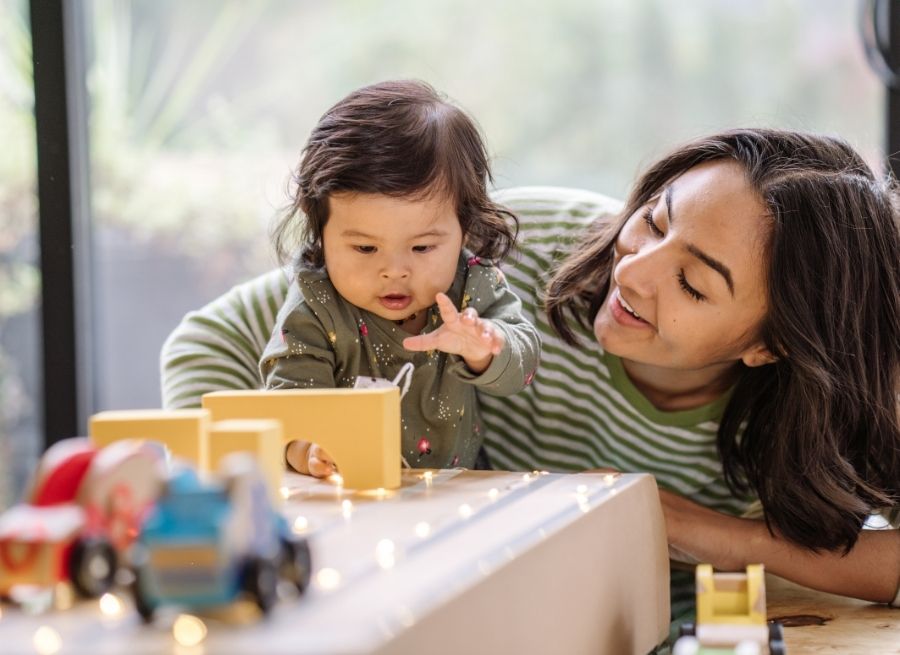
Building Strong Family Bonds
Building strong family bonds is key to a happy home. It helps every member feel loved and safe. Strong bonds create trust and support. These connections make everyday life smoother and more joyful.
Quality Time Together
Spending quality time together grows family closeness. Simple activities like meals or walks build connection. Turn off phones and focus on each other. Enjoy shared hobbies to create happy memories. Quality time shows care and respect.
Effective Communication
Good communication keeps family ties strong. Speak clearly and listen with attention. Share feelings without blame or anger. Ask questions to understand each other better. Respectful talk solves problems and builds trust.
Creating Family Traditions
Family traditions bring everyone closer. Celebrate special days or create unique rituals. Traditions give a sense of belonging and joy. They connect past, present, and future family members. Keep traditions simple and fun for all.
Encouraging Positive Behavior
Encouraging positive behavior helps children grow with confidence and respect. It builds a happy home where everyone feels valued. Small actions by parents can guide kids toward good habits and choices. Focus on clear rules, praise, and calm responses to misbehavior. These steps create a supportive and loving environment every day.
Setting Clear Expectations
Children need to know what is expected of them. Clear rules help them understand right from wrong. Keep instructions simple and easy to follow. Talk about rules often and remind kids gently. Consistency helps children feel safe and secure. They learn faster when they know the limits.
Using Praise And Rewards
Praise encourages children to repeat good behavior. Notice even small efforts and say kind words. Rewards can be simple like extra playtime or stickers. Positive feedback makes kids feel proud and motivated. Avoid praising only results; focus on trying hard. This builds self-esteem and a positive attitude.
Handling Misbehavior Calmly
Stay calm when children act out. Yelling or punishment can cause fear or anger. Take a deep breath and speak softly. Explain why the behavior is wrong and offer choices. Help children learn from mistakes without shame. Calm responses teach respect and problem-solving skills.
Fostering Emotional Growth
Fostering emotional growth in children builds a strong foundation for their future. It helps them understand their feelings and relate to others. Emotional growth supports better choices and healthier relationships.
Parents play a key role in guiding children through their emotions. Encouraging empathy, supporting expression, and managing stress are vital parts of this journey.
Teaching Empathy
Empathy means understanding how others feel. Teach children to notice others’ emotions and respond kindly. Use simple examples from daily life to explain feelings. Praise acts of kindness and sharing. Stories and role play help children see things from others’ views. Empathy grows when children feel safe and loved at home.
Supporting Emotional Expression
Children need space to share their feelings openly. Encourage talking about happy, sad, or angry moments. Use words that describe emotions clearly. Avoid judging or dismissing their feelings. Listen carefully and show understanding. This support helps children trust their emotions and express them well. Drawing or playing can also help when words are hard.
Managing Stress And Frustration
Stress and frustration are common for children. Teach simple ways to calm down, like deep breaths or counting slowly. Offer comfort and patience during tough moments. Help children find solutions without pressure. Showing calm behavior yourself sets a good example. Managing emotions well builds resilience and confidence in children.
Promoting Healthy Routines
Healthy routines build a strong foundation for family life. They bring order and calm to busy days. Children feel safe and supported with clear patterns. Families enjoy more quality time and less stress.
Simple daily habits help kids grow physically and emotionally. Parents can guide kids gently through regular activities. Consistent routines teach responsibility and self-care skills.
Establishing Consistent Schedules
Set regular times for meals, play, and learning. Consistency helps children know what to expect next. Predictable schedules reduce tantrums and anxiety. Use calendars or charts to track daily routines. Adjust routines as kids grow or needs change.
Balanced Nutrition And Exercise
Offer a variety of fruits, vegetables, and proteins daily. Healthy meals fuel energy and brain development. Encourage active play for at least 60 minutes each day. Exercise supports strong muscles and good mood. Make physical activity fun and part of family time.
Prioritizing Sleep And Rest
Set a bedtime that allows 8 to 10 hours of sleep. Create a quiet, dark, and cool sleeping space. Establish calming pre-sleep routines like reading or soft music. Avoid screens at least one hour before bed. Rest improves focus, behavior, and overall health.
Encouraging Independence

Encouraging independence is key to raising confident and capable children. It helps kids learn important life skills and prepares them for the future. Giving children chances to do things on their own builds their sense of responsibility.
Independence grows step by step. Parents play a big role by supporting and guiding without taking control. This balance helps kids feel safe while exploring their abilities.
Age-appropriate Responsibilities
Assign tasks that fit your child’s age and skills. Young children can put toys away or help set the table. Older kids can handle more complex chores like folding laundry or managing their homework.
Matching tasks to age prevents frustration and builds success. It teaches children the value of contributing to family life. Start small and increase duties as they grow.
Problem-solving Skills
Encourage kids to think through problems on their own. Ask questions like, “What can you try next?” or “How would you fix this?” This approach helps them develop critical thinking.
Allow mistakes as part of learning. Support their efforts without giving immediate answers. This way, children gain confidence in making decisions.
Building Self-confidence
Celebrate your child’s efforts and achievements. Praise specific actions such as trying hard or completing a task. Positive feedback boosts self-esteem and motivates them.
Let kids take the lead in small tasks. Trusting their choices helps them feel capable. Self-confidence grows when children know their abilities matter.
Using Technology Wisely
Technology plays a big role in many family homes today. It offers fun, learning, and connection. Yet, too much screen time can cause problems. Using technology wisely helps keep a healthy balance for everyone. It supports positive parenting and strengthens family bonds.
Setting Screen Time Limits
Set clear rules about how long children can use screens daily. Use timers or apps to help track time. Balance screen time with outdoor play, reading, and family activities. Limits help children develop good habits and avoid overuse. Consistency is key to making these rules work well.
Choosing Educational Content
Pick apps, shows, and games that teach new skills. Look for content that promotes creativity, problem-solving, and learning. Educational material can make screen time valuable and fun. Avoid violent or inappropriate content that may harm children’s development. Discuss what children watch to encourage thoughtful choices.
Modeling Healthy Technology Use
Parents should show how to use devices responsibly. Put phones away during family meals and talks. Let children see balanced screen habits in daily life. This teaches respect for technology and people. Healthy role models guide children to use technology in smart ways.
Strengthening Parental Well-being
Strengthening parental well-being is key to positive parenting. Parents who feel good can care for their children better. Taking care of yourself helps you stay patient and calm. It also improves your mood and energy.
Focusing on your own health and happiness benefits the whole family. Small daily habits can make a big difference. Here are some simple ways to support your well-being every day.
Managing Parental Stress
Stress affects parents often. It can come from work, chores, or child care. Taking a moment to breathe deeply helps reduce stress quickly. Try short breaks during the day to clear your mind.
Exercise is a natural way to ease tension. Even a walk outside can boost your mood. Practice quiet time or meditation to calm your thoughts. Find what relaxes you and make it a habit.
Seeking Support Networks
Parents do not have to face challenges alone. Talking to friends or family can lighten the load. Sharing your feelings helps reduce worry and loneliness. Join local groups or online communities for advice and support.
Trusted support gives you new ideas and encouragement. It reminds you that others understand your situation. Building a network creates a safety net during tough times. Reach out and let others help you.
Balancing Work And Family
Balancing work and family is difficult but possible. Set clear boundaries between job time and home time. Prioritize tasks to avoid feeling overwhelmed. Make time for family activities that everyone enjoys.
Use simple schedules to organize daily routines. Plan breaks to recharge your energy. Communicate your needs with your employer and family members. Finding balance improves your mood and family harmony.
Frequently Asked Questions
What Are Key Positive Parenting Tips For Daily Family Life?
Key tips include active listening, consistent routines, and positive reinforcement. Encourage open communication and set clear boundaries. Show empathy and patience to foster trust and respect within the family. These practices create a supportive and nurturing home environment for children’s growth.
How Can I Build Better Communication With My Children?
Create a safe space for honest conversations. Listen actively without interrupting. Use age-appropriate language and ask open-ended questions. Validate their feelings and experiences. Regularly engage in family activities to strengthen bonds and improve understanding.
Why Is Positive Reinforcement Important In Parenting?
Positive reinforcement encourages good behavior by rewarding efforts and achievements. It builds self-esteem and motivates children to repeat positive actions. This approach reduces negative behaviors and strengthens parent-child relationships through trust and support.
How Do Routines Benefit Everyday Family Life?
Routines provide structure and predictability, reducing stress for children and parents. They help establish healthy habits, improve time management, and promote responsibility. Consistent routines foster a sense of security and stability within the family.
Conclusion
Positive parenting helps build strong family bonds every day. Small acts of kindness and patience make a big difference. Children learn best through love and clear guidance. Consistency and listening show respect and care. Challenges will come, but staying calm helps everyone.
Keep practicing these tips to create a happy home. Growing together as a family brings joy and trust. Your efforts matter and shape your child’s future. Simple habits build a lifetime of good memories. Positive parenting is a journey worth taking every day.