Last Updated on June 1, 2024
Yes, you can eat idli during pregnancy. Idli is a nutritious and easily digestible food that provides essential nutrients like proteins, carbohydrates, and iron, making it a safe and healthy option for pregnant women.
Idli, a staple South Indian dish, is a popular choice for breakfast and snacks. Made from fermented rice and lentil batter, idli is not only delicious but also packed with nutrients. During pregnancy, maintaining a balanced diet is crucial, and idli can be a beneficial addition due to its nutritional profile and easy digestibility.
What is Idli?
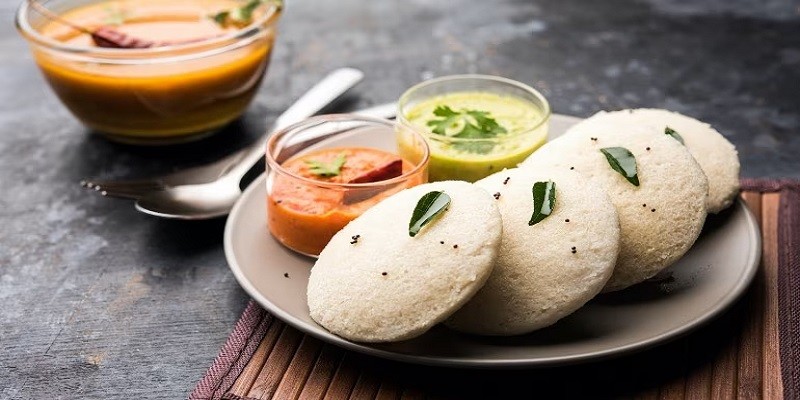
Idli is a soft, steamed cake made from a fermented batter of rice and urad dal (black lentils). This traditional South Indian dish is known for its light and fluffy texture. The fermentation process enhances the bioavailability of nutrients, making idli a healthy option. It is typically served with sambar (a lentil-based vegetable stew) and coconut chutney, adding to its nutritional value.
Nutritional Value of Idli
Risks of Eating Idli During Pregnancy
Safe Ways to Eating Idli During Pregnancy
To safely enjoy idli during pregnancy, consider the following tips:
- Opt for homemade idli batter to ensure freshness and hygiene.
- Pair idli with nutrient-rich accompaniments like sambar and coconut chutney.
- Avoid spicy podi (spice powder) to prevent heartburn.
- Incorporate vegetables into the batter for added fiber and nutrients.
Alternatives to Idli During Pregnancy
| Alternatives | Precautions |
|---|---|
| Dosa | Ensure it is not too oily |
| Upma | Use less oil and add vegetables |
| Poha | Opt for a version with added vegetables |
| Rava Idli | Use semolina and avoid instant mixes |
Experts Tips
- Moderation is Key: Eat idli in moderation to avoid excess calorie intake (source).
- Homemade Batter: Prefer homemade batter to ensure it is fresh and free from preservatives.
- Nutrient-Rich Accompaniments: Pair idli with sambar and coconut chutney to enhance its nutritional value.
FAQs
Can I eat idli in the first trimester of pregnancy?
Yes, idli is safe to eat in the first trimester as it is light, easily digestible, and provides essential nutrients.
How many idlis can I eat in a day during pregnancy?
You can eat one regular serving of idli occasionally. It is important to maintain a balanced diet and not overconsume any single food.
Is it safe to eat idli made from instant mixes during pregnancy?
While it is safe, it is preferable to make idli batter at home to ensure it is fresh and free from preservatives.
Can diabetic pregnant women eat idli?
Diabetic pregnant women should consume idli in moderation and opt for alternatives like ragi or oats idli to manage blood sugar levels.
What are the benefits of eating idli during pregnancy?
Idli helps maintain a healthy pregnancy weight, prevents constipation, and provides essential nutrients like protein, iron, and carbohydrates.
Conclusion
Idli is a nutritious and safe food option for pregnant women. Its easy digestibility and rich nutrient profile make it an excellent choice for maintaining a balanced diet during pregnancy. By following safe eating practices and incorporating nutrient-rich accompaniments, idli can be a beneficial addition to a pregnancy diet.