Last Updated on May 29, 2024
No, it is generally not recommended to eat nopales (prickly pear cactus) during pregnancy due to insufficient reliable information on its safety and potential risks such as blood sugar reduction and gastrointestinal issues.
Nopales, also known as prickly pear cactus pads, are a staple in Mexican cuisine and are known for their nutritional benefits. However, their safety during pregnancy is a topic of concern. This article explores whether pregnant women can safely consume nopales, examining their nutritional value, potential risks, and safe consumption methods.
What is Nopales?
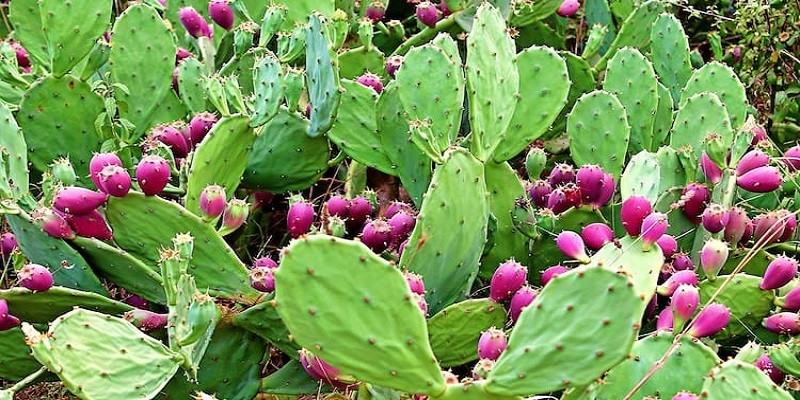
Nopales are the pads of the prickly pear cactus, scientifically known as Opuntia ficus-indica. They are commonly used in Mexican dishes such as salads, soups, and tacos. Nopales are rich in fiber, vitamins, and minerals, making them a nutritious addition to the diet. They have a slightly tart flavor and a texture similar to okra.
Nutritional Value of Nopales
| Nutritional Value | Details |
|---|---|
| Calories | 16 kcal per 100g |
| Carbohydrates | 3g per 100g |
| Fiber | 2g per 100g |
| Protein | 1g per 100g |
| Fat | 0.1g per 100g |
| Calcium | 14% of daily needs per cup |
| Potassium | 10% of daily needs per cup |
| Vitamin C | 15% of daily needs per 100g |
| Vitamin A | 457 IU per 100g |
Risks of Eating Nopales During Pregnancy
Safe Ways to Eating Nopales During Pregnancy
If you choose to consume nopales during pregnancy, it is crucial to do so safely. Ensure they are thoroughly cleaned and cooked to reduce the risk of gastrointestinal issues. Avoid consuming large quantities and consult your healthcare provider before including them in your diet.
Alternatives to Nopales During Pregnancy
| Alternatives | Precautions |
|---|---|
| Spinach | Ensure it is washed thoroughly to remove pesticides. |
| Kale | Consume in moderation to avoid excessive vitamin K intake. |
| Broccoli | Cook well to reduce the risk of foodborne illnesses. |
| Zucchini | Wash and cook properly to ensure safety. |
| Bell Peppers | Wash thoroughly to remove any contaminants. |
Experts Tips
- Consult Your Doctor: Always consult your healthcare provider before adding new foods to your pregnancy diet (source).
- Moderation is Key: If you decide to eat nopales, do so in moderation to avoid potential side effects (source).
- Proper Preparation: Ensure nopales are thoroughly cleaned and cooked to minimize risks (source).
FAQs
Can I eat raw nopales during pregnancy?
No, it is not recommended to eat raw nopales during pregnancy due to the risk of gastrointestinal issues and potential contamination.
Are there any benefits to eating nopales while pregnant?
While nopales are nutritious, the potential risks during pregnancy outweigh the benefits. It is better to opt for safer alternatives.
How should nopales be prepared for safe consumption?
Nopales should be thoroughly cleaned, de-spined, and cooked to reduce the risk of gastrointestinal issues and ensure safety.
Can nopales affect my blood sugar levels during pregnancy?
Yes, nopales can lower blood sugar levels, which can be risky for pregnant women, especially those with diabetes.
What are some safe alternatives to nopales during pregnancy?
Safe alternatives include spinach, kale, broccoli, zucchini, and bell peppers, which provide similar nutritional benefits without the associated risks.
Conclusion
While nopales are a nutritious food, their safety during pregnancy is not well-established. Potential risks such as blood sugar reduction and gastrointestinal issues make it advisable to avoid them during pregnancy. Always consult your healthcare provider before making dietary changes and consider safer alternatives to ensure a healthy pregnancy.