
Last Updated on May 30, 2024
Yes, a pregnant woman can eat pumpkin pie. Pumpkin pie is generally safe to consume during pregnancy as long as it is fully cooked and made with pasteurized ingredients. However, it should be eaten in moderation due to its high sugar and fat content.
Pumpkin pie is a popular dessert, especially during the fall and holiday seasons. For pregnant women, dietary choices are crucial for both maternal and fetal health. This article explores whether pumpkin pie is a safe and nutritious option for expectant mothers, detailing its nutritional value, potential risks, and safe consumption practices.
What is Pumpkin Pie?
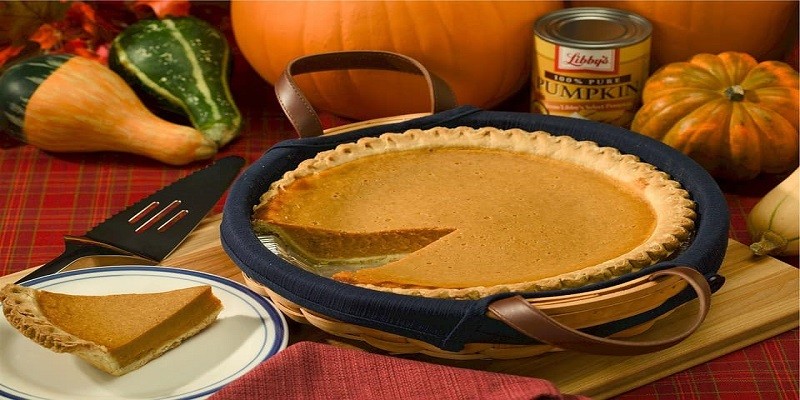
Pumpkin pie is a traditional American dessert made from a spiced, pumpkin-based custard filling baked in a pie crust. The filling typically includes ingredients like pumpkin puree, eggs, sugar, and a blend of spices such as cinnamon, nutmeg, and cloves. It is often served with whipped cream and is a staple at Thanksgiving and Christmas dinners.
Nutritional Value of Pumpkin Pie
Risks of Eating Pumpkin Pie During Pregnancy
Safe Ways to Eat Pumpkin Pie During Pregnancy
To safely enjoy pumpkin pie during pregnancy, ensure it is fully cooked and made with pasteurized ingredients. Opt for homemade versions where you can control the sugar and fat content. Consider smaller portions to manage calorie intake and pair the pie with a healthy side like yogurt to balance the meal.
Alternatives to Pumpkin Pie During Pregnancy
Experts Tips
- Moderation is Key: Enjoy pumpkin pie in small portions to avoid excessive sugar and fat intake.
- Check Ingredients: Ensure all ingredients, especially dairy and eggs, are pasteurized to avoid foodborne illnesses (source).
- Homemade is Better: Making pumpkin pie at home allows you to control the quality and quantity of ingredients.
FAQs
Can I eat store-bought pumpkin pie during pregnancy?
Yes, as long as it is fully cooked and made with pasteurized ingredients. Always check the label for any unpasteurized components.
Is it safe to eat pumpkin pie with whipped cream during pregnancy?
Yes, but ensure the whipped cream is made from pasteurized dairy to avoid the risk of listeriosis.
How much pumpkin pie can I safely eat while pregnant?
Moderation is key. Limit your intake to a small slice to manage sugar and fat consumption.
Can pumpkin pie cause gestational diabetes?
Eating pumpkin pie in large quantities can contribute to excessive sugar intake, which may increase the risk of gestational diabetes. Consume in moderation.
Are there any benefits to eating pumpkin pie during pregnancy?
Pumpkin pie provides essential nutrients like vitamin A and fiber, which are beneficial during pregnancy. However, it should be consumed in moderation due to its high sugar and fat content.
Conclusion
Pumpkin pie can be a safe and enjoyable treat for pregnant women when consumed in moderation and made with pasteurized ingredients. It offers some nutritional benefits but also comes with risks if overconsumed. By following safe eating practices and considering healthier alternatives, expectant mothers can enjoy this seasonal favorite without compromising their health.