
Watching your baby grow and learn is one of the most exciting experiences you’ll have. You want to give your little one the best start, but sometimes it feels overwhelming to know where to begin.
The good news? Supporting your baby’s development doesn’t have to be complicated or time-consuming. With simple, everyday actions, you can help your baby reach important milestones while building a strong bond. Keep reading to discover easy and effective ways you can boost your baby’s growth, right from the comfort of your home.
Your baby’s future starts with what you do today.
Create A Stimulating Environment
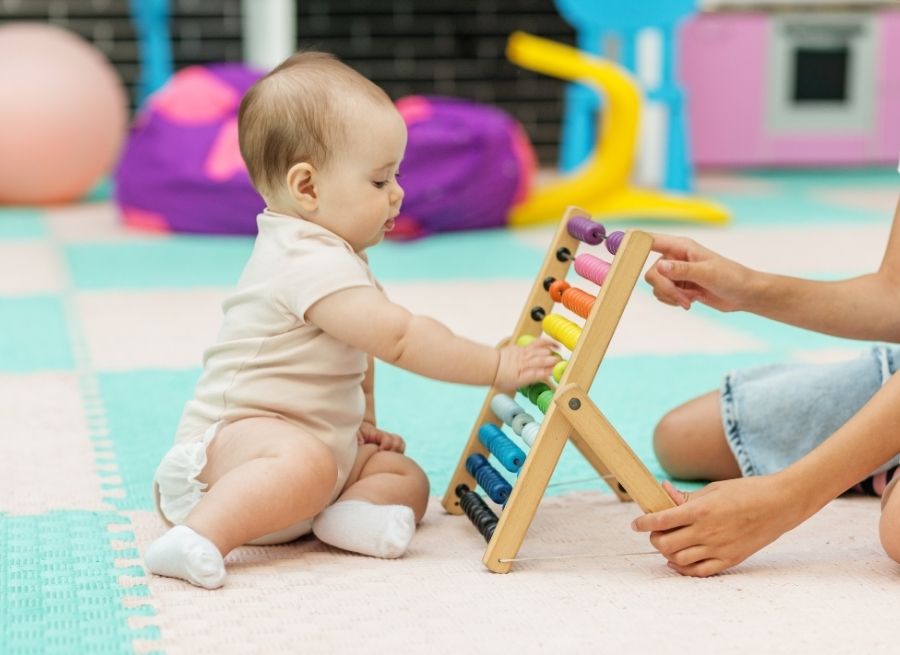
Creating a stimulating environment helps your baby grow and learn every day. Babies explore the world with their senses. A space that encourages safe exploration supports their curiosity and development. Simple changes at home can make a big difference.
Safe Spaces To Explore
Babies need space to move and discover. Clear the floor of sharp or small objects. Use soft mats or rugs to cushion falls. Create a corner where your baby can crawl and play freely. Safety gates help keep them away from dangerous areas. This freedom boosts confidence and motor skills.
Use Of Toys And Books
Choose toys that are easy to hold and safe to chew. Toys with different shapes and textures teach your baby about touch. Board books with bright pictures invite your baby to look and listen. Reading aloud helps language skills and bonding. Rotate toys often to keep your baby interested.
Incorporate Colors And Sounds
Bright colors catch a baby’s attention. Use colorful blankets, toys, and wall decorations. Sounds like rattles or soft music stimulate hearing. Singing or talking to your baby builds early communication. Vary colors and sounds to keep your baby curious and engaged.
Encourage Physical Activity
Encouraging physical activity helps your baby grow strong and healthy. Moving their body builds muscles and improves coordination. It also supports brain development and helps your baby learn new skills. Small, daily activities can make a big difference in your baby’s growth.
Tummy Time Benefits
Tummy time is important for your baby’s physical development. It strengthens neck, shoulder, and arm muscles. This helps your baby lift their head and eventually crawl. Tummy time also prevents flat spots on the head. Try to give your baby tummy time several times a day. Start with a few minutes and increase the time as your baby grows.
Gentle Exercises And Movements
Gentle exercises help your baby learn to move and stretch. Simple movements like bending arms and legs support joint health. Slowly moving your baby’s limbs encourages muscle strength. You can also help your baby roll from back to tummy. These small exercises prepare your baby for crawling and walking later on.
Outdoor Play Opportunities
Outdoor play gives your baby fresh air and new sights to explore. It helps develop balance and coordination on different surfaces. Let your baby crawl or sit on grass and feel the texture. Outdoor time also promotes healthy sleep patterns. Always supervise your baby closely during outdoor activities.
Promote Language Skills
Helping your baby learn to talk is very important. Babies start to understand sounds and words early. You can help by using simple ways every day. Talking, singing, and reading with your baby build strong language skills. Responding to their sounds shows them that communication matters. These small actions make a big difference in your baby’s growth.
Talking And Singing Daily
Talk to your baby often. Describe what you see and do together. Use clear and simple words. Singing songs helps your baby hear different sounds. It also makes learning fun. Your voice is comforting and helps your baby learn language faster.
Reading Together
Read books with your baby every day. Choose books with bright pictures and simple words. Point to pictures and name them. This helps your baby connect words with objects. Reading builds your baby’s listening skills and attention span. It also creates a special time for bonding.
Responding To Baby’s Sounds
Listen carefully when your baby makes sounds. Smile and talk back to them. This shows that you are interested. Copy their sounds and add new ones. This encourages your baby to keep trying to communicate. It builds their confidence and language skills.
Support Emotional Growth
Supporting your baby’s emotional growth helps them feel safe and loved. Emotional development starts early and shapes how your child connects with the world. Babies learn trust and comfort through caring interactions. These simple steps support your baby’s feelings and mood.
Consistent Care And Comfort
Provide steady care to build your baby’s trust. Respond quickly to their cries and needs. Holding and soothing your baby calms them and teaches safety. Routine helps babies know what to expect and feel secure. Consistency in care creates a calm, happy environment.
Recognizing Baby’s Cues
Watch for signals your baby uses to communicate. Babies show hunger, tiredness, or discomfort in many ways. Learning these signs helps you respond properly and fast. This makes your baby feel understood and cared for. Paying attention reduces fussiness and builds strong connection.
Building Secure Attachments
Secure attachments form through loving and reliable care. Smile, talk softly, and make eye contact often. These actions help your baby feel safe and valued. Holding your baby close during feeding or play deepens your bond. A strong attachment supports healthy emotional growth and future relationships.
Maintain Healthy Nutrition

Good nutrition plays a key role in your baby’s growth and brain development. It supports strong bones, healthy skin, and a good immune system. Providing the right foods and fluids helps your baby learn and explore the world.
Breastfeeding And Alternatives
Breast milk offers perfect nutrition for newborns. It has the right balance of vitamins, fats, and proteins. Breastfeeding also helps protect babies from infections. Some mothers may use formula. Infant formula is designed to meet a baby’s nutritional needs. Both breastfeeding and formula can support healthy growth.
Introducing Solid Foods
Start solid foods around six months old. Begin with simple foods like pureed vegetables, fruits, or rice cereal. Introduce one new food at a time. Watch for any reactions or allergies. Solid foods add important nutrients like iron and zinc. They also help develop chewing and swallowing skills.
Hydration Tips
Babies need enough fluids for their bodies to work well. Breast milk or formula provides most fluids for infants under six months. After starting solids, offer small sips of water. Avoid sugary drinks or juice. Proper hydration keeps your baby energetic and healthy.
Establish Routines
Establishing routines helps your baby feel safe and secure. It builds trust and supports healthy growth. Predictable daily patterns make your baby comfortable and calm. Routines also help parents manage the day with less stress.
Regular Sleep Patterns
Babies need plenty of sleep to grow well. Set consistent times for naps and bedtime. A quiet, dark room helps your baby sleep better. Gentle activities before bed can signal it’s time to rest. Regular sleep builds a strong body and mind.
Feeding Schedules
Feeding on a schedule helps your baby feel full and happy. Try to feed at similar times each day. Watch your baby’s hunger cues but keep a routine. This helps digestion and supports steady growth. A calm feeding time creates a loving bond.
Play And Rest Balance
Babies need time to play and explore. Play helps develop muscles and brain skills. After play, your baby needs rest to recover. A balance between activity and quiet time keeps your baby healthy. Rested babies are happier and learn more easily.
Monitor Development Milestones
Monitoring your baby’s development milestones helps you understand their growth. It shows how your baby learns new skills and gains strength. Watching these changes supports early action if something feels off. This keeps your baby on a healthy path.
Tracking Growth Progress
Track your baby’s physical growth regularly. Measure height, weight, and head size often. These numbers show if your baby grows well. Note changes in movement and behavior too. Simple daily observations give good clues.
When To Seek Advice
Seek advice if milestones are missed for several months. For example, if your baby does not smile by three months. Or if they cannot sit up by eight months. Talk to a doctor or a child development expert. Early help can make a big difference.
Using Developmental Checklists
Use checklists to compare your baby’s skills with typical milestones. Checklists list common abilities by age. They help spot skills your baby has or needs. Keep the checklist handy for regular review. It guides you to support your baby well.
Frequently Asked Questions
How Can I Boost My Baby’s Brain Development?
Engage your baby with talking, singing, and reading daily. These activities stimulate brain growth and language skills. Provide a safe environment for exploration. Offer varied sensory experiences like textures and sounds to enhance cognitive development.
What Are Simple Ways To Encourage Motor Skills?
Encourage tummy time to strengthen muscles. Offer toys that promote reaching and grasping. Allow your baby to practice sitting and crawling. These activities help develop coordination and physical strength naturally.
How Important Is Play In Baby Development?
Play is essential for learning and growth. It supports cognitive, social, and emotional skills. Interactive play with caregivers builds trust and communication. Simple games like peekaboo foster memory and attention in babies.
When Should I Start Reading To My Baby?
Start reading from birth to build language skills early. Choose colorful, simple books with clear pictures. Reading aloud promotes bonding and listening abilities. Make storytime a fun, daily routine to nurture a love for books.
Conclusion
Supporting your baby’s growth takes time and patience. Small daily actions help build strong skills. Talk, play, and read with your baby often. These moments create bonds and boost learning. Watch your baby’s cues and respond kindly. Celebrate each new milestone with joy.
Your care shapes a happy, healthy child. Keep it simple, loving, and consistent. This support makes a big difference every day.