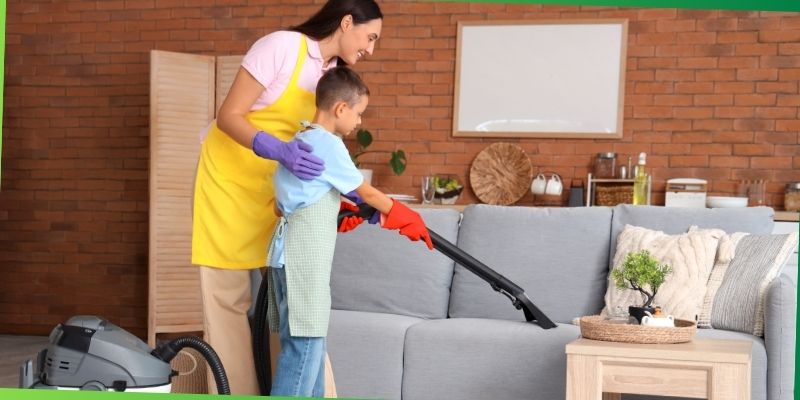
Teaching your kids responsibility at home can feel like a challenge, but it’s one of the most valuable lessons you can give them. When children learn to take charge of their actions and chores, they gain confidence and independence.
Imagine your child waking up, ready to help without being asked, or managing their homework on their own. Sounds great, right? You’ll discover simple, practical steps that make teaching responsibility easy and even fun. Keep reading, because these tips can change the way your family works together—and make your daily life smoother, too.
Set Clear Expectations
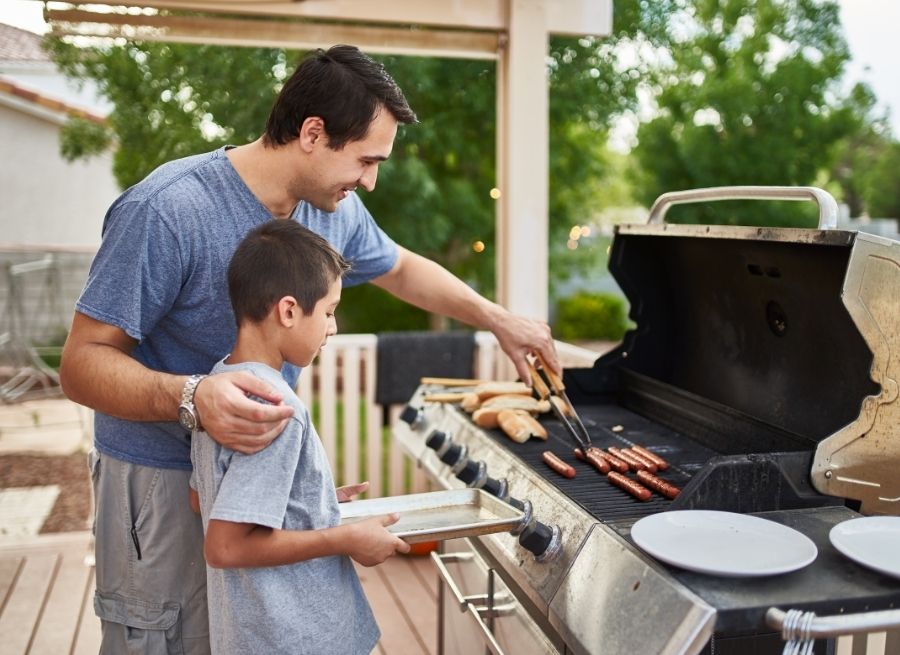
Setting clear expectations is key to teaching kids responsibility at home. Kids need to know what is expected of them. Clear rules and tasks help them understand their role. This creates a sense of security and order.
When expectations are clear, children learn to manage their duties better. They feel more confident and less confused. This approach builds good habits early on.
Create Age-appropriate Tasks
Choose tasks that fit your child’s age and skills. Younger kids can start with simple chores like picking up toys. Older kids can handle more complex tasks like setting the table or helping with laundry. Age-appropriate tasks avoid frustration and encourage success.
Make sure the tasks are clear and easy to follow. Give step-by-step instructions if needed. This helps kids complete their jobs correctly and feel proud of their work.
Establish Consistent Rules
Set simple, clear rules that stay the same every day. Consistency helps kids remember what they must do. It also makes expectations fair and predictable. Avoid changing rules often to prevent confusion.
Explain the reasons behind each rule. Kids understand better when they know why rules matter. Praise them when they follow rules well. Positive feedback motivates responsible behavior.
Use Positive Reinforcement
Using positive reinforcement helps kids learn responsibility in a kind and effective way. Praise and rewards guide children to repeat good behaviors. This method builds their confidence and motivation. It shows children that their efforts matter and are noticed.
Positive reinforcement creates a supportive home environment. Kids feel safe to try new tasks and make mistakes. They learn that responsibility is a positive part of daily life. This approach helps develop lifelong habits of accountability and care.
Celebrate Small Achievements
Recognize even the little tasks your child completes. Saying “Great job” after putting toys away encourages them. Small wins build their sense of success. These moments make responsibility feel rewarding and fun. Children want to keep doing good work when they see progress.
Encourage Effort Over Outcome
Focus on the effort your child puts in, not just results. Praise trying hard, even if the task is not perfect. This helps kids understand that effort leads to growth. They become less afraid of failure and more willing to try. Encouraging effort boosts their persistence and responsibility.
Model Responsible Behavior
Teaching kids responsibility starts with parents showing how to be responsible. Children learn by watching adults. When parents act responsibly, kids copy their behavior. This helps build strong habits early.
Modeling responsibility means doing what you say and managing daily tasks well. It sets clear examples for children to follow. This approach encourages them to take charge of their duties at home.
Show Accountability
Admit mistakes openly. This teaches kids it is okay to be wrong. Taking ownership of errors helps children understand honesty and trust. Explain what you will do to fix problems. This shows solutions matter more than blame.
Keep promises consistently. If you say you will do something, do it. Kids notice when words match actions. This builds respect and reliability.
Demonstrate Time Management
Plan your day clearly. Use calendars or lists in front of your children. This shows organizing time is important. Set specific times for tasks and breaks.
Finish chores and work on time. This proves deadlines can be met. Kids learn the value of managing their time well. Avoid rushing or leaving tasks undone. It teaches discipline and focus.
Teach Problem-solving Skills
Teaching problem-solving skills helps kids handle challenges on their own. It builds their confidence and makes them responsible. Kids learn to think, choose, and fix problems instead of avoiding them.
These skills shape how children face daily tasks and bigger issues. Parents can guide kids through simple steps to solve problems at home.
Encourage Decision Making
Let children make small choices daily. Should they wear the blue shirt or the red one? Which snack do they want after school? These choices teach kids to weigh options and decide.
Support their decisions and ask why they chose that. This helps them think clearly and trust their judgment. Giving kids the chance to decide builds independence and responsibility.
Discuss Consequences
Help kids understand what happens after each choice. If they forget homework, they might get a lower grade. If they clean their room, they enjoy a tidy space.
Talking about results connects actions and outcomes in their minds. It shows that choices have effects, good or bad. This understanding encourages kids to think before acting.
Assign Chores Effectively
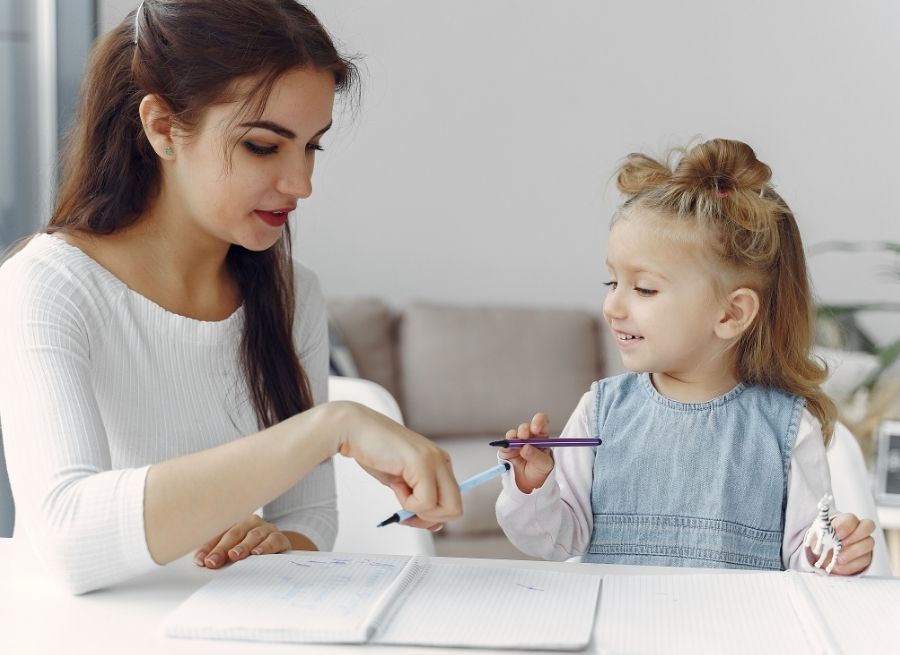
Assigning chores is a great way to teach kids responsibility at home. It helps them learn important life skills. Chores also show children how their work supports the family. Assign tasks that fit each child’s age and abilities. Clear instructions help kids understand what to do. Keep chores simple and manageable to avoid frustration. Praise their efforts to encourage consistent participation.
Rotate Household Duties
Rotating chores keeps tasks fresh and prevents boredom. Kids try different jobs and learn new skills. It also teaches fairness by sharing responsibilities. Create a simple schedule to rotate duties weekly. This helps kids know their tasks and when to do them. Rotation builds a sense of teamwork in the family. Everyone feels involved and valued.
Make Chores Fun And Engaging
Turning chores into a game makes work enjoyable. Use timers to create friendly competitions. Play music to lift the mood during tasks. Offer small rewards to motivate kids to finish chores. Praise good work to build confidence and pride. Making chores fun helps kids form positive habits. They learn responsibility without feeling burdened.
Create Routines And Schedules
Creating routines and schedules helps kids learn responsibility in a clear way. Kids feel safe and confident when they know what to expect. Routines teach them to manage time and complete tasks on their own.
Consistent schedules build habits. These habits turn into responsibility. Kids understand their duties and see the results of their work. This strengthens their sense of achievement and independence.
Use Visual Aids
Visual aids make routines easier to follow. Charts, calendars, or checklists show tasks clearly. Kids can see what they need to do and when.
Use pictures or symbols for younger children. This helps them understand without reading. Place visual aids where kids can easily see them every day.
Visual aids also allow kids to mark completed tasks. This gives a sense of progress and pride. It motivates them to keep up with their responsibilities.
Involve Kids In Planning
Let kids help create the schedule. Ask them what tasks they want to do. This makes them feel important and respected.
Talk about times for play, chores, and homework. Balance helps prevent stress or boredom. Kids learn to prioritize and make good choices.
When kids plan, they take ownership of their routines. They are more likely to follow through. This builds responsibility naturally and positively.
Promote Financial Responsibility
Teaching kids about money helps them grow into responsible adults. Financial responsibility starts at home. Kids learn best through practice and clear examples. Parents can guide them by making money lessons simple and fun.
Understanding money’s value helps children make smart choices. It builds skills like saving, spending wisely, and planning ahead. These habits form a strong foundation for their future.
Introduce Allowance Systems
Giving kids a regular allowance teaches money management. It shows how to earn and use money responsibly. Decide on an amount that fits your family budget. Explain that the money is for personal spending and saving.
Set simple rules about what the allowance covers. Allowance can motivate kids to save for things they want. It also helps them learn consequences if they spend carelessly. This hands-on experience is better than just talking about money.
Teach Budgeting Basics
Budgeting is a key skill for financial responsibility. Help kids divide their allowance into parts: spend, save, and share. This teaches planning and self-control. Use jars or envelopes to make it visual and clear.
Show how to track spending and saving. Encourage setting small goals like buying a toy or a book. Celebrate when they reach these goals to keep them motivated. Budgeting skills build confidence and good habits early.
Encourage Independence
Encouraging independence helps children build confidence and learn responsibility. It teaches them to think on their own and handle small tasks. Parents can guide kids while letting them try new things. This balance helps children feel capable and trusted at home.
Giving kids chances to make choices and manage tasks boosts their sense of control. It also shows them how to face consequences and solve problems. These skills prepare them for bigger challenges later in life.
Let Kids Make Choices
Allow children to make simple decisions daily. Choices like picking clothes or snacks give them control. This teaches decision-making and personal preference. Start with easy options, then offer more as they grow. Respect their choices to build trust and self-esteem.
Support Self-management
Help kids organize their time and tasks independently. Use charts or reminders to guide them. Encourage setting small goals and checking progress. Praise their efforts to reinforce good habits. Self-management skills help kids handle responsibilities with less help.
Handle Mistakes Positively
Handling mistakes positively is key to teaching kids responsibility. Mistakes are part of learning. Children need to see errors as chances to grow. How parents respond shapes their attitude toward challenges. A positive approach builds confidence and encourages problem-solving skills.
Focus On Learning
Instead of blaming, ask what your child learned from the mistake. Discuss what can be done differently next time. Help them understand that errors help improve skills. Celebrate effort and progress, not just success. This mindset helps kids take responsibility for their actions.
Avoid Punitive Responses
Harsh punishments can make children afraid to try again. Fear blocks learning and makes kids hide their mistakes. Use calm words to explain what went wrong. Guide them gently toward fixing the problem. This shows that mistakes are normal and fixable.
Frequently Asked Questions
How Can I Start Teaching Responsibility To Kids?
Begin with simple tasks like tidying up toys or setting the table. Use clear instructions and praise their efforts to build confidence.
What Age Is Best To Teach Kids Responsibility?
Children can start learning responsibility as early as 2 to 3 years old with age-appropriate chores and guidance.
How Do I Motivate Kids To Be Responsible At Home?
Use positive reinforcement like praise, rewards, and consistent routines to encourage responsible behavior and build good habits.
What Chores Are Suitable For Young Children?
Simple chores like making their bed, feeding pets, or putting dirty clothes in the hamper are perfect for young kids.
Conclusion
Teaching kids responsibility starts with small, clear tasks at home. Praise their efforts to build confidence and good habits. Set consistent rules and routines to help them stay focused. Let children learn from mistakes without fear or blame. Over time, responsibility becomes part of their daily life.
This helps them grow into caring, capable adults. Keep patience and stay positive throughout the process. Little steps today lead to big success tomorrow. Responsibility is a skill that lasts a lifetime.