
Building a strong bond with your children is one of the most rewarding things you can do. When you connect deeply, your kids feel safe, loved, and understood.
But sometimes, life gets busy, and those special moments slip away. What if you could learn simple, effective ways to strengthen your relationship starting today? You’ll discover practical tips that help you create lasting memories and grow closer with your children.
Keep reading to unlock the secrets to building stronger bonds that will bring joy to your whole family.

Create Quality Time
Spending quality time with your children helps build stronger bonds. It creates moments of joy and trust. These moments show your kids they matter to you. Quality time means focusing fully on your child without distractions. It is about making memories together.
Set Regular Family Activities
Plan activities your family enjoys regularly. It can be a weekly movie night or a weekend picnic. Regular activities give children something to look forward to. They help create a routine of togetherness. Choose simple activities that everyone can join in.
Limit Screen Time Together
Turn off phones, tablets, and TVs during family time. Screens often distract and reduce real interaction. Without screens, conversations flow more naturally. Children feel heard and valued. Use this time to talk, laugh, or play games together.
Encourage Shared Hobbies
Find hobbies both you and your children like. It could be cooking, gardening, or drawing. Shared hobbies bring fun and learning. They also create teamwork and trust. Spend time exploring these interests side by side.
Improve Communication
Good communication forms the heart of strong relationships with children. It builds trust and helps children feel safe. Clear and kind talk brings families closer. It also teaches children how to express themselves well. Improving communication takes practice and patience. Here are simple ways to make your talks with children better.
Practice Active Listening
Focus fully on your child when they speak. Look into their eyes and nod to show you hear them. Avoid interrupting or finishing their sentences. Repeat what they say to confirm understanding. This shows respect and care. Listening well helps children open up more.
Use Positive Language
Choose words that encourage and uplift your child. Say “You did a great job” instead of “That was bad.” Positive words build self-esteem and motivation. They create a warm, safe space for talking. Stay calm and gentle, even during tough talks.
Encourage Open Expression
Invite your child to share thoughts and feelings freely. Ask simple questions like “How was your day?” or “What made you happy?” Accept their feelings without judgment. Let them know all emotions are okay. Open talks help children feel understood and loved.
Show Unconditional Support
Showing unconditional support is key to building strong bonds with your children. It means standing by them without judging or setting conditions. This support helps children feel safe and valued. It encourages them to share their thoughts and feelings openly.
Being there through good times and bad shows your child that your love does not depend on success or failure. This creates a deep sense of trust and belonging. Let’s explore how to show unconditional support in practical ways.
Celebrate Achievements
Recognize your child’s efforts and successes, no matter how small. Praise encourages confidence and motivation. Celebrate milestones with joy and enthusiasm. This shows your child that their hard work matters to you. It also helps build positive self-esteem.
Provide Comfort During Challenges
Offer a listening ear when your child faces difficulties. Comfort them without rushing to fix the problem. Your calm presence helps them feel understood and less alone. Support during hard times teaches resilience and emotional strength.
Respect Their Individuality
Accept your child’s unique personality and interests. Avoid comparing them to others or pushing them to be someone else. Respecting their choices shows you value who they truly are. This respect builds a strong connection based on trust and acceptance.
Establish Trust
Building trust with your children creates a strong foundation for your relationship. Trust makes children feel safe and valued. It helps them open up and share their thoughts freely. Trust grows over time through actions and words that show care and honesty.
Be Reliable And Consistent
Children notice when parents act the same way every day. Being reliable means showing up when you say you will. It means following daily routines and rules firmly but kindly. Consistency helps kids feel secure. It teaches them what to expect and builds their confidence in you.
Keep Promises
Promises are powerful tools for trust. When you make a promise, keep it. Breaking promises can hurt your child’s feelings and trust in you. If something changes, explain it honestly. Your words should mean something. Keeping promises shows respect and care.
Respect Privacy
Respecting your child’s privacy helps build trust too. Give them space to have their own thoughts and secrets. Avoid spying or rushing to judge. Show that you trust them. Respect makes children feel valued as individuals. It encourages them to trust you back.
Promote Emotional Intelligence
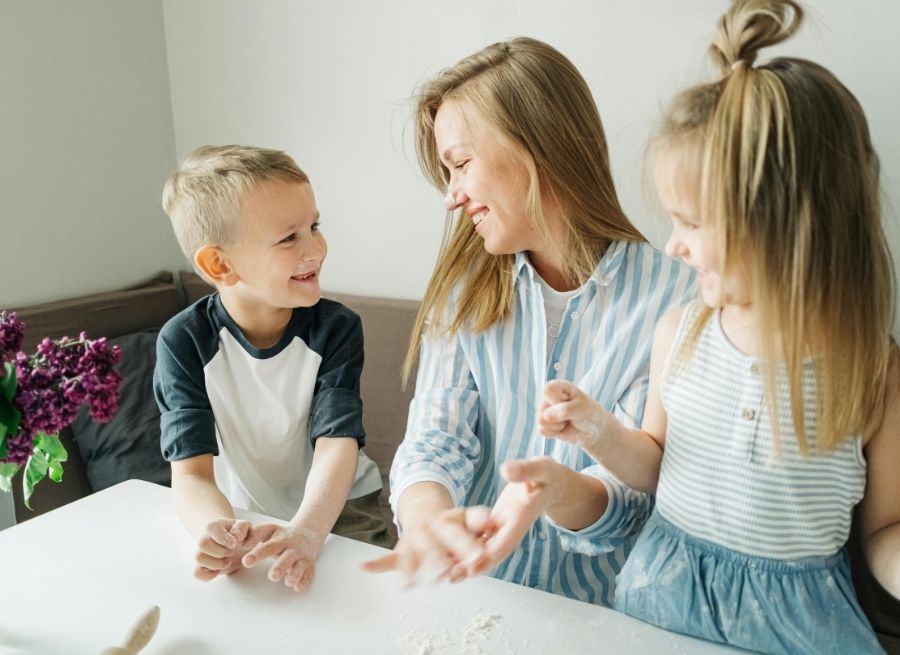
Promoting emotional intelligence in children helps build strong and lasting bonds. It teaches them to understand their own feelings and those of others. Emotional skills also improve communication and reduce conflicts. Parents play a key role in guiding children through this learning process.
Teach Empathy
Empathy means understanding how others feel. Encourage your child to think about other people’s emotions. Ask questions like, “How do you think your friend feels?” This helps children practice seeing things from different views. Empathy strengthens relationships and shows kindness.
Help Identify Feelings
Children often struggle to name their feelings. Help them put words to their emotions. Use simple terms like happy, sad, angry, or scared. Talk about your own feelings too. This practice makes emotions less confusing and easier to share.
Model Healthy Emotional Responses
Children learn by watching their parents. Show calm and respectful ways to handle strong emotions. Let them see you take deep breaths or talk about your feelings. This teaches children how to respond in tough situations. Healthy emotional habits create a safe family environment.
Encourage Independence
Encouraging independence helps children grow confident and responsible. It shows them you trust their abilities. This trust strengthens your bond and helps them learn important life skills. Giving children space to try things on their own builds their self-esteem and decision-making skills.
Allow Decision Making
Let your child make simple choices daily. This could be picking their clothes or choosing a snack. These small decisions teach them to think and decide. It also shows you respect their opinions. Guide them gently but allow their voice to be heard.
Support Problem Solving
Encourage your child to find solutions to problems. Ask questions like, “What do you think we should do?” Help them think of options. Avoid giving immediate answers. This practice builds critical thinking and independence. Celebrate their efforts, even if the solution isn’t perfect.
Set Age-appropriate Responsibilities
Give tasks suited to your child’s age and skills. Simple chores, like tidying toys or setting the table, work well. Responsibilities teach accountability and pride in their work. Check in regularly and offer help when needed. This balance helps children feel capable and supported.
Create Family Traditions
Creating family traditions helps build strong bonds with your children. Traditions give your family a sense of belonging and stability. They create lasting memories that children cherish as they grow. These rituals and celebrations make everyday life special and meaningful.
Celebrate Special Occasions
Mark birthdays, holidays, and milestones with unique family activities. Simple celebrations like a special meal or a fun outing make children feel loved. These events become moments your children look forward to every year. They learn the value of family and togetherness.
Develop Meaningful Rituals
Daily or weekly rituals create a steady rhythm in family life. This can include bedtime stories, weekend walks, or Sunday dinners. Such routines build trust and security for your children. Rituals help children feel connected and supported.
Encourage Participation
Involve children in planning and carrying out traditions. Let them choose activities or help prepare meals. This gives children a sense of responsibility and pride. Participation makes family traditions more fun and memorable for everyone.
Frequently Asked Questions
How Can I Improve Communication With My Children?
Improving communication requires active listening and empathy. Spend quality time, ask open-ended questions, and show genuine interest. Avoid interrupting and validate their feelings to build trust and openness.
What Activities Help Strengthen Parent-child Bonds?
Engage in shared hobbies like cooking, sports, or reading. Regular family outings and game nights foster connection. Consistent, positive interactions create lasting memories and deeper emotional bonds.
How Does Positive Reinforcement Affect Child Bonding?
Positive reinforcement boosts children’s confidence and encourages good behavior. Praising effort and achievements strengthens your relationship and motivates children to communicate openly and cooperate willingly.
Why Is Spending Quality Time Important For Bonding?
Quality time shows children they are valued and loved. It builds security and trust, enhancing emotional connection. Consistent attention helps children feel understood and supported in their growth.
Conclusion
Building strong bonds with your children takes time and care. Small moments of sharing feelings and listening matter a lot. Show love through actions, not just words. Create routines that bring you closer every day. Trust grows when kids feel safe and heard.
Keep patience, and stay present in their lives. Strong bonds help children feel happy and confident. Remember, every effort counts in building lasting connections. Keep nurturing your relationship with kindness and attention. Your children will thank you with love and trust.