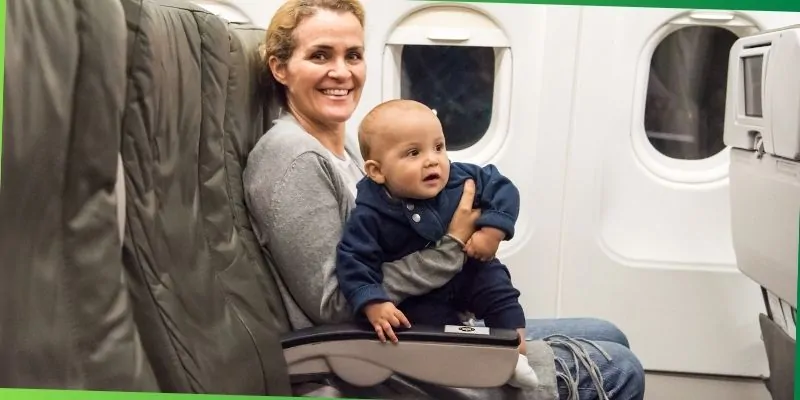
Traveling with your little one can be exciting, but it also comes with its own set of challenges. You want to keep your baby or toddler safe and comfortable every step of the way.
Imagine having simple, easy-to-follow tips that make your trip smoother and less stressful. You’ll discover essential safety advice that helps you protect your child and enjoy your travels more. Keep reading to learn how to prepare, stay alert, and handle unexpected situations with confidence.
Your peace of mind and your child’s safety are just a few tips away.
Preparing For The Trip
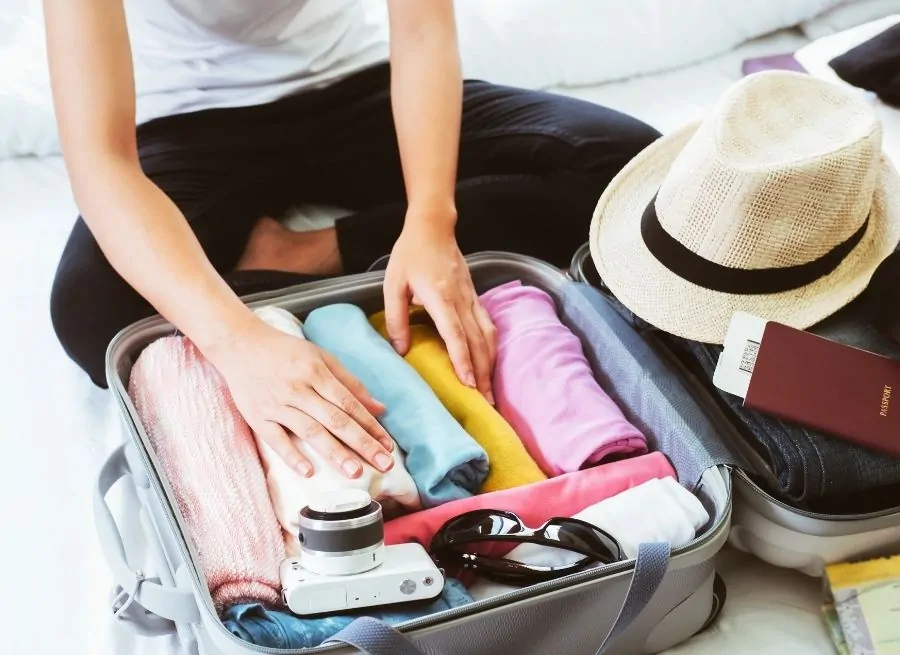
Preparing for a trip with babies and toddlers needs careful thought. Safety and comfort are top priorities. Planning ahead reduces stress and keeps your child happy. This section covers key points to get ready.
Packing Essentials
Pack enough diapers and wipes for the whole trip. Bring extra clothes for quick changes. Include baby food or snacks your child likes. Don’t forget favorite toys or blankets for comfort. A first-aid kit is a must. Always carry any medicines your child needs. Keep items organized for easy access during travel.
Choosing The Right Gear
Pick a sturdy car seat that fits your vehicle. Make sure it meets safety standards. Use a lightweight stroller that folds easily. Check if it suits different terrains. A baby carrier can be handy for busy places. Choose gear that is easy to clean and carry. Test all equipment before the trip to avoid surprises.
Planning Travel Itinerary
Plan shorter travel segments to avoid tiring your child. Schedule frequent breaks for feeding and changing. Choose accommodations with child-friendly facilities. Avoid busy times to reduce stress in airports or stations. Keep daily activities simple and flexible. Allow extra time for unexpected delays or naps. This helps keep the trip smooth and safe.
Traveling By Car
Traveling by car with babies and toddlers needs careful planning. Safety and comfort are the top priorities. Small kids require special attention on the road. Parents should prepare their car and supplies before starting the trip. Follow simple steps to keep children safe and happy during travel.
Installing Car Seats Safely
Always use the right car seat for your child’s age and size. Follow the car seat manual carefully. Check that the seat is tightly secured to the car. The straps must fit snugly around your child. Avoid bulky clothes under the straps. Rear-facing seats are safer for babies and toddlers. Double-check the installation before every trip. Use a car seat inspection station if unsure.
Keeping Children Comfortable
Dress your child in soft, layered clothing. This helps adjust to temperature changes easily. Use sunshades on windows to block bright sunlight. Bring a favorite blanket or toy for comfort. Make sure the car is well-ventilated but avoid direct drafts. Keep the car calm and quiet to help children relax. Talk or sing softly to soothe them during the ride.
Managing Breaks And Snacks
Plan regular stops every two hours or so. Let children stretch and move around safely. Bring healthy snacks and water to avoid hunger and fussiness. Avoid messy or sticky foods that can cause stress. Use spill-proof cups for drinks. Clean hands before eating to prevent germs. Short breaks help keep children refreshed and calm.
Flying With Little Ones
Flying with babies and toddlers can be challenging but manageable. Planning ahead helps reduce stress. Knowing simple tips makes the trip smoother for you and your child.
Small children need extra care during flights. Their comfort and safety come first. Keep calm and stay prepared for any situation.
Booking Flights And Seats
Choose flights at times when your child usually sleeps. Early morning or late evening flights can work well. Book seats with extra legroom if possible. Request bulkhead seats for more space. Some airlines offer bassinets for babies. Always check the airline’s policies before booking. Reserve seats early to get the best options.
Handling Security Checks
Prepare your child for security checks calmly. Explain what will happen in simple words. Use a stroller or baby carrier to move quickly. Remove shoes and jackets for faster screening. Liquids like milk or formula are allowed but declare them. Pack all essential items in an easy-to-reach bag. Stay patient and polite with security staff.
Easing Ear Pressure
Ear pain can upset little ones during takeoff and landing. Encourage swallowing to help ease pressure. Offer a bottle, pacifier, or sippy cup. Older toddlers can chew gum or suck on candy. Keep your child calm and distracted with toys or songs. Avoid sleeping during descent if possible. Watch for signs of discomfort and comfort your child immediately.
Staying Safe On Public Transport
Traveling with babies and toddlers on public transport can be challenging. Safety becomes the top priority for parents and caregivers. Staying alert and prepared helps keep your little ones safe during the journey. Simple steps can prevent accidents and stress while using buses and trains.
Navigating Buses And Trains
Choose seats near the doors for easy access. Hold your child’s hand firmly when boarding or leaving. Use a stroller or carrier designed for public transport. Always fasten your child securely in a stroller. Avoid standing if the bus or train is crowded. Keep your child seated to prevent falls.
Keeping An Eye On Children
Stay close to your child at all times. Make eye contact often to reassure them. Use child safety harnesses if needed. Teach your toddler to stay near you. Watch for sudden movements or distractions. Be ready to catch your child quickly if needed.
Avoiding Crowded Areas
Pick travel times with fewer passengers. Avoid rush hours to reduce stress and risk. Stand or sit away from busy doors. Look for less crowded cars or buses. Less noise and space help your child feel calm. Crowded places increase the chance of accidents or losing sight of your child.
Health And Hygiene Tips
Traveling with babies and toddlers requires extra care for their health and hygiene. Keeping them safe from germs and illnesses is important. Cleanliness and quick access to medical supplies help prevent problems. Here are some key tips to keep your little ones healthy on the go.
Packing A Travel First Aid Kit
Always carry a small first aid kit designed for children. Include items like band-aids, antiseptic wipes, and baby-safe pain relievers. Pack any prescribed medicines your child needs. A digital thermometer helps check for fever quickly. Having these essentials ready saves time and worry.
Maintaining Cleanliness
Wash your child’s hands often with soap and water. Use hand sanitizer when washing is not possible. Clean toys and pacifiers regularly to stop germs. Carry disinfectant wipes to clean surfaces like airplane trays. Keeping your child’s environment clean lowers the risk of sickness.
Dealing With Illnesses
Watch for signs of illness such as fever or tiredness. Keep your child hydrated by offering plenty of fluids. Rest is important if they feel unwell. Consult a doctor if symptoms worsen or last more than a day. Early care helps your child recover faster while traveling.
Managing Sleep And Routine
Traveling with babies and toddlers can disrupt their sleep and daily routine. Managing their sleep well helps keep them calm and happy. A steady routine makes the trip easier for both the child and the parents. Here are some tips to help maintain sleep and routine while traveling.
Creating A Familiar Sleep Space
Bring items from home to make the sleep space familiar. A favorite blanket or stuffed toy can help comfort your child. Use a portable crib or travel bed that your child knows. Keep the sleeping area dark and quiet to encourage rest. These small touches help your baby or toddler feel safe.
Adjusting To Time Zones
Change your child’s schedule slowly to match the new time zone. Shift bedtime by 15 to 30 minutes each day before travel. After arrival, expose your child to natural daylight to reset their body clock. Avoid naps too close to bedtime to promote nighttime sleep. Patience is key as the child adapts to new times.
Keeping Naptimes Consistent
Stick to usual nap times as much as possible. Find quiet places for your child to nap during travel. Use familiar sleep cues like lullabies or rocking to help them relax. Consistent naps prevent overtiredness and meltdowns. Even short naps can recharge your child’s energy for the day.
Handling Emergencies
Handling emergencies while traveling with babies and toddlers requires calm and quick action. Being prepared helps protect your little one in unexpected situations. Knowing what to do can reduce stress and keep your child safe.
Contact Numbers And Documents
Keep important phone numbers saved and written down. Include your pediatrician’s contact and local emergency services. Carry identification and medical documents for your child. These items help in urgent situations and speed up care.
Recognizing Signs Of Distress
Watch for unusual behavior or physical signs in your child. Look for trouble breathing, persistent crying, or high fever. Early detection of these signs helps you act fast. Trust your instincts if something feels wrong.
Finding Medical Help Abroad
Research nearby hospitals and clinics before traveling. Know where to find English-speaking doctors or pediatric specialists. Ask your hotel or local contacts for reliable medical advice. Having this information ready saves valuable time in emergencies.
Engaging And Calming Techniques
Traveling with babies and toddlers can be challenging. Keeping them calm and engaged helps make the journey smoother. Using simple techniques can prevent fussiness and stress. These methods keep little ones happy and safe during trips.
Travel-friendly Toys And Games
Choose small, lightweight toys that are easy to carry. Soft books and stacking cups work well. Interactive toys with buttons or lights hold attention. Avoid noisy toys that may disturb others. Simple puzzles and finger puppets also keep kids busy.
Comforting Strategies
Bring familiar blankets or stuffed animals for comfort. Gentle rocking or soft singing soothes restless children. Use pacifiers or teething rings if needed. Speak in calm, soft tones to ease anxiety. Holding hands or cuddling reassures and relaxes them.
Keeping Children Occupied
Plan short activities to match their attention span. Offer snacks and drinks to distract and satisfy. Play simple games like “I spy” or sing songs together. Change activities regularly to prevent boredom. Use tablets or phones for educational videos only if necessary.
Frequently Asked Questions
How Can I Keep My Baby Safe During Air Travel?
Always use an FAA-approved car seat on the plane for your baby. Keep them securely buckled during takeoff and landing. Bring familiar items like a blanket or toy to comfort your baby. Monitor cabin temperature and stay hydrated to ensure their comfort.
What Are Essential Safety Items For Toddler Travel?
Pack a first aid kit, child ID bracelet, and sun protection. Bring snacks, water, and favorite toys to keep toddlers engaged. Use a harness or stroller with safety straps in crowded places. Always carry emergency contact information and necessary medications.
How To Prevent Toddler Injuries While Traveling By Car?
Use a properly installed, age-appropriate car seat for your toddler. Ensure the seat is rear-facing as long as possible. Never leave your child unattended in the car. Keep small objects out of reach to avoid choking hazards during the drive.
What Are Best Practices For Safe Hotel Stays With Babies?
Choose baby-friendly hotels with safety features like outlet covers and crib availability. Always check the room for hazards like loose cords or sharp edges. Use the provided crib or bring a portable travel crib. Never leave your baby unattended on high surfaces.
Conclusion
Traveling with babies and toddlers can be safe and fun. Plan ahead and pack all essentials. Keep a close eye on your little ones at all times. Choose baby-friendly accommodations and transport options. Always carry snacks, water, and comfort items.
Take breaks often to avoid stress and tiredness. Stay calm and flexible when plans change. These simple steps help protect your family. Enjoy every moment and create lasting memories together. Safety first, happiness always.