
Last Updated on September 27, 2026
Getting ready for your baby’s arrival is exciting, but it can also feel overwhelming. There’s so much to learn and prepare for, and you might be wondering where to start.
You want to make sure everything is just right for your little one’s first moments and beyond. This guide will help you focus on the most important things you need to know before your baby comes. By the time you finish reading, you’ll feel more confident and ready to welcome your new family member with open arms.
Keep reading—you won’t want to miss these essential tips!

Preparing Your Home
Preparing your home for a baby is an exciting step. It helps create a safe and comfortable space. This preparation eases the transition for both parents and baby. Focus on three key areas: setting up the nursery, baby-proofing essentials, and stocking up on supplies.
Setting Up The Nursery
Choose a quiet room with good light for the nursery. Pick a crib that meets safety standards. Place it away from windows and cords. Add a changing table with storage nearby. Keep the room simple to avoid clutter. Soft colors help create a calm atmosphere. Include a rocking chair for feeding and soothing. Keep baby clothes and diapers within easy reach.
Baby-proofing Essentials
Start baby-proofing early to prevent accidents. Cover electrical outlets with safety plugs. Secure furniture to the wall to stop tipping. Use corner guards on sharp edges. Install baby gates at stairs and doorways. Keep small objects and choking hazards out of reach. Check that cords from blinds or curtains are tied up. Remove heavy items that could fall on the baby.
Stocking Up On Supplies
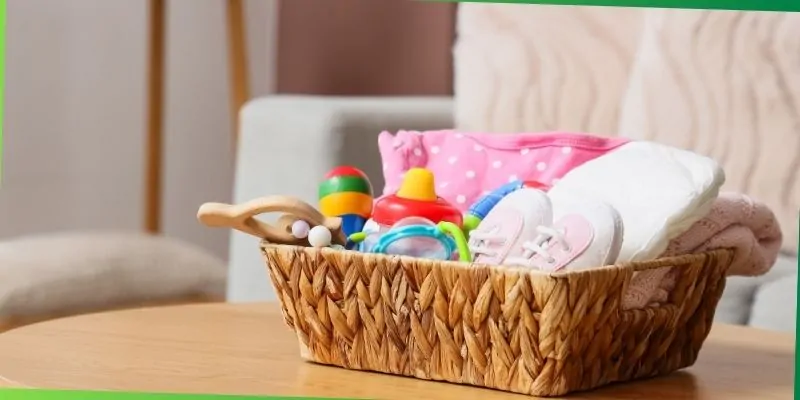
Gather necessary baby supplies before the birth. Have plenty of diapers in different sizes. Buy gentle wipes and diaper rash cream. Stock up on baby clothes, including onesies and sleepers. Keep blankets and swaddles ready. Prepare bottles, formula, or breastfeeding supplies. Have a baby first aid kit on hand. Keep everything organized for quick access.
Health And Wellness
Health and wellness are key parts of preparing for your baby’s arrival. Taking care of your body helps your baby grow strong. Planning ahead makes the first months easier. Focus on your health and your baby’s health together.
Prenatal Care Tips
Visit your doctor regularly during pregnancy. These visits track your baby’s growth and your health. Eat healthy foods rich in vitamins and minerals. Drink plenty of water to stay hydrated. Avoid alcohol, tobacco, and harmful substances. Rest well and manage stress to support your body.
Choosing A Pediatrician
Find a doctor you trust for your baby’s care. Ask about their experience and approach to children’s health. Check if they accept your insurance. Visit the office to see if it feels comfortable. Choose someone who answers your questions clearly.
Vaccinations And Screenings
Vaccinations protect your baby from serious diseases. Learn about the vaccines your baby needs and their schedule. Newborn screenings check for health issues early. These tests help catch problems before symptoms appear. Keep a record of all vaccines and screenings for future visits.
Birth Plan Basics
Creating a birth plan helps you prepare for your baby’s arrival. It outlines your wishes for labor and delivery. This plan guides your healthcare team to support your choices. It also reduces stress during childbirth. Keep your plan clear and flexible. Expect some changes as labor progresses.
Labor And Delivery Options
You can choose from many ways to give birth. Natural birth lets your body lead the process. Some prefer water birth for comfort and relaxation. Others may need a cesarean section for safety. Talk to your doctor about all options. Know the pros and cons before deciding.
Packing Your Hospital Bag
Pack your bag early to avoid last-minute rush. Include clothes for you and the baby. Don’t forget important documents and insurance cards. Bring comfort items like slippers and a robe. Add toiletries and snacks for energy. A phone charger is essential too. Keep your bag ready by the 36th week.
Understanding Pain Relief Choices
Pain relief helps manage labor discomfort. Options include natural methods like breathing and massage. Medicines like epidurals provide stronger relief. Some women use nitrous oxide to relax. Discuss all pain relief types with your doctor. Choose what feels right for you and your baby.
Feeding Your Newborn
Feeding your newborn is one of the first and most important tasks as a new parent. Babies need regular feeding to grow strong and stay healthy. You can choose breastfeeding, formula feeding, or a mix of both. Each method has its own benefits and challenges.
Understanding the basics before your baby arrives helps you feel confident. It also makes feeding time easier and more enjoyable for you and your baby.
Breastfeeding Tips
Breast milk has all the nutrients your baby needs. Start breastfeeding as soon as possible after birth. Find a comfortable position to feed your baby. Make sure your baby latches on well to avoid pain and help milk flow.
Feed your baby on demand, usually every 2 to 3 hours. Watch for hunger signs like sucking on hands or lip movements. Stay hydrated and eat healthy foods to support milk production.
Formula Feeding Guide
Formula is a good alternative if breastfeeding is not possible. Choose a formula made for newborns. Follow the instructions carefully to prepare bottles safely. Use clean water and sterilized bottles to prevent infection.
Feed your baby every 3 to 4 hours. Watch your baby’s hunger cues and avoid forcing the bottle. Check the temperature of the milk before feeding to avoid burns.
Introducing Bottle Feeding
Introducing bottle feeding can be done alongside breastfeeding. Offer the bottle when your baby is calm and not too hungry. Use a slow-flow nipple to mimic breastfeeding flow.
Hold your baby close during feeding to maintain bonding. Let your baby set the pace and take breaks if needed. Bottle feeding allows other caregivers to help with feeding duties.
Sleep Strategies
Sleep is very important for both babies and parents. Good sleep strategies help your baby rest well. They also help you manage nighttime care with less stress. Understanding how newborn sleep works and creating safe habits is key. Setting a bedtime routine can make nights calm and predictable.
Newborn Sleep Patterns
Newborns sleep a lot, often 14 to 17 hours a day. Their sleep comes in short bursts, usually 2 to 4 hours long. They do not have regular sleep cycles like adults. Babies wake often to feed and need comfort. This is normal and helps their brain grow.
Safe Sleep Practices
Always place your baby on their back to sleep. Use a firm mattress without pillows, toys, or loose blankets. Avoid overheating by dressing your baby in light clothes. Keep the crib in your room for the first six months. These steps reduce the risk of Sudden Infant Death Syndrome (SIDS).
Creating A Bedtime Routine
A consistent bedtime routine signals it is time to sleep. This may include a warm bath, gentle rocking, or soft singing. Keep lights dim and noise low to calm your baby. Try to put your baby down when drowsy but awake. This helps them learn to fall asleep on their own.
Emotional Preparation
Preparing emotionally for your baby’s arrival helps create a positive start for your family. Expect many feelings, from joy to nervousness. These feelings are normal and important to recognize. Understanding your emotions and those of your partner builds a strong foundation.
Managing Expectations
Expect changes in your daily life and sleep patterns. Babies need constant care and attention. You might feel tired or overwhelmed at times. Keep your expectations realistic. Life will not be perfect, but it will be full of love. Learning to accept imperfections reduces stress.
Partner Support
Talk openly with your partner about your feelings and fears. Share responsibilities to ease the workload. Listen actively and offer comfort when needed. Supporting each other creates teamwork. This bond helps you face challenges together. Remember, both parents need care and understanding.
Self-care For Parents
Take time to rest and recharge your energy. Eating well and staying hydrated supports your health. Small breaks for relaxation improve your mood. Ask for help from family and friends. Caring for yourself helps you care for your baby. Prioritize your well-being without guilt or shame.
Financial Planning
Financial planning is a key step before your baby arrives. It helps reduce stress and gives you peace of mind. Knowing your costs and benefits early makes everything smoother.
Budgeting For Baby Expenses
Babies need many things. Diapers, clothes, bottles, and toys all cost money. Create a budget for these items. Include one-time purchases like cribs and car seats. Plan for ongoing costs like formula and wipes. Track your spending to stay within your budget.
Insurance And Benefits
Check your health insurance coverage. Find out what costs are covered for pregnancy and baby care. Add your baby to your insurance plan quickly. Learn about government benefits for new parents. These can help with medical bills and childcare.
Planning For Parental Leave
Know your workplace rules on parental leave. Understand how much time off you can take and if it is paid. Plan your finances for the time you won’t earn a salary. Talk to your employer early about your leave plans. This helps avoid surprises and keeps your job safe.

Frequently Asked Questions
What Essential Items Should I Prepare Before Baby Arrives?
Prepare diapers, clothes, feeding supplies, a safe crib, and a first aid kit. These basics ensure comfort and safety for your newborn from day one.
How Can I Create A Baby-friendly Home Environment?
Remove hazards, secure furniture, and maintain clean air. Ensure baby-proof locks and outlets to keep your home safe for an active baby.
When Should I Pack My Hospital Bag For Delivery?
Pack your hospital bag by the 35th week. Include essentials like clothes, toiletries, and important documents for a smooth hospital stay.
How Can I Mentally Prepare For Parenthood?
Educate yourself, join support groups, and discuss fears with your partner. Mental readiness helps you handle challenges and enjoy your new role confidently.
Conclusion
Preparing for your baby’s arrival takes time and care. Remember to gather important supplies early. Rest well and eat healthy to stay strong. Ask for help when you need it. Learn to trust your instincts as a new parent. Each baby is different, so be patient.
Enjoy the little moments—they pass quickly. You are ready for this new adventure.