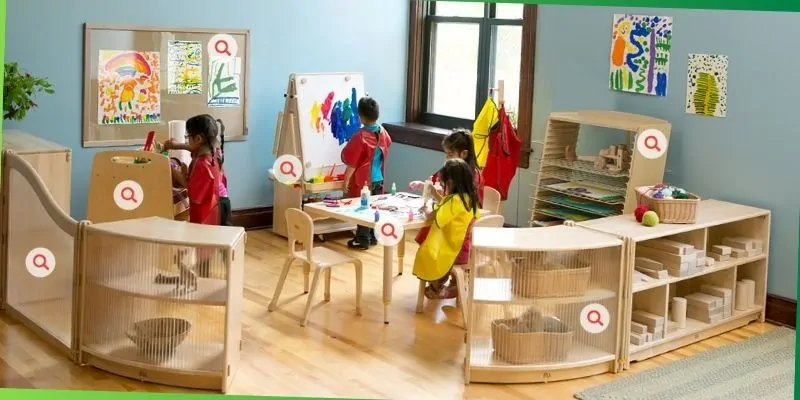
Creating a special space where your kids can explore their creativity is easier than you might think. Imagine having a dedicated spot at home where your children can paint, build, and craft without any mess worries.
Setting up a kids craft corner not only keeps things organized but also encourages your child’s imagination to soar. You’ll discover simple, practical steps to design a fun and functional craft area that fits your home and your child’s needs.
Ready to turn a small space into a world of creativity? Let’s get started!
Choose The Perfect Spot
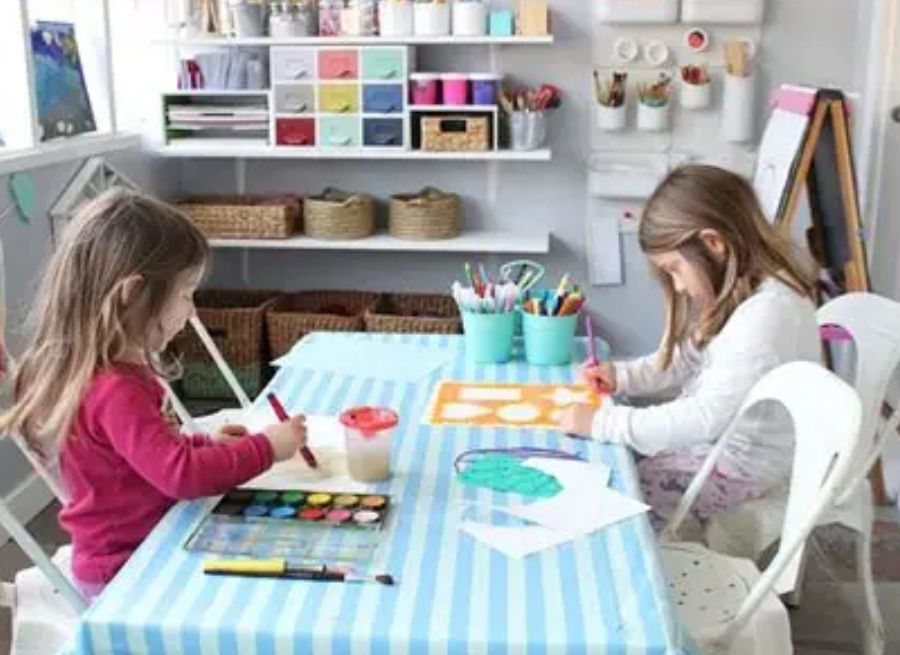
Choosing the perfect spot for your kids’ craft corner makes a big difference. The right place helps your child enjoy their creative time more. It also keeps the area safe and organized. Think about where your child can focus and have fun without distractions.
Consider Lighting And Space
Pick a spot with plenty of natural light. Sunlight helps your child see colors and details clearly. If natural light is limited, add a bright lamp. Make sure the space is big enough for craft supplies and activities. Your child needs room to spread out and create.
Ensure Easy Cleanup
Choose a place that is easy to clean. Floors that wipe well, like tile or wood, work best. Avoid carpeted areas to prevent stains and mess. Keep a small trash bin nearby to toss scraps quickly. This keeps the craft corner tidy and ready for the next project.
Keep It Accessible
Make sure your child can reach all supplies easily. Low shelves or bins work well for small hands. The craft corner should be in a place your child can visit anytime. This encourages independent creativity and builds good habits.
Select Kid-friendly Furniture
Selecting the right furniture is key to creating a fun and safe kids craft corner. Furniture should fit children’s sizes and needs. It must be sturdy and easy to clean. This helps kids feel comfortable and encourages creativity. The right furniture also keeps the space organized and clutter-free.
Use Child-sized Tables And Chairs
Choose tables and chairs made for children. Small furniture helps kids reach craft materials easily. It supports good posture and reduces strain. Lightweight tables and chairs make moving and cleaning simple. Pick smooth surfaces for easy wiping after messy projects. Bright colors or fun shapes can make the area inviting.
Incorporate Storage Solutions
Storage keeps the craft corner tidy and tools easy to find. Use shelves, bins, and boxes within children’s reach. Clear containers help kids see what’s inside. Label storage with pictures or words for quick access. Rolling carts or stackable bins save space and offer flexibility. Encourage kids to put away items after use.
Gather Essential Craft Supplies
Setting up a kids craft corner starts with gathering the right supplies. Having essential materials ready makes crafting fun and stress-free. Kids can explore their creativity freely with everything at hand.
Basic Art Materials
Start with paper, crayons, and markers. Add colored pencils and washable paints. Include glue sticks, safety scissors, and stickers. Keep yarn, pipe cleaners, and construction paper too. These basic items cover many craft ideas.
Safe And Non-toxic Options
Choose supplies labeled non-toxic. Avoid small parts for younger children. Pick washable markers and paints for easy cleanup. Safety matters to protect kids’ health. Always check labels before buying new materials.
Organize Supplies For Easy Access
Use clear bins or small baskets to group items. Label each container for quick finding. Store frequently used materials within reach. Keep sharp tools in a separate, safe spot. Organization saves time and keeps the area tidy.
Create Storage And Organization Systems
Creating a craft corner for kids means making a space that stays neat and easy to use. Storage and organization help keep supplies in order. This makes crafting fun and stress-free. Kids can find what they need quickly and put things away with ease. A good system saves time and keeps the area tidy.
Use Clear Bins And Labels
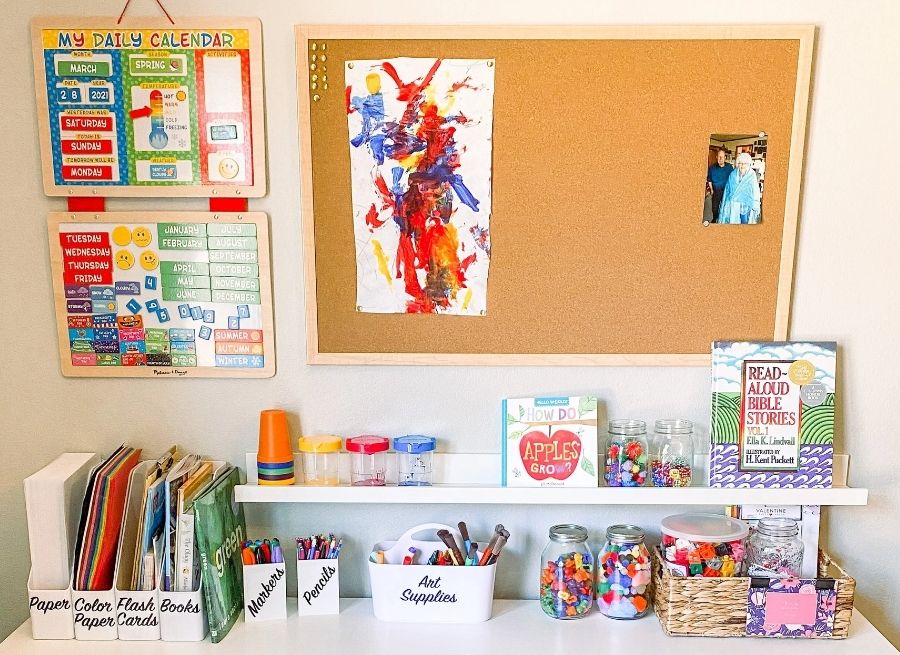
Clear bins let kids see what is inside without opening them. This reduces mess and confusion. Labels help identify supplies fast. Use simple words or pictures on labels. This helps younger kids find items on their own. Group similar items together, such as crayons, glue sticks, or paper. Clear bins stack easily and save space.
Incorporate Shelves And Drawers
Shelves and drawers provide easy access and keep things off the floor. Low shelves work well for kids to reach their materials. Drawers hide clutter and hold small items neatly. Use drawer dividers to separate tools like scissors and markers. Arrange shelves by craft type or project. This helps kids learn to organize and clean up quickly.
Add Inspiring Decor
Creating an inspiring craft corner helps children feel excited and creative. The right decor makes the space inviting and fun. Bright colors and personal touches encourage kids to enjoy their crafts more. This section explains how to add inspiring decor to your kid’s craft corner.
Display Kids’ Artwork
Showcase your child’s creations on the walls or shelves. Use frames, clipboards, or string with clothespins to hang their art. Changing the display often keeps the area fresh and motivating. Kids feel proud seeing their work featured. This builds confidence and inspires new ideas.
Use Bright Colors And Patterns
Choose bright and cheerful colors for the craft space. Paint the walls or add colorful rugs and cushions. Patterns like polka dots or stripes add energy to the corner. Bright colors stimulate creativity and joy. Keep the palette balanced to avoid overwhelming the senses.
Set Up Safety Measures
Setting up safety measures is the first step for a kids craft corner at home. It protects children while they explore their creativity. Safety keeps the area fun and worry-free for both kids and adults. Simple rules and smart choices make a big difference in avoiding accidents.
Choose Non-toxic Materials
Always pick art supplies labeled non-toxic. Look for crayons, markers, and paints safe for kids. Avoid materials with strong smells or harsh chemicals. These can cause allergies or harm if touched or swallowed. Non-toxic products keep the craft corner safe and healthy.
Secure Sharp Tools
Keep scissors, knives, and other sharp tools out of reach. Use child-safe scissors with rounded edges. Store sharper tools in locked drawers or high shelves. Teach kids how to use tools properly under adult supervision. This prevents cuts and injuries during crafts.
Maintain A Clean Environment
Clean the craft corner regularly to avoid germs and mess. Wipe down tables and chairs after each use. Store materials in closed containers to stop spills and dust. A tidy space helps children focus and lowers the risk of accidents.
Establish Crafting Rules
Setting clear crafting rules helps kids enjoy their craft corner safely. Rules guide behavior and keep the space neat. They teach kids responsibility and respect for materials. Crafting rules create a positive environment for fun and learning.
Encourage Creativity And Respect
Allow kids to explore ideas freely. Let them choose colors and materials. At the same time, teach respect for others’ work. No touching or changing projects without permission. Encourage sharing tools and space nicely. Respect helps everyone enjoy crafting time together.
Define Cleanup Responsibilities
Make cleanup part of the crafting routine. Assign simple tasks like putting away scissors or wiping tables. Show kids how to sort scraps and recycle. Help them understand why cleaning is important. Cleanup keeps the craft corner ready for the next project. It builds good habits and pride in their space.
Incorporate Learning Elements
Incorporating learning elements into a kids craft corner makes playtime valuable. Crafts become a way to explore new ideas and practice important skills. This approach helps children enjoy creating and gaining knowledge at the same time.
Simple changes can turn crafts into lessons about colors, shapes, numbers, and more. Kids stay curious and engaged while they work on fun projects. Learning becomes natural and exciting.
Introduce Themed Projects
Themed projects bring focus and meaning to crafting. Choose themes related to seasons, animals, or holidays. These themes teach children about the world around them.
For example, a project about animals can include facts about habitats. Kids learn while they draw, cut, and glue. Themes make crafts more interesting and educational.
Use Craft Time For Skill Building
Crafting helps develop many skills. Fine motor skills improve through cutting, painting, and gluing. These tasks strengthen hand-eye coordination and control.
Crafts also encourage problem-solving and creativity. Children plan their work and make decisions. They learn patience and focus, which are useful in school and life.
Make It A Fun Routine
Creating a kids craft corner is just the start. Making it a fun routine keeps children excited and eager to create. Regular craft time builds habits that nurture creativity and focus. Kids enjoy having a special time set aside just for making art.
Consistency is key. Craft sessions become moments kids look forward to every day or week. This helps them feel relaxed and confident in their creative space. Turning crafting into a routine makes it part of family life.
Schedule Regular Craft Sessions
Pick specific days and times for craft activities. Keep the schedule simple and easy to remember. For example, every Saturday morning or Wednesday afternoon. Use a calendar or chart to mark craft days.
Short sessions work best, about 30 to 45 minutes. Kids stay focused without getting tired. Regular sessions help children improve skills step by step. They learn to prepare materials and clean up after themselves.
Invite Friends And Family
Crafting is more fun with company. Invite friends or family members to join craft time. This makes the activity social and lively. Kids learn to share ideas and work together on projects.
Group crafting sparks new ideas and encourages teamwork. It also creates happy memories around creativity. Keep the group small for better focus and less chaos. Include siblings or neighbors for a cozy craft party feel.
Frequently Asked Questions
What Supplies Do I Need For A Kids Craft Corner?
Essential supplies include paper, glue, scissors, markers, and paint. Add storage bins for easy organization. Choose non-toxic, kid-safe materials to ensure safety and creativity.
How Do I Organize A Kids Craft Corner Effectively?
Use labeled bins or drawers to separate supplies by type. Keep frequently used items within reach. Regularly declutter to maintain a tidy and inviting space.
Where Is The Best Place To Set Up A Craft Corner?
Choose a well-lit, quiet area with enough space for projects. A corner in the living room or playroom works well. Ensure the surface is easy to clean.
How Can I Make A Craft Corner Safe For Kids?
Use child-friendly scissors and non-toxic materials. Secure heavy items and cover electrical outlets. Supervise younger children during craft activities to prevent accidents.
Conclusion
Creating a kids craft corner at home brings joy and learning together. It offers a special space for creativity and fun. Kids enjoy making art with their own supplies nearby. Parents see their children grow in confidence and skills. Keep the area tidy and stocked with safe materials.
Change the setup as kids grow and interests shift. A craft corner helps children express themselves in many ways. Try setting up your own space and watch creativity bloom. Simple steps lead to big smiles and happy memories.