Last Updated on August 3, 2026
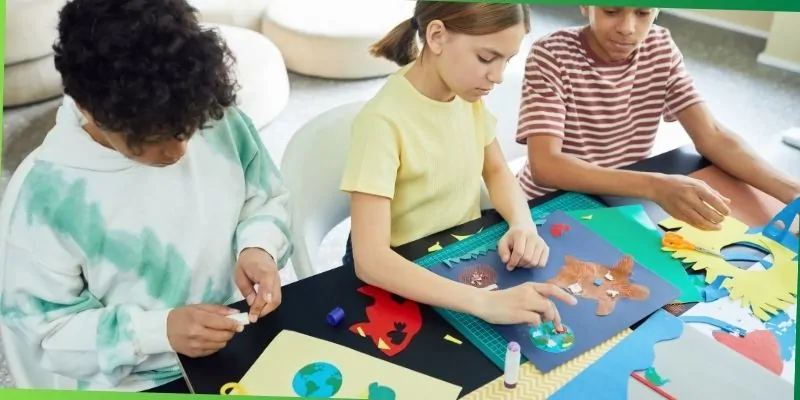
Are you looking for fun ways to help your kids learn while keeping them entertained? Creative art projects might be exactly what you need.
These activities not only spark your child’s imagination but also boost their thinking, problem-solving, and fine motor skills. Imagine your child excited to explore new ideas, all while developing important abilities that will help them succeed. Keep reading to discover easy and engaging art projects that make learning feel like play – you won’t want to miss these!
Benefits Of Art For Kids
Art helps children grow in many ways. It is more than just fun. Art projects teach kids new skills and help their minds and bodies develop. Through art, children learn to express themselves and think differently. The benefits of art in childhood last a lifetime.
Boosting Creativity
Art encourages kids to use their imagination. They create new ideas and explore different ways to express thoughts. This creative thinking helps in problem-solving and learning. Kids learn to see the world in fresh, exciting ways.
Enhancing Motor Skills
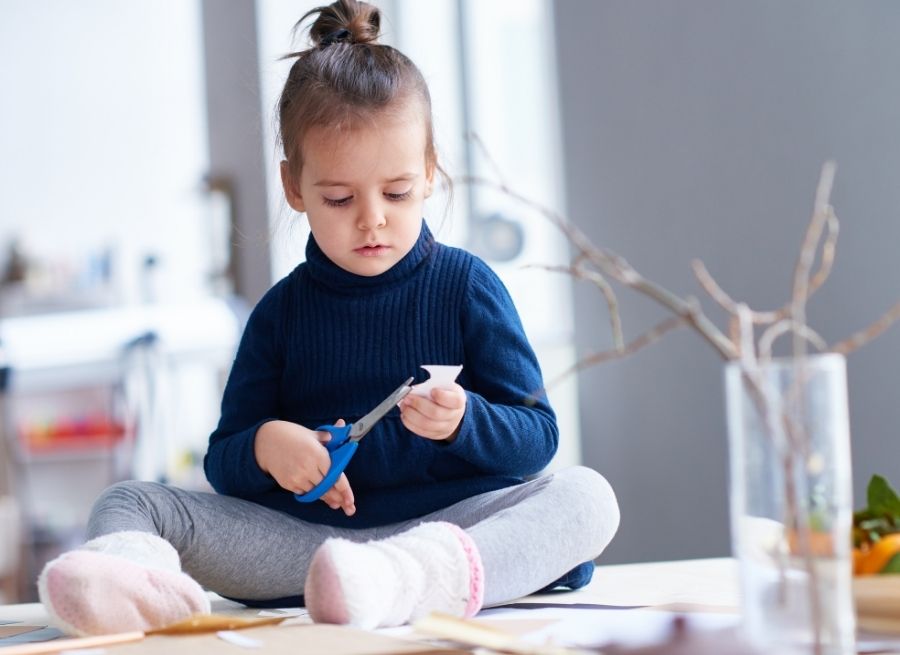
Art activities improve hand-eye coordination. Drawing, cutting, and painting help develop fine motor skills. These skills are important for writing and daily tasks. Art makes practice fun and natural for young children.
Building Confidence
Completing art projects gives kids a sense of pride. They feel good about their work and abilities. This boost in confidence helps in school and social life. Art shows children their unique talents matter.
Simple Art Projects For Beginners
Simple art projects are perfect for children just starting to explore creativity. These activities build confidence and develop basic skills. Kids enjoy hands-on learning while making colorful and fun creations. Art projects that are easy to follow help maintain focus and encourage imagination. Here are some simple art projects that beginners can try with ease.
Finger Painting Fun
Finger painting is a playful way for kids to learn colors and shapes. It lets children use their hands directly, making art feel natural. This activity improves motor skills and sensory awareness. Kids can mix colors and create patterns with simple tools or just their fingers. It’s a great way to express ideas without needing brushes or complicated supplies.
Collage Making
Collage making uses paper, fabric, and other materials to create a picture. This project teaches kids how to plan and arrange shapes. It encourages decision-making and creativity by combining different textures and colors. Children can cut and glue images from magazines or use scraps of paper. This activity develops fine motor skills and a sense of design.
Clay Modeling
Clay modeling offers a tactile experience that strengthens hand muscles. Kids can shape animals, objects, or abstract forms from soft clay. This project supports three-dimensional thinking and problem-solving. Clay is easy to mold and reshape, which helps kids experiment freely. It also helps improve patience and focus during the creative process.
Art Projects That Teach Science
Art projects can help children understand science clearly. They make learning fun and active. Kids see how science works with their own eyes. These projects improve thinking and curiosity.
Simple art activities can teach big science ideas. Kids learn about nature, chemistry, and light. These projects use materials found at home or school.
Creating Volcano Eruptions
This project shows how chemical reactions cause eruptions. Kids build a small volcano with clay or paper. Then, they mix baking soda and vinegar inside. The mix creates fizzing and bubbling, like lava flows.
Children learn about acids and bases. They see how gases push liquid out. This hands-on activity explains natural volcanoes in a fun way.
Exploring Plant Life With Leaf Prints
Leaf printing teaches kids about plants and their shapes. They collect leaves of different sizes and textures. Using paint, they press leaves on paper to make prints.
Kids observe leaf patterns and veins closely. This helps them understand how plants grow and breathe. It also shows the variety in nature’s designs.
Making Diy Rainbows
DIY rainbows explain how light splits into colors. Children use a glass of water and white paper. Sunlight or a flashlight shines through the water onto the paper.
They see colors appear, just like a real rainbow. This project teaches about light refraction and color spectrums. It turns science into a colorful experience.
Art Activities For Math Skills
Art activities can make learning math fun and easy for kids. These projects use creativity to teach important math skills. Kids learn shapes, patterns, and counting while creating art. Hands-on activities help children understand math better and stay interested.
Shape Sorting Collages
Shape sorting collages help kids recognize different shapes. Children cut out shapes from colored paper and glue them on a big sheet. They group circles, squares, triangles, and rectangles separately. This activity improves shape identification and sorting skills. It also teaches children about size and color differences.
Pattern Painting
Pattern painting lets kids explore repeating designs with paint. Children use brushes or stamps to create lines of colors or shapes. They repeat patterns like red-blue-red-blue or circle-square-circle-square. This activity strengthens pattern recognition and sequencing skills. Kids learn to predict what comes next in a series.
Counting With Beads
Counting with beads helps children practice numbers and counting. Kids thread beads onto strings, counting each one aloud. They can group beads by color or size while counting. This activity improves fine motor skills and number recognition. It also teaches basic addition and subtraction through bead grouping.
Storytelling Through Art
Storytelling through art helps children express their thoughts and feelings visually. It encourages imagination and improves communication skills. Kids learn to organize ideas and share stories in creative ways. Art makes stories come alive and keeps children interested in learning.
Comic Strip Creations
Comic strips let kids combine pictures and words to tell a story. They draw characters, add speech bubbles, and plan storylines. This activity boosts writing and drawing skills. It also helps children understand story sequence and cause and effect.
Puppet Making
Making puppets allows children to create characters they can control. Kids use materials like paper, fabric, and sticks to build puppets. This hands-on project improves fine motor skills and creativity. Puppets encourage kids to act out stories and practice speaking.
Illustrated Storybooks
Children write and illustrate their own storybooks. They think about the plot, characters, and settings. Drawing pictures for each page makes the story more vivid. This project strengthens writing, drawing, and storytelling skills all at once.
Using Recycled Materials
Using recycled materials in creative art projects helps kids learn while caring for the environment. These projects teach children to reuse items that would otherwise be thrown away. Kids develop problem-solving skills and explore new ways to create art.
Recycled materials also make art affordable and accessible. Children gain awareness about waste and sustainability. These activities encourage imagination and hands-on learning.
Bottle Cap Mosaics
Bottle cap mosaics are fun and colorful art projects. Kids collect different caps and arrange them to form patterns or pictures. This activity improves fine motor skills and color recognition. It also teaches patience and planning as children decide where to place each cap.
Cardboard Sculptures
Cardboard sculptures let kids build three-dimensional art from old boxes. They cut, fold, and glue pieces to create shapes and figures. This project boosts creativity and spatial thinking. It also allows children to experiment with structure and design using simple materials.
Paper Roll Crafts
Paper roll crafts use empty toilet paper or paper towel rolls. Kids can make animals, characters, or decorative items by painting and adding details. This craft enhances hand-eye coordination and encourages imaginative play. It is an easy way to reuse waste and make art at the same time.
Tips For Encouraging Art At Home
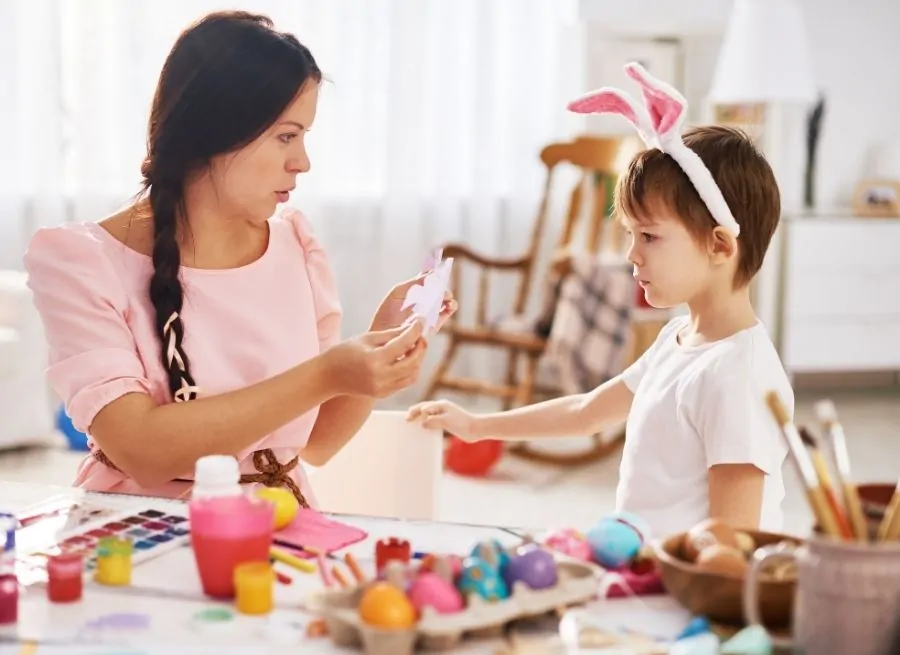
Encouraging children to create art at home helps their growth and learning. Art allows kids to express ideas and feelings in a fun way. Parents can support this by setting up spaces and choosing the right tools. Small steps make a big difference in building a child’s love for art.
Setting Up A Creative Space
Create a special area just for art projects. It can be a small table or corner in a room. Make sure it is easy to clean and safe. Keep materials organized and within reach. A dedicated space helps kids focus and feel excited to create.
Choosing Age-appropriate Supplies
Select art tools that fit your child’s age and skills. Younger kids need bigger crayons and washable paints. Older kids can use brushes, markers, and colored pencils. Using the right supplies helps kids enjoy art without frustration. It also keeps them safe and comfortable.
Celebrating Efforts And Progress
Praise your child’s hard work, not just the final art. Show interest by asking questions about their creation. Display their art on the fridge or walls. This makes kids feel proud and eager to try more. Celebrate small steps to build confidence and joy in art.
Frequently Asked Questions
What Are The Best Art Projects For Kids’ Learning?
The best art projects combine creativity with skill-building. Examples include painting, collage-making, and clay modeling. These activities enhance fine motor skills and encourage problem-solving.
How Do Art Projects Improve Children’s Cognitive Skills?
Art projects stimulate brain areas involved in thinking and memory. They help kids develop focus, spatial awareness, and decision-making. This boosts overall cognitive growth and creativity.
Can Art Projects Support Emotional Development In Kids?
Yes, art allows kids to express feelings safely. It promotes self-confidence and stress relief. Engaging in art helps children understand and manage their emotions better.
What Materials Are Ideal For Children’s Art Projects?
Safe, non-toxic materials like washable paints, crayons, and paper are ideal. These ensure fun and safety. Using diverse materials fosters sensory exploration and creativity.
Conclusion
Creative art projects help kids learn and grow every day. They make learning fun and easy to remember. Kids develop skills like thinking, problem-solving, and expressing themselves. Art also builds confidence and patience. Parents and teachers can use simple materials to create these projects.
The best part? Kids enjoy the process while learning important lessons. Try adding art to your child’s routine. Watch their creativity and knowledge bloom together. This approach brings joy and helps kids succeed in school and life.