Last Updated on July 31, 2024
Yes, you can eat pepperoncini while pregnant. These mild peppers are generally considered safe for pregnant women when eaten in moderation. However, it’s essential to consider individual tolerance and dietary restrictions, as pepperoncini contain capsaicin, which might cause heartburn or digestive issues in some individuals.
When it comes to pregnancy, diet plays a crucial role in ensuring the health and well-being of both the mother and the baby. One common question many expectant mothers have is whether it is safe to consume pepperoncini. These mild, tangy peppers are popular in many cuisines and can add flavor to various dishes. This article explores the safety, nutritional benefits, and potential risks of consuming pepperoncini during pregnancy.
What is Pepperoncini?
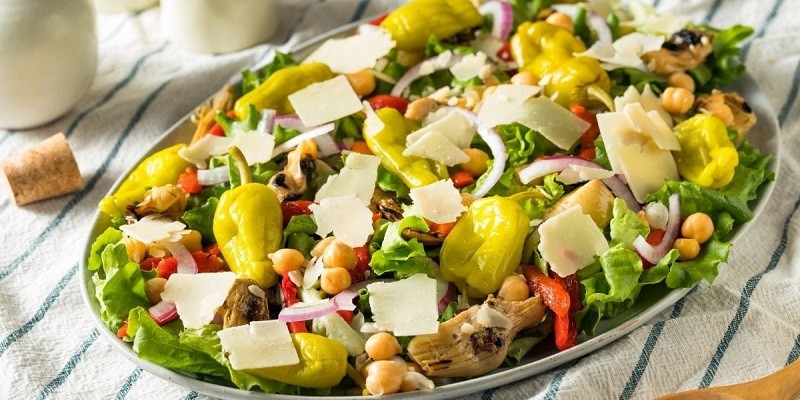
Pepperoncini are small, mild chili peppers belonging to the Capsicum annuum family. They are typically picked when still yellowish-green and pickled in brine to be eaten whole or sliced in salads, pizzas, and sandwiches. Known for its slightly sweet and mildly spicy flavor, pepperoncini is a staple in Italian and Greek cuisine, enhancing the taste profile of many traditional dishes.
Nutritional Value of Pepperoncini
| Nutritional Value | Details |
|---|---|
| Calories | Very low calorie, roughly 5 calories per pepper |
| Vitamin C | High in Vitamin C, important for tissue repair |
| Dietary Fiber | Contains fiber, which helps with digestion |
| Iron | Contains iron, essential for blood production |
| Antioxidants | Rich in antioxidants, helping to combat free radicals |
Risks of Eating Pepperoncini During Pregnancy
| Risks | Details |
|---|---|
| Heartburn | The capsaicin might cause heartburn or acid reflux |
| Digestive Issues | Can irritate the gut, leading to diarrhea or discomfort |
| Allergic Reactions | Possible allergic reactions in sensitive individuals |
| Sodium Intake | High sodium content in pickled varieties |
Safe Ways to Eating Pepperoncini During Pregnancy
If you enjoy pepperoncini and do not experience adverse reactions, consuming them in moderation during pregnancy is typically safe. To minimize any potential risks, opt for fresh or home-pickled pepperoncini where you can control the amount of salt and vinegar, reducing the overall sodium content.
Alternatives to Pepperoncini During Pregnancy
| Alternatives | Precautions |
|---|---|
| Bell Peppers | Offer similar crunch with more sweetness, less spice |
| Banana Peppers | Milder and sweeter, suitable for sensitive stomachs |
| Carrots | Provide a satisfying crunch without additional heat |
| Cucumbers | A refreshing alternative, great in salads |
Experts Tips
- Moderation is Key: “Pregnant women can enjoy pepperoncini, but in moderation to avoid gastrointestinal discomfort”.
- Watch for Allergies: “Be aware of any allergic reactions, particularly if you haven’t eaten pepperoncini before pregnancy”.
- Choose Fresh Over Pickled: “Opt for fresh pepperoncini to avoid excess sodium”.
FAQs
Can eating pepperoncini cause miscarriage?
Eating pepperoncini in moderation is safe and does not cause miscarriage. However, always consult your healthcare provider with specific concerns.
Are pepperoncini high in sodium?
Pickled pepperoncini can be high in sodium, so consider consuming fresh ones or those pickled at home with less salt.
Can I eat pepperoncini in the first trimester?
Yes, if you tolerate them well and have no history of severe gastrointestinal issues or allergies.
Does pepperoncini help with morning sickness?
The tangy taste may help some women with morning sickness, but it could also aggravate heartburn in others.
How can I include pepperoncini in my diet safely?
Include them as part of a balanced diet, preferably added to salads, sandwiches, or as part of a meal, rather than eating them alone.
Conclusion
Pepperoncini is a flavorful addition to a pregnancy diet if consumed responsibly. Their nutritional benefits can offer vitamins and antioxidants, but it’s important to be aware of their potential risks like heartburn and high sodium content. Consulting with a healthcare provider can provide personalized advice, ensuring both the safety and health of the mother and baby.