Last Updated on September 3, 2026
Looking for fun and simple ways to boost your preschooler’s learning at home? Educational craft activities are a perfect choice.
They keep your little one busy while helping develop important skills like creativity, fine motor control, and problem-solving. Imagine turning everyday moments into exciting learning experiences that your child will love. Ready to discover easy crafts that make learning playful and memorable?
Keep reading—you’ll find ideas that fit your schedule and spark your child’s imagination.
Benefits Of Craft Activities
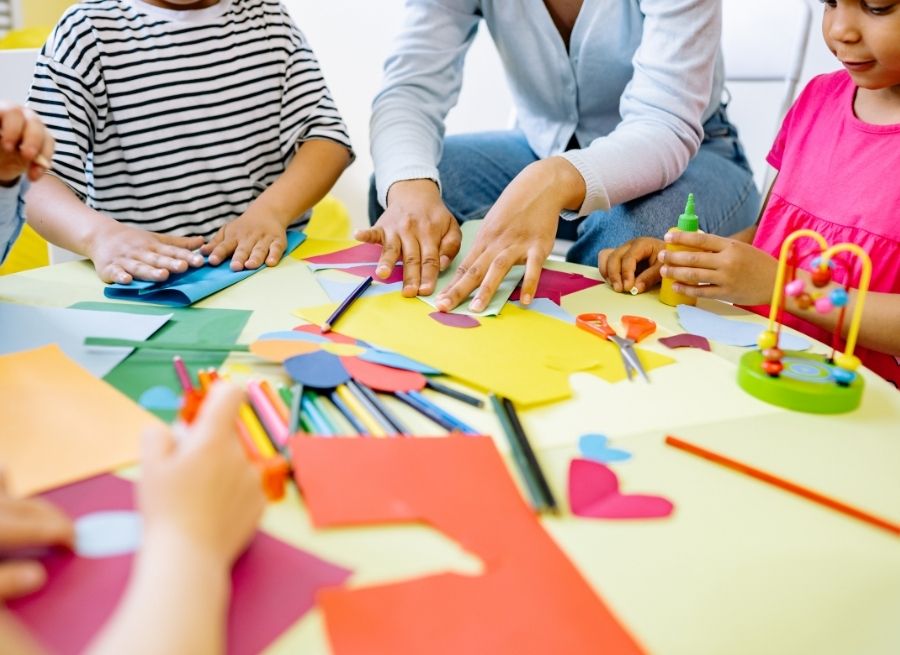
Craft activities offer many benefits for preschoolers. They support learning in fun and simple ways. These activities help children grow skills needed for school and daily life. Crafting also keeps kids busy and happy.
Enhancing Fine Motor Skills
Crafts improve small muscle control in hands and fingers. Cutting, gluing, and drawing help develop these muscles. Strong fine motor skills help children write and use tools easily. Practice through crafts builds hand-eye coordination.
Boosting Creativity And Imagination
Crafts encourage children to think in new ways. They use colors, shapes, and materials to create unique art. This sparks imagination and original ideas. Creative play helps children express their feelings and thoughts.
Encouraging Problem Solving
Crafting involves thinking and making choices. Children figure out how to join pieces or fix mistakes. They learn to plan and test ideas during activities. These problem-solving skills help in many areas of life.
Promoting Social Interaction
Group craft activities teach sharing and teamwork. Kids talk and help each other during projects. They practice listening and communicating their ideas. Social skills grow through fun, shared experiences.
Simple Craft Ideas
Simple craft ideas help preschoolers learn while having fun. These activities use basic materials that are easy to find. Kids can explore colors, shapes, and textures. They also develop fine motor skills and creativity. Crafts like these fit well into any daily routine. They keep children engaged and curious. Here are some easy craft projects perfect for young learners.
Paper Plate Animals
Paper plates become playful animals with a few cuts and colors. Paint the plate or cover it with colored paper. Add eyes, ears, and noses using construction paper or markers. Use yarn or paper strips for whiskers or manes. These crafts teach kids about animals and improve hand skills. They also encourage imagination and storytelling.
Handprint Art
Handprint art captures a child’s growth and creativity. Dip hands in paint and press onto paper. Turn prints into flowers, trees, or animals with added details. This activity strengthens hand muscles and coordination. It also creates keepsakes for families to treasure. Simple shapes and bright colors make this craft exciting for preschoolers.
Collage Creations
Collages use scraps of paper, fabric, or magazines to make pictures. Children cut or tear pieces and glue them on a base paper. This craft teaches shapes, colors, and textures. It also boosts fine motor skills and decision-making. Kids enjoy mixing materials and creating unique art. Collages spark creativity and self-expression in young minds.
Nature-inspired Crafts
Nature provides endless materials for crafts. Leaves, twigs, flowers, and stones become art supplies. Kids can glue leaves to create animals or arrange stones into patterns. These crafts connect children to the outdoors and nature’s beauty. They also develop observation skills and creativity. Nature crafts are simple, fun, and educational for preschoolers.
Seasonal Crafts
Seasonal crafts bring the changing year to life for preschoolers. They connect children with nature and teach about different seasons. These activities boost creativity and fine motor skills. Kids enjoy using colors and materials tied to each season. Seasonal crafts also build vocabulary and awareness of the world around them.
Spring Flower Projects
Spring crafts often focus on flowers and new growth. Children can make paper tulips or daffodils using colored paper. Painting with bright colors mimics blooming gardens. Using cotton balls and glue creates soft petals. Kids learn about plants and seasons as they create.
Summer Beach Themes
Summer crafts bring the beach indoors. Preschoolers use sand, shells, and blue paper to create scenes. Making paper plate suns or fish teaches about summer fun. These crafts encourage sensory play with sand or water. Children explore textures while making simple art.
Autumn Leaf Art
Autumn crafts celebrate falling leaves and warm colors. Kids collect real leaves or use cut-outs for leaf rubbings. Painting leaves with orange, red, and yellow shows fall colors well. Crafting leaf collages helps with sorting and matching skills. These projects teach about nature’s changes.
Winter Holiday Crafts
Winter crafts focus on holidays and snowy scenes. Children can make paper snowflakes with scissors and folding. Using cotton to create snowmen is fun and tactile. Decorating ornaments with simple shapes engages fine motor skills. These crafts introduce holiday traditions and winter themes.
Materials To Use
Choosing the right materials is key to fun and safe craft activities for preschoolers. Kids learn best when they can explore with hands-on supplies. The materials should be safe and easy to use. They should also inspire creativity and allow kids to try new things.
Craft supplies come in many forms. Some are made just for children. Others can be found around the house. It is important to pick items that are non-toxic and gentle on young skin. Eco-friendly and recycled materials help teach kids about caring for the planet.
Safe And Non-toxic Supplies
Always pick craft supplies labeled as safe for children. Non-toxic glue, paints, and markers protect kids from harmful chemicals. Look for products that meet safety standards. Avoid small parts that can cause choking hazards. Soft brushes and blunt scissors work well for little hands. These supplies let children create without risk.
Recycled And Eco-friendly Options
Use recycled paper, cardboard, and fabric scraps for crafts. These materials teach children about reusing and saving resources. Natural items like leaves, pinecones, and sticks add texture and color. Eco-friendly supplies reduce waste and pollution. They show kids how to respect nature while crafting.
Everyday Household Items
Many common household items make great craft materials. Old magazines, cotton balls, and buttons can spark creativity. Egg cartons, paper towel rolls, and bottle caps work well too. These items are easy to find and often free. Using household objects encourages kids to see value in simple things.
Craft Activities For Learning
Craft activities help preschoolers learn while having fun. These hands-on projects build skills in many areas. Kids use their hands and minds together. This helps them remember what they learn. Crafting also improves focus and creativity.
Simple crafts can teach important lessons. Colors, shapes, letters, and numbers become easy to understand. Children explore and discover through play. This makes learning natural and enjoyable.
Alphabet And Number Crafts
Crafts with letters and numbers help children recognize them. Kids make letters using paper, glue, or paint. They can create number collages or count objects. This practice improves memory and early reading skills.
Color Recognition Projects
Projects that focus on colors teach children to identify and name them. Children sort colored items or paint with different shades. These activities improve visual skills and vocabulary. Kids learn to match and compare colors too.
Shape Sorting Activities
Sorting shapes helps kids understand basic geometry. Children use cut-out shapes or blocks to group by shape. This develops problem-solving skills and hand-eye coordination. It also prepares them for math concepts later.
Science And Nature Experiments
Simple science projects spark curiosity and observation skills. Kids explore plants, water, or magnets through fun experiments. They learn how things work and change. These activities encourage questions and discovery in young minds.
Tips For Successful Craft Time
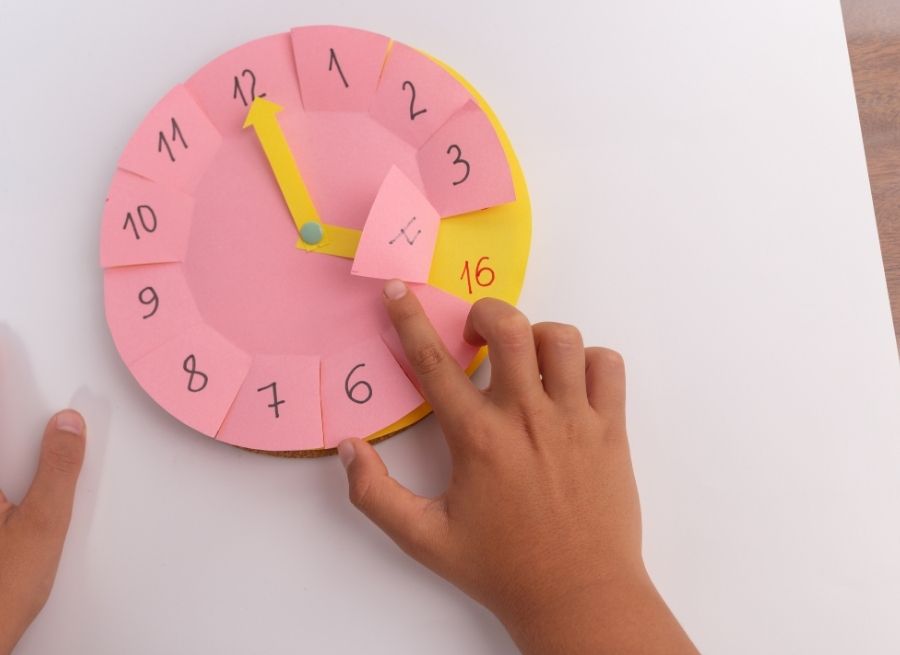
Craft time can be fun and full of learning for preschoolers. Success depends on good planning and simple strategies. These tips help make craft activities smooth and enjoyable. They also build skills and confidence in young children.
Setting Up A Creative Space
Choose a quiet and well-lit area for crafts. Use a low table or floor space kids can reach easily. Cover surfaces with newspaper or a plastic sheet to protect them. Keep all materials within children’s reach. This encourages exploration and creativity.
Encouraging Independence
Let children pick their own craft supplies. Show them how to use tools like scissors safely. Give simple instructions and allow them to try on their own. Praise their efforts to boost confidence. Independence helps kids feel proud and motivated.
Managing Mess And Clean-up
Expect some mess during craft time; it is part of learning. Provide aprons or old shirts to protect clothes. Keep wipes and paper towels nearby for quick spills. Teach children to clean their space after finishing. Make clean-up a fun, shared activity.
Adapting Crafts For Different Skill Levels
Offer simple and more challenging options for each craft. Use larger tools for beginners and smaller ones for advanced kids. Change tasks like cutting, gluing, or coloring to match skills. This keeps all children engaged and avoids frustration.
Frequently Asked Questions
What Are The Best Craft Activities For Preschoolers?
The best crafts for preschoolers include simple cutting, gluing, and painting projects. These activities improve fine motor skills and creativity. Use safe, non-toxic materials and themes related to nature, animals, or seasons. Keep projects short and fun to maintain their interest and focus.
How Do Craft Activities Support Preschool Learning?
Craft activities support preschool learning by developing hand-eye coordination and problem-solving skills. They encourage creativity, language development, and social interaction. Crafts also help children understand shapes, colors, and textures, reinforcing early academic concepts in a playful, engaging way.
What Materials Are Safe For Preschool Craft Projects?
Safe materials include child-friendly scissors, washable glue, non-toxic paints, and paper. Avoid small parts that pose choking hazards. Use natural items like leaves or sticks for added sensory experience. Always supervise children to ensure safe use and prevent accidents during crafting.
How Often Should Preschoolers Do Craft Activities?
Preschoolers benefit from craft activities two to three times a week. Regular crafting builds fine motor skills and creativity gradually. Short, frequent sessions keep children engaged and motivated. Balance craft time with other educational and physical activities for overall development.
Conclusion
Craft activities help preschoolers learn and grow every day. They improve fine motor skills and spark creativity. Kids explore colors, shapes, and textures through fun projects. These activities also build focus and patience in young learners. Parents and teachers can easily use simple materials at home or school.
Craft time creates joyful memories and encourages curiosity. Try different crafts to keep children interested and engaged. Every small project boosts a child’s confidence and skills. Keep crafting fun and educational for the best results.