Last Updated on September 3, 2026
Looking to transform your small family home’s garden into a beautiful and inviting space? You don’t need a big yard or expensive tools to create a cozy outdoor retreat.
With a few simple garden ideas, you can make your space more enjoyable, relaxing, and perfect for family time. Whether you want to grow fresh herbs, add colorful flowers, or create a comfy seating area, this guide has easy tips that anyone can follow.
Keep reading to discover how you can turn your small garden into a charming haven that you and your family will love.
Maximize Small Spaces
Small family homes often have limited garden space. Using every inch wisely can create a lovely outdoor area. Smart ideas help turn small gardens into cozy, green spots. Focus on smart design to make the garden feel bigger and useful.
Vertical Gardening Techniques
Grow plants up, not out. Use walls, fences, or trellises to hold pots and planters. This saves floor space and adds greenery at eye level. Choose climbing plants or herbs to hang vertically. Vertical gardens brighten small spaces without crowding.
Using Container Gardens
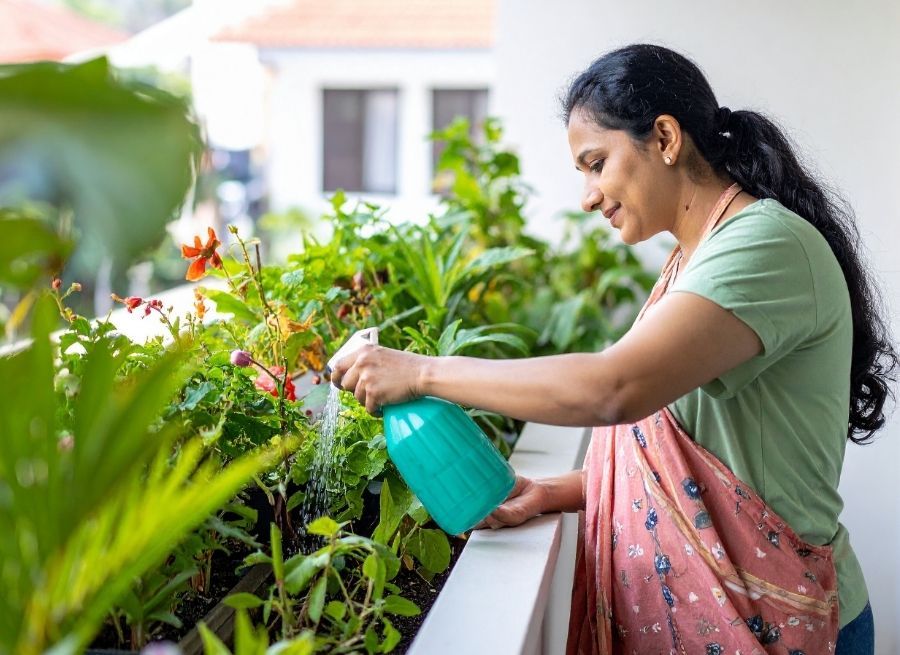
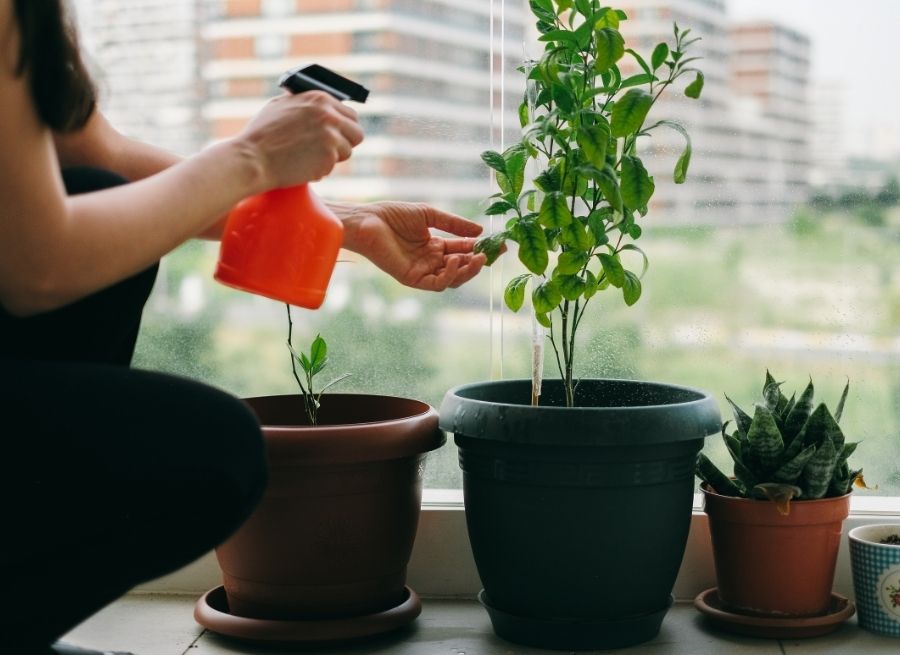
Containers fit anywhere. Place pots on patios, steps, or balconies. Move them around to catch sunlight or shade. Containers come in many sizes and shapes to suit any spot. Mix flowers and vegetables for beauty and food. This method keeps gardens neat and easy to manage.
Compact Furniture Choices
Pick small, foldable furniture to save space. Chairs and tables that fold or stack help clear the area. Use benches with storage to keep tools or cushions. Lightweight furniture can be moved quickly for events or weather changes. Compact furniture keeps the garden open and welcoming.
Choose Low-maintenance Plants
Choosing low-maintenance plants is smart for small family homes. These plants need less water and care. They save time and keep the garden neat. You can enjoy a green space without much work.
Picking the right plants helps your garden thrive. Choose plants that suit your climate and soil. This way, they grow well with little effort.
Drought-tolerant Varieties
Drought-tolerant plants survive with little water. They are perfect for busy families or dry areas. Succulents, lavender, and sedum are great choices. These plants store water in their leaves. They need watering only once in a while.
Drought-tolerant plants also resist heat and sun. They keep your garden looking fresh during hot days. These plants reduce water bills and save resources.
Native Plants For Easy Care
Native plants grow naturally in your region. They fit the local climate and soil well. This means less need for fertilizers or pesticides. Examples include coneflowers, black-eyed Susans, and milkweed.
Native plants attract birds and pollinators. They help keep your garden lively and healthy. These plants are tough and rarely get sick.
Evergreens For Year-round Green
Evergreens stay green all year long. They add color and life even in winter. Boxwoods, junipers, and hollies are popular evergreens. They require little pruning and stay neat.
Evergreens provide privacy and structure in small gardens. Their steady color creates a calm and inviting space. These plants keep your garden beautiful every season.
Create Functional Zones
Creating functional zones in a small garden helps make the space useful and enjoyable. Dividing the garden into clear areas allows each spot to serve a specific purpose. This approach maximizes the limited space in small family homes.
Each zone can focus on an activity like eating, relaxing, or playing. This way, everyone in the family can use the garden comfortably. Clear zones also make the garden look tidy and well-planned.
Outdoor Dining Areas
Set up a small table and chairs for outdoor meals. Choose foldable or stackable furniture to save space. Add a simple shade or umbrella for comfort during sunny days. Keep this area close to the kitchen for easy access. Use weather-resistant materials to ensure durability.
Relaxation Corners
Create a cozy spot with comfortable seating. Use cushions, small benches, or hammocks to add comfort. Surround the area with plants or a small fence for privacy. Soft lighting, like solar lamps, can make evenings pleasant. This zone offers a quiet place to unwind.
Play Spaces For Kids
Designate a safe area for children to play. Use soft ground cover like grass or rubber mats. Include simple toys or a small sandbox to keep kids engaged. Keep this zone visible from the house for supervision. This space helps children enjoy the garden safely.
Incorporate Smart Lighting
Smart lighting can change your small garden’s feel and function. It brightens paths, highlights plants, and sets a cozy mood. Using smart lighting saves energy and works with your daily routines. It can turn your garden into a warm, inviting space for family and guests.
Solar-powered Options
Solar lights use the sun’s energy. They are easy to install and cost less to run. No wires or outlets needed. Place them along walkways or near plants. Solar lights charge during the day. They glow softly at night, creating a natural look.
String Lights For Ambiance
String lights add charm and warmth. Hang them on fences or trees. They make your garden feel cozy and fun. Choose warm white or soft yellow bulbs. These lights work well for evening gatherings. Easy to set up and move around.
Spotlights For Highlighting Features
Spotlights draw attention to special spots. Use them to light up sculptures or flower beds. Focus the light to create shadows and depth. Spotlights add drama and style to your garden. Adjust them to change the look anytime.
Add Decorative Elements
Adding decorative elements transforms a small garden into a charming outdoor space. These touches bring personality and style. They make the garden more inviting and enjoyable. Choose items that fit your space and taste. Small details can create a big impact.
Garden Art And Sculptures
Garden art adds color and interest. Sculptures can be small or large, depending on space. Use weather-resistant materials like metal or stone. Place art pieces near plants or along walls. They create focal points that catch the eye. Choose shapes and themes that suit your garden style.
Water Features For Calm
Water features bring peace and calm to your garden. Small fountains or birdbaths fit well in limited spaces. The sound of running water soothes the mind. Water attracts birds and wildlife, adding life to the garden. Position the feature where you can see and hear it often.
Pathways And Pavers
Pathways guide visitors through your garden. Use pavers or stones to define these paths. They add structure and improve garden flow. Choose materials that match your home’s style. Paths also protect plants by keeping feet off soil. Simple paths can make a small garden feel larger.
Use Sustainable Practices
Using sustainable practices in your small garden helps save water and reduce waste. It also keeps your plants healthy without harmful chemicals. These simple methods support nature and make your garden eco-friendly.
Rainwater Harvesting
Collect rainwater to water your plants. Use barrels or containers to catch water from your roof. This saves tap water and lowers your water bill. Rainwater is natural and better for plants than treated water.
Composting Basics
Turn kitchen scraps and garden waste into nutrient-rich soil. Composting reduces garbage and feeds your plants naturally. Use a small bin or pile in a corner of your garden. Mix green waste like fruit peels with brown waste like dry leaves.
Organic Pest Control
Keep pests away without chemicals. Use natural options like neem oil, garlic spray, or insecticidal soap. Encourage beneficial insects such as ladybugs and spiders. They eat harmful bugs and protect your plants.
Frequently Asked Questions
What Are The Best Plants For Small Family Gardens?
Choose compact, low-maintenance plants like herbs, succulents, and dwarf shrubs. These fit well in limited space and require minimal care.
How Can I Maximize Space In A Small Garden?
Use vertical gardening techniques such as trellises and hanging planters. This increases growing area without crowding your garden floor.
What Are Simple Garden Ideas For Limited Budgets?
Focus on DIY projects like container gardening, recycled materials for planters, and seed propagation. These save money and bo
ost creativity.
How Do I Create A Kid-friendly Garden At Home?
Include safe, edible plants and soft pathways. Add interactive elements like small tools or sensory plants to engage children.
Conclusion
Creating a small garden can bring joy and peace to your home. Use simple ideas to save space and add beauty. Choose plants that fit your climate and needs. Add seating or small paths to enjoy your garden more. Even a few pots can brighten your outdoor area.
Gardening is a fun way to connect with nature daily. Start small, and watch your garden grow with care. Your small garden will become a lovely spot for family time.