Last Updated on January 15, 2025
Yes, you can eat oxtail while pregnant as long as it is thoroughly cooked to a safe internal temperature. Proper cooking ensures that any harmful bacteria or parasites are eliminated, making it safe for consumption during pregnancy.
Pregnancy often brings about numerous dietary concerns and questions about what is safe to eat. One such query is whether oxtail, a gelatin-rich meat commonly used in stews and soups, is safe for pregnant women. This article explores the safety, nutritional value, risks, and safe consumption methods of oxtail during pregnancy.
What is Oxtail?
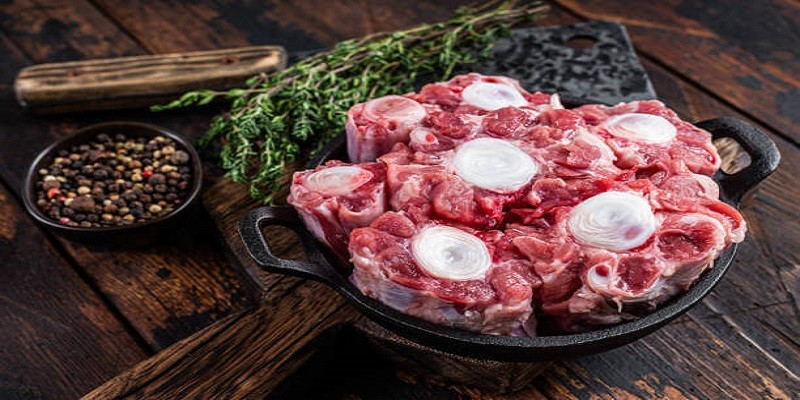
Oxtail is the culinary name for the tail of cattle. It is a gelatin-rich meat that is typically slow-cooked as a stew or braised to release its deep flavors. Oxtail is used in various traditional dishes across the globe, including soups, stews, and braised dishes, and is known for its rich, hearty taste.
Nutritional Value of Oxtail
Risks of Eating Oxtail During Pregnancy
Safe Ways to Eat Oxtail During Pregnancy
To safely consume oxtail during pregnancy, ensure it is cooked thoroughly to an internal temperature of at least 165°F (75°C). Slow cooking methods such as braising or stewing are ideal, as they ensure the meat is cooked evenly and thoroughly. Avoid consuming any undercooked or raw oxtail to minimize the risk of bacterial infections.
Alternatives to Oxtail During Pregnancy
| Alternatives | Precautions |
|---|---|
| Beef Shank | Ensure it is cooked thoroughly |
| Short Ribs | Cook using slow methods to ensure tenderness and safety |
| Veal Neck | Similar cooking methods as oxtail, ensure thorough cooking |
Experts Tips
- Cook Thoroughly: Always cook oxtail to an internal temperature of 165°F (75°C) to ensure safety (source: Sarah Remmer).
- Limit Fat Intake: Be mindful of the high-fat content in oxtail and balance it with other lean protein sources.
- Consult Your Doctor: Always consult with your healthcare provider before making any significant dietary changes during pregnancy (source: Unplanned Pregnancy).
FAQs
Can I eat oxtail soup while pregnant?
Yes, as long as the oxtail in the soup is thoroughly cooked to a safe internal temperature, it is safe to consume during pregnancy.
Is oxtail high in nutrients that are beneficial for pregnancy?
Oxtail is high in protein and iron, which are beneficial during pregnancy. However, it also contains high levels of fat and cholesterol, so it should be consumed in moderation.
Can I eat oxtail in a restaurant while pregnant?
Yes, but ensure that the restaurant follows proper cooking guidelines and that the oxtail is thoroughly cooked to avoid any risk of bacterial infection.
Are there any specific cooking methods recommended for oxtail during pregnancy?
Slow cooking methods such as braising or stewing are recommended as they ensure the meat is cooked thoroughly and evenly, reducing the risk of bacterial contamination.
What should I do if I accidentally eat undercooked oxtail while pregnant?
If you suspect you have eaten undercooked oxtail, monitor for any symptoms of foodborne illness and consult your healthcare provider immediately for advice.
Conclusion
Oxtail can be a nutritious and flavorful addition to your diet during pregnancy if cooked properly. It is rich in protein and iron but also high in fat and cholesterol, so moderation is key. Always ensure thorough cooking to avoid any potential risks and consult with your healthcare provider for personalized dietary advice.