Last Updated on July 31, 2024
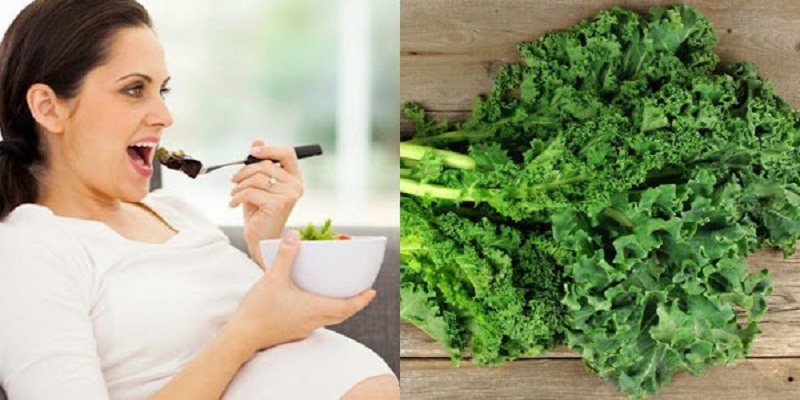
Yes. Kale is safe to consume during pregnancy. It is rich in essential nutrients beneficial for both the mother and the developing fetus, including vitamins A, C, and K, calcium, and iron. However, it should be eaten in moderation and washed thoroughly to avoid any potential health risks.
Kale is often touted as a superfood, and for good reason. Its nutrient-dense profile supports overall health and is particularly beneficial during pregnancy. However, like all foods, it is important to consider how it is prepared and consumed. This article explores the benefits and potential risks of eating kale while pregnant, ensuring expectant mothers can make informed dietary choices.
What is Kale?
Kale is a leafy green vegetable known for its nutritional benefits and culinary versatility. It belongs to the cabbage family and comes in several varieties, including curly, dinosaur, and red Russian kale. Recognized for its rich, earthy flavor, kale can be used in salads, smoothies, soups, and as a cooked side dish. Its resilience in colder climates makes it a staple in many gardens and kitchens worldwide.
Nutritional Value of Kale
| Nutritional Value | Details |
|---|---|
| Vitamins | High in vitamins A, C, K, and several B vitamins |
| Minerals | Rich in calcium, potassium, magnesium, and iron |
| Fiber | Contains dietary fiber which aids in digestion and prevents constipation |
| Antioxidants | Offers antioxidants such as quercetin and kaempferol |
| Low in Calories | Very low in calories, making it a nutrient-dense food choice |
Risks of Eating Kale During Pregnancy
| Risks | Details |
|---|---|
| Pesticide Residue | Kale can have high levels of pesticide residue; always choose organic where possible |
| Heavy Metals | Contains thallium and cesium, which are harmful in large quantities |
| Vitamin K Overload | High in vitamin K, which can interfere with blood-thinning medications |
| Digestive Issues | Can cause bloating or gas in some individuals |
Safe Ways to Eating Kale During Pregnancy
To safely incorporate kale into your pregnancy diet, it is crucial to wash it thoroughly to remove any pesticide residues or contaminants. Steaming or cooking kale can also help reduce any potential heavy metals and make it easier to digest, reducing the risk of gas and bloating. Always balance your diet with a variety of vegetables to avoid excessive intake of any single nutrient.
Alternatives to Kale During Pregnancy
| Alternatives | Precautions |
|---|---|
| Spinach | Choose organic to avoid pesticides, rich in similar nutrients |
| Broccoli | High in fiber, vitamins C and K, ensure it is thoroughly cooked |
| Swiss Chard | Contains similar nutrients, wash thoroughly before use |
| Arugula | Lower in vitamin K, use as a milder alternative in salads |
| Collard Greens | Similar nutritional profile, cook well to reduce potential toxins |
Expert Tips
- Moderation is Key: “Pregnant women should eat kale in moderation to avoid excessive vitamin K”.
- Diversity in Diet: “Incorporate a variety of vegetables to ensure a balanced intake of nutrients”.
- Proper Preparation: “Always wash and cook kale thoroughly to minimize health risks”.
FAQs
Can eating kale improve fetal development?
Yes, kale’s rich vitamin and mineral content can support healthy fetal development, particularly in brain and bone health.
Is raw kale safe during pregnancy?
While raw kale is generally safe, it’s best consumed washed and in moderation due to potential pesticide residues.
How often can I eat kale during pregnancy?
Eating kale 2-3 times a week allows you to benefit from its nutrients while minimizing any risks.
Can kale cause constipation during pregnancy?
Kale is high in fiber, which typically helps alleviate constipation, but its cruciferous nature might cause gas if overeaten.
Are there any kale supplements recommended for pregnancy?
Whole foods are preferable during pregnancy, but consult your doctor before starting any supplements.
Conclusion
Eating kale during pregnancy offers numerous health benefits due to its high nutrient content. However, it’s important to handle it properly and consume it in moderation to avoid any potential risks. By following safe preparation practices and incorporating a variety of foods into your diet, you can enjoy the advantages of kale while keeping yourself and your baby healthy.