Last Updated on May 23, 2024
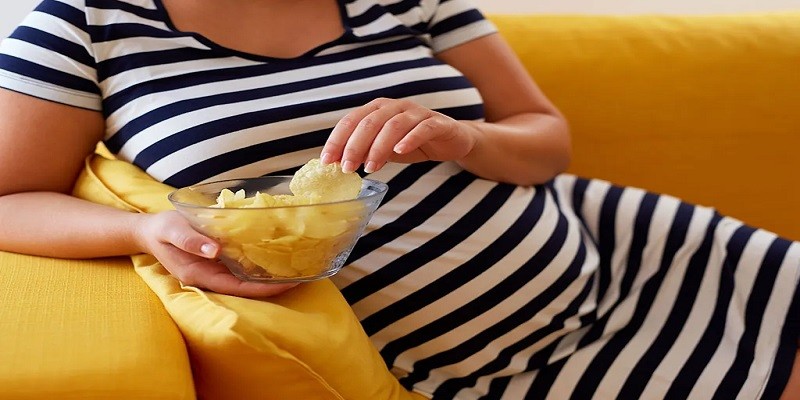
No, it is not recommended to eat hot chips frequently during pregnancy due to the high fat, salt, and calorie content which can lead to weight gain and other health issues. However, occasional consumption in moderation is generally safe if you have no other complications.
Pregnancy cravings for salty and spicy foods are common due to hormonal changes. While it’s okay to indulge occasionally, it’s important to be mindful of portion sizes and overall nutritional intake to support a healthy pregnancy.
What is Hot Chips?
Hot chips, also known as french fries, are a popular snack made by cutting potatoes into long strips, frying them in oil until crispy, and seasoning with salt. They are high in calories, fat, and sodium.
Nutritional Value of Hot Chips
Risks of Eating Hot Chips During Pregnancy
Safe Ways to Eating Hot Chips During Pregnancy
If you do choose to eat hot chips occasionally, opt for baked varieties, limit portions, and drink plenty of water. Avoid dipping in high-fat sauces. Listen to your body and stop eating if you experience discomfort.
Alternatives to Hot Chips During Pregnancy
Expert Tips
- “Eat a variety of nutrient-dense foods like fruits, vegetables, whole grains, lean proteins, and healthy fats to meet your increased nutritional needs during pregnancy.” (Source).
- “Stay hydrated by drinking plenty of water throughout the day.” (Source).
- “Consult with your healthcare provider if you have any concerns about your diet or cravings during pregnancy.” (Source).
FAQs
Can eating hot chips cause miscarriage?
No, occasional consumption is unlikely to cause miscarriage, but a poor diet high in unhealthy fats and refined carbs may increase the risk of complications.
Can hot chips cause birth defects?
There is no direct link between eating hot chips and birth defects. However, a diet lacking in essential nutrients during early pregnancy may increase the risk of neural tube defects.
Can hot chips cause gestational diabetes?
While hot chips alone are unlikely to cause gestational diabetes, a diet high in refined carbs and lacking in fiber may contribute to insulin resistance and elevated blood sugar levels.
Can hot chips cause preeclampsia?
There is no evidence that eating hot chips increases the risk of preeclampsia. However, a diet high in processed foods and low in fruits, vegetables, and whole grains may be a risk factor.
Can hot chips cause preterm labor?
Eating hot chips is unlikely to directly cause preterm labor. However, excessive weight gain and poor nutrition during pregnancy may be associated with an increased risk of preterm birth.
Conclusion
While occasional consumption of hot chips during pregnancy is generally safe, it’s important to be mindful of portion sizes and overall nutritional intake. Focus on a balanced diet rich in whole, nutrient-dense foods to support a healthy pregnancy and minimize potential risks associated with a diet high in unhealthy fats, refined carbs, and sodium.