Last Updated on May 29, 2024
No, it is generally not recommended for pregnant women to eat chitterlings due to the risk of foodborne illnesses such as yersiniosis, which can be harmful to both the mother and the unborn baby.
Chitterlings, also known as chitlins, are a traditional dish made from pig intestines. While they hold cultural significance and are enjoyed by many, pregnant women need to be cautious about consuming them. This article explores the safety, nutritional value, risks, and safe consumption methods of chitterlings during pregnancy.
What is Chitterlings?
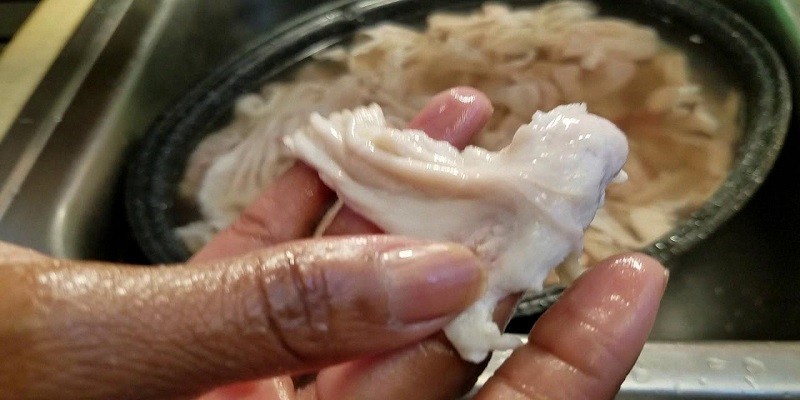
Chitterlings, commonly referred to as chitlins, are the large intestines of pigs that are cleaned, boiled, and often fried or simmered. This dish is popular in Southern U.S. cuisine and has a rich cultural history. Despite their unique taste and texture, chitterlings require careful preparation to ensure they are safe to eat.
Nutritional Value of Chitterlings
Risks of Eating Chitterlings During Pregnancy
Safe Ways to Eating Chitterlings During Pregnancy
To safely consume chitterlings during pregnancy, it is crucial to follow strict preparation guidelines. Boil raw chitterlings for at least 5 minutes before cleaning to reduce bacterial contamination. Ensure they are thoroughly cooked until tender before eating. Always refrigerate or freeze leftovers promptly to prevent bacterial growth.
Alternatives to Chitterlings During Pregnancy
Experts Tips
- Buy Pre-cooked Chitterlings: Opt for pre-cooked chitterlings to minimize the risk of contamination.
- Thorough Cleaning: If preparing raw chitterlings, boil them first and clean thoroughly to reduce bacterial risks (source: Food Safety News).
- Avoid Cross-Contamination: Use separate utensils and surfaces for raw chitterlings to prevent spreading bacteria (source: The Doc’s Kitchen).
FAQs
Can chitterlings cause food poisoning during pregnancy?
Yes, chitterlings can cause food poisoning due to bacteria like Yersinia enterocolitica, which can be particularly harmful during pregnancy.
How should chitterlings be prepared to be safe for pregnant women?
Boil raw chitterlings for at least 5 minutes before cleaning and cook thoroughly until tender. Avoid tasting them until fully cooked.
Are there any nutritional benefits of eating chitterlings during pregnancy?
Chitterlings provide protein, selenium, and zinc, but the risks often outweigh the benefits during pregnancy.
What are the symptoms of yersiniosis from eating contaminated chitterlings?
Symptoms include diarrhea, abdominal pain, fever, and sometimes vomiting. Pregnant women should seek medical attention if they experience these symptoms.
Can I eat chitterlings if they are pre-cooked and reheated?
Pre-cooked chitterlings are safer, but they should still be reheated to a safe internal temperature to ensure any remaining bacteria are killed.
Conclusion
While chitterlings offer nutritional benefits, the risks associated with consuming them during pregnancy are significant. Pregnant women should exercise caution and follow strict preparation guidelines if they choose to eat chitterlings. Opting for safer protein alternatives and adhering to food safety practices can help protect both mother and baby.